

Image: BBC World
Egypt orders early closures for shops and restaurants amid soaring energy prices linked to the Iran conflict. What does this mean for the economy?
GlipzoIn a significant response to a burgeoning energy crisis, shops, restaurants, and cafes across Egypt have been mandated to close their doors by 9 PM local time (7 PM GMT) for the next month, commencing this Saturday. This decision comes as the nation grapples with escalating energy prices, largely attributed to the ongoing conflict in Iran and the blockade of the Strait of Hormuz, a crucial artery for oil and liquefied natural gas shipments.
The Egyptian government has introduced a series of temporary measures termed as "exceptional," aimed at curbing energy consumption. These include not only early closing times for retail and dining establishments but also dimming street lights and reducing roadside advertising. Additionally, many employees will transition to remote work for one day a week starting in April, as part of the government's strategy to mitigate the crisis.
Egypt, while not directly involved in the Iranian conflict, finds itself highly susceptible to the economic fallout due to its reliance on imported fuel. The effective blockade of the Strait of Hormuz has led to a dramatic increase in global oil prices, with Egypt's petrol bill reportedly soaring from $1.2 billion in January to $2.5 billion in March, as disclosed by Prime Minister Mostafa Madbouly.
The ramifications of this energy crisis extend beyond retail and dining sectors. Tourism, a vital component of the Egyptian economy, will be exempt from these energy-saving measures. Approximately 10% of Egypt's GDP is generated from tourism, and the government aims to protect this sector from further strain. However, several prominent hotels in Cairo, including the Marriott and Cosmopolitan, have proactively acquired generators to ensure that their restaurants can remain open for guests, regardless of the early closure mandate.
While most employees will be directed to work from home one day each week, essential services such as hospitals, schools, and factories will be exempt from this rule. This measure is designed to ensure that critical services remain operational despite the energy constraints.
Since the onset of hostilities in Iran, international shipping through the Strait of Hormuz has drastically decreased. This narrow waterway typically accounts for about 20% of the world’s oil and gas supply, making its blockade a significant factor affecting global energy markets. In light of these developments, US President Donald Trump has voiced his frustrations regarding the lack of allied support for escorting ships through the strait, further complicating the situation.
As Egypt grapples with rising energy costs, the government has already adjusted petrol prices and increased public transport fares in an attempt to cushion the economic impact. Moreover, plans are underway to slow down large, energy-intensive state projects and to reduce fuel allowances for government vehicles by nearly a third, signaling a broader strategy to conserve resources.
In a parallel development, the Ethiopian government has directed state-owned companies and public institutions to place non-essential staff on leave to conserve fuel, illustrating that the energy crisis is not limited to Egypt alone but is impacting multiple nations in the region.
The situation in Egypt highlights the delicate balance between energy dependency and geopolitical conflicts. With the ongoing crisis showing no signs of abating, the Egyptian government faces the challenge of maintaining economic stability while ensuring that essential services are not jeopardized. The measures enacted reflect a critical need to manage resources efficiently in the face of rising costs and limited supplies.
Looking ahead, observers will be keen to monitor how the Egyptian government navigates this crisis and what additional steps might be taken if the situation worsens. The potential for further increases in energy prices could have a cascading effect on the prices of essential goods such as food and medicine, impacting the daily lives of ordinary Egyptians.
In summary, Egypt's early closure policy is just one element of a broader strategy to address an escalating energy crisis that is deeply intertwined with geopolitical tensions. The coming weeks will be crucial as both the government and the public adapt to these challenging circumstances, and global developments in the Strait of Hormuz will continue to influence Egypt's economic landscape.
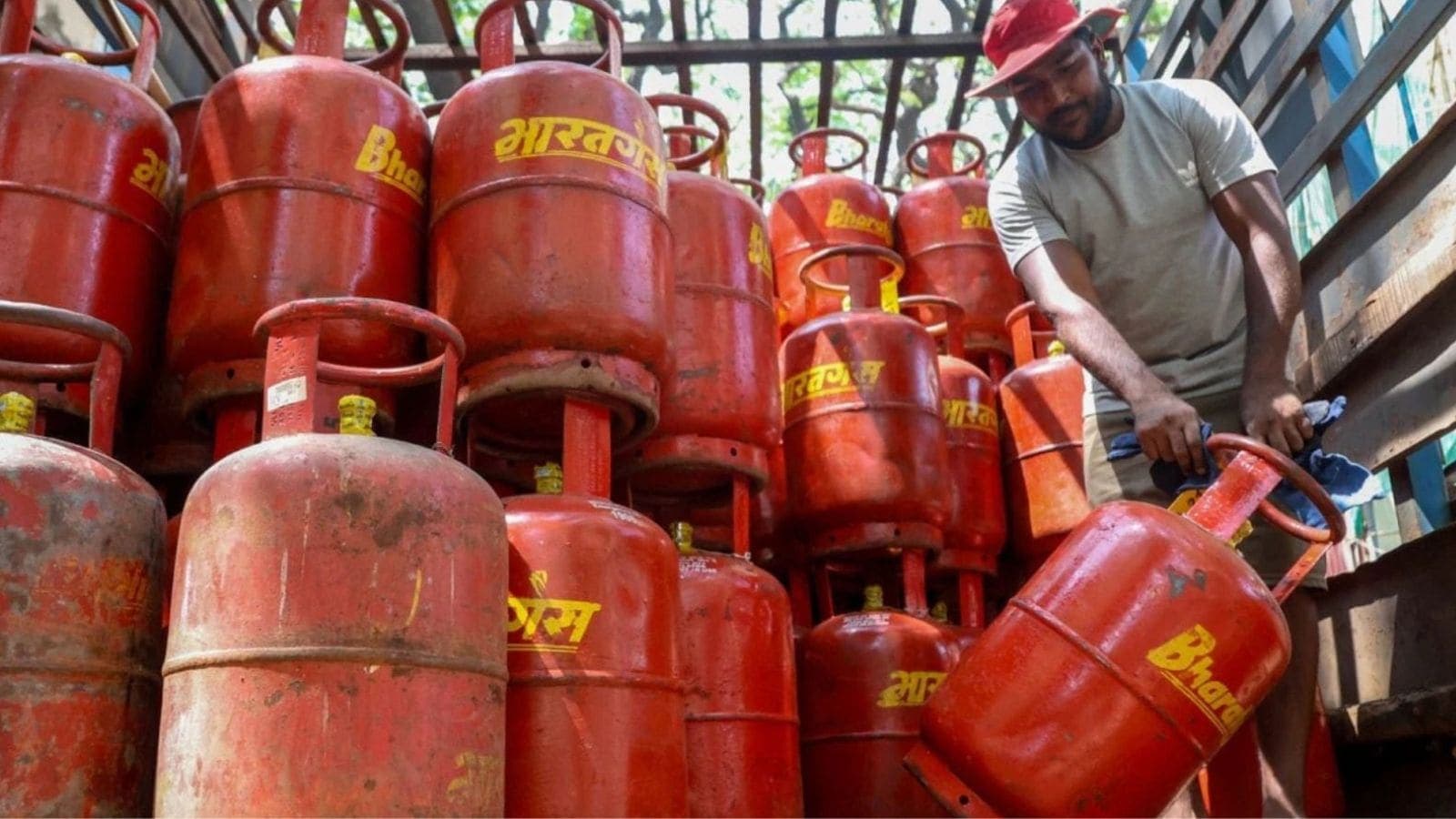
Commercial LPG prices have risen again, with increases of ₹42 in Delhi and ₹53.50 in Kolkata impacting businesses and consumers alike. Find out more.
Indian Express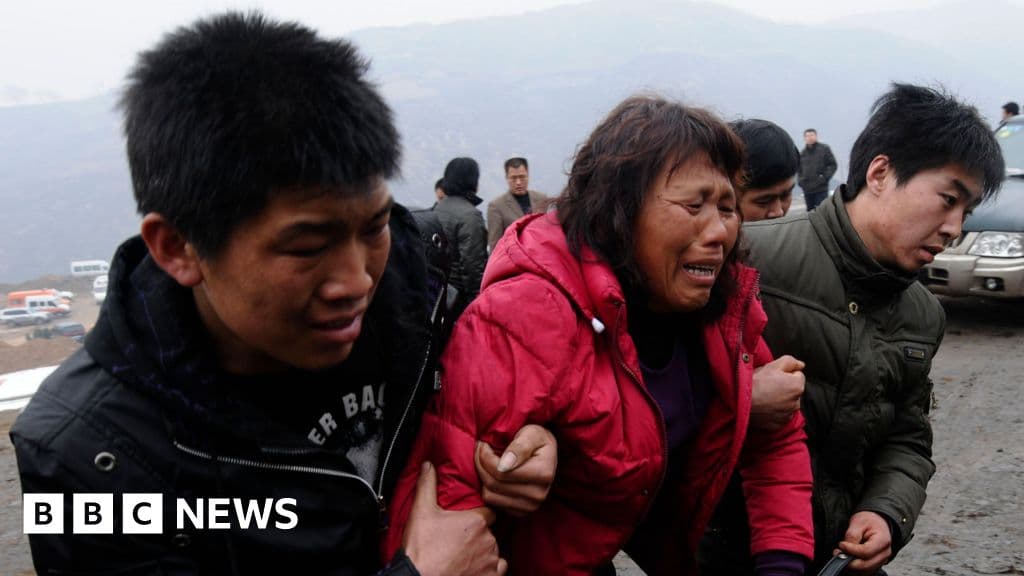
Discover how a tragic coal mine explosion in Shanxi, China, reveals ongoing safety concerns in the industry amidst a push for green energy.
BBC Business
Montek Singh Ahluwalia highlights key economic challenges for India, emphasizing the need for a strategic approach to balance payments and investment.
Indian Express