
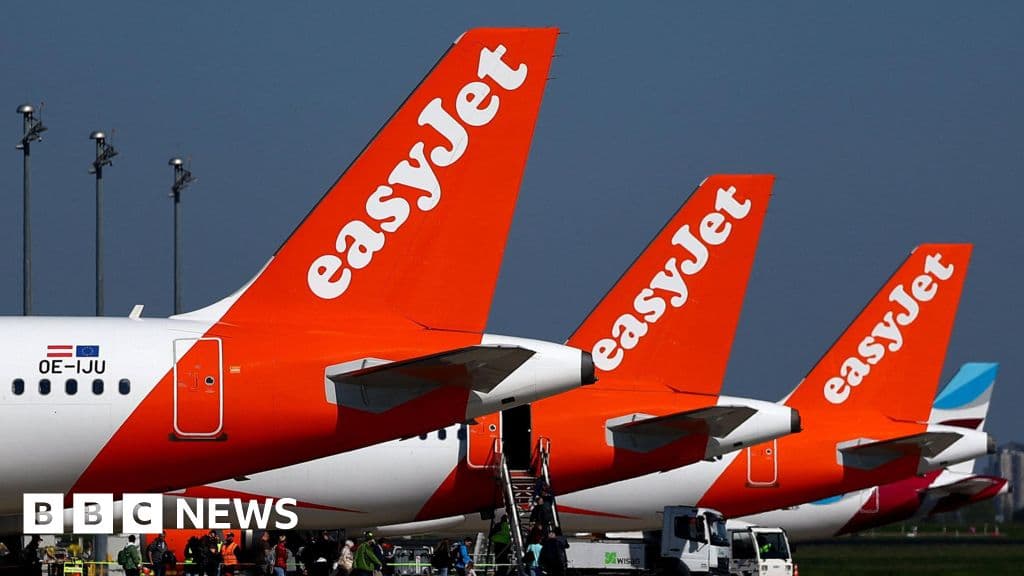
Image: BBC Business
EasyJet's CEO reassures travelers about jet fuel supply as summer approaches, despite rising fuel prices amid geopolitical tensions. Book now with confidence!
GlipzoIn a bid to quell rising anxieties regarding potential jet fuel shortages this summer, EasyJet's CEO Kenton Jarvis has assured travelers that the airline is well-equipped to handle its fuel supply needs. Speaking to the BBC, Jarvis emphasized that there is no cause for concern, stating, “We’ve seen absolutely no issues with fuel supply in any of our airports.” This announcement comes amid heightened tensions in the Middle East, particularly due to the ongoing conflict in Iran, which has significantly impacted global fuel prices.
As tensions in the region escalate, the Strait of Hormuz, a vital artery for oil transport, has effectively become a blockade, causing jet fuel prices to nearly double. Despite these challenges, Jarvis has advised travelers to book their flights with confidence, noting that EasyJet maintains close contact with fuel suppliers and relevant authorities, and they have reported no impending issues.
The uncertainty stemming from the Iranian conflict has influenced consumer behavior, leading to a noticeable shift in booking patterns. Jarvis observed a trend towards a shortened booking window, where customers are increasingly opting to book flights closer to their departure dates. This shift reflects a more cautious approach to travel amid geopolitical uncertainties.
In light of these changing consumer habits, travel agencies have reported a robust demand for immediate travel options. The Advantage Travel Partnership noted that while consumers are hesitant to commit to future travel, there is still a strong appetite for vacations in the short term. This resilience indicates that despite uncertainties, many travelers are eager to explore.
Despite the encouraging booking trends, EasyJet recently reported a significant pre-tax loss of £552 million for the first half of the year, which is typical for airlines during the winter season. With summer approaching, the airline is hopeful to rebound and capitalize on peak travel times, yet they remain cautious about the potential impacts of rising fuel costs and fluctuating demand.
Jarvis highlighted that while the airline expects strong performance in the summer, challenges remain due to increased fuel expenses, which have grown substantially as a direct consequence of the geopolitical climate. In March alone, the war in Iran added an estimated £25 million to EasyJet’s fuel expenses.
Amidst the crisis, EasyJet has taken steps to mitigate fuel cost impacts by hedging a significant portion of its fuel supply. Currently, they have secured 72% of their fuel supply for the upcoming summer months at prices established before the onset of the Iranian conflict. However, this percentage decreases to 53% for the following winter season, indicating a strategy to navigate through potential volatility.
Analysts are weighing in on the situation as well. Aarin Chiekrie, an equity analyst at Hargreaves Lansdown, remarked that EasyJet is particularly vulnerable to fluctuations in fuel prices. He warns that even if the geopolitical tensions ease, elevated fuel prices are likely to persist, potentially straining the airline's profitability.
The implications of EasyJet's situation extend beyond just one airline; they reflect the broader challenges facing the aviation industry as geopolitical tensions continue to affect global markets. Travelers and investors alike are watching closely as airlines navigate through these turbulent waters, focusing on how quickly they can rebound from the financial strain caused by rising operational costs.
As summer approaches, the travel industry is at a crucial juncture. Airlines will need to adapt to shifting consumer behavior and rising costs while ensuring they meet the demand for travel. EasyJet's approach offers a glimpse into how airlines might balance these competing pressures. The next few months will be critical in determining how successful airlines will be in managing these challenges and retaining customer confidence in the face of uncertainty.
In conclusion, as EasyJet prepares for the summer travel season, the key areas to watch include: - Consumer booking patterns as travelers respond to ongoing geopolitical developments. - Fuel price trends and their impact on operational costs and profitability. - Airline strategies to adapt to changes in demand and mitigate risks associated with fuel supply disruptions.
The resilience of the travel market will ultimately be tested as airlines like EasyJet navigate these complexities, paving the way for either recovery or further challenges ahead.
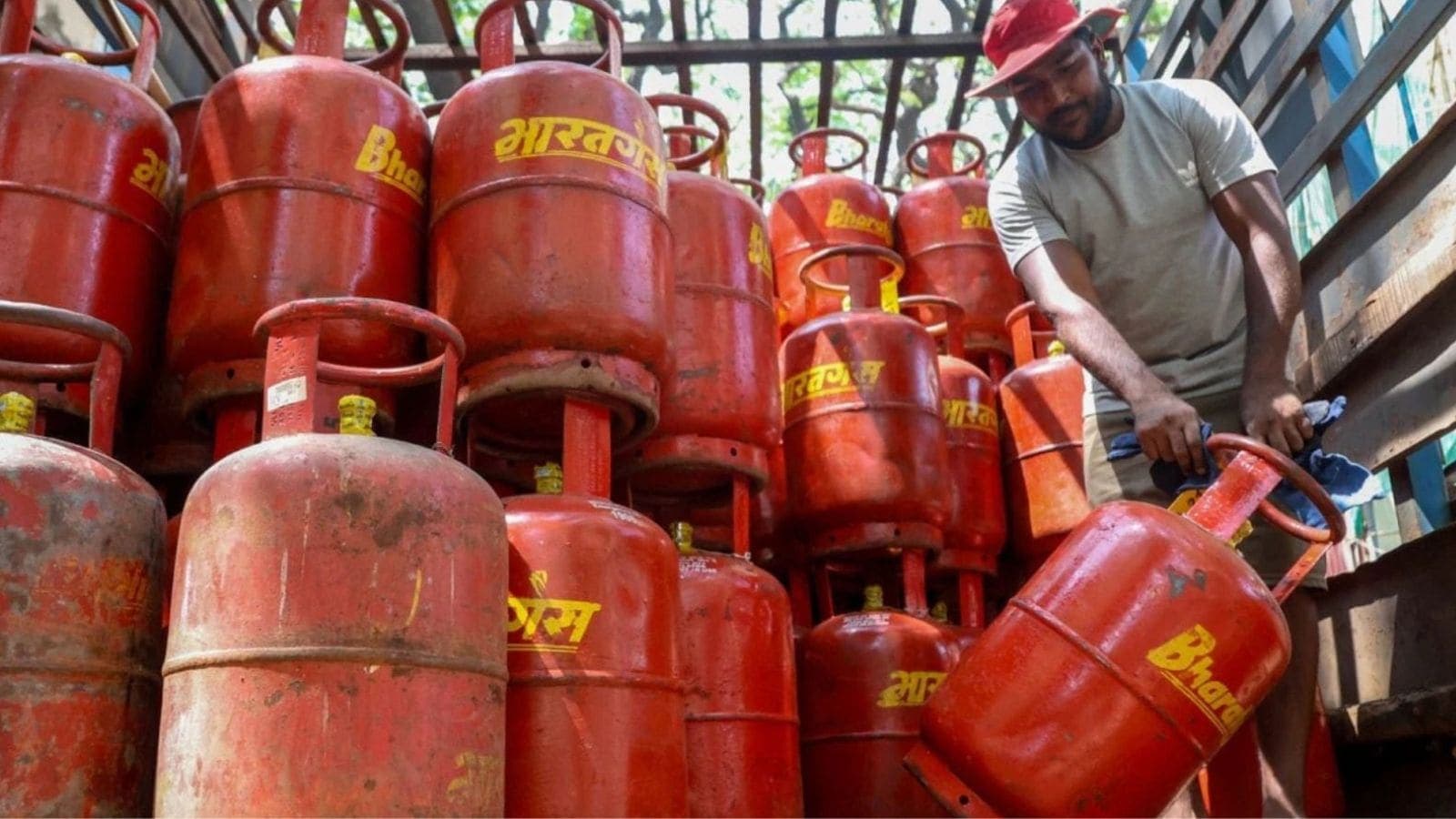
Commercial LPG prices have risen again, with increases of ₹42 in Delhi and ₹53.50 in Kolkata impacting businesses and consumers alike. Find out more.
Indian Express
Discover how a tragic coal mine explosion in Shanxi, China, reveals ongoing safety concerns in the industry amidst a push for green energy.
BBC Business
Montek Singh Ahluwalia highlights key economic challenges for India, emphasizing the need for a strategic approach to balance payments and investment.
Indian Express