
Image: BBC World
Discover the thrilling details of the US airman rescue in Iran, a historic military operation involving a downed F-15 and a race against time.
GlipzoIn a gripping display of military precision and bravery, the US armed forces successfully rescued a missing airman whose fighter jet was shot down in southern Iran. This daring mission, which took place over the weekend, marks a significant moment in US military history, as it is the first instance in over 20 years where a US fighter jet has been brought down by enemy fire.
The operation involved a multitude of factors and was characterized by its complexity and urgency. Reports indicate that dozens of special forces, along with US warplanes and helicopters, were mobilized to locate and extract the airman from the hostile terrain. President Donald Trump confirmed the successful rescue on social media, stating, "We have rescued the seriously wounded, and really brave, F-15 Crew Member/Officer, from deep inside the mountains of Iran."
The airman’s ordeal began on Friday, when an F-15E Strike Eagle, carrying both a pilot and a weapons systems officer, was shot down. While the pilot was rescued on the same day, the second crew member remained unaccounted for, igniting a race against time for US forces to locate him.
As tensions escalated, Iran expressed its intention to capture the airman alive, even placing a bounty of £50,000 (approximately $66,100) on his head. Meanwhile, unverified videos circulated on social media, showing armed civilians searching for the missing officer, intensifying the urgency of the US response.
Once on the ground, the airman was equipped with only a handgun for self-defense. To ensure his safety, he employed advanced survival tactics, which included activating his beacon signal, finding high ground, and concealing himself while minimizing his communication signals to avoid detection by Iranian forces.
Reports suggest that the airman strategically hid in a mountain crevice, carefully managing his beacon usage out of fear that it could be tracked by enemy forces. US officials confirmed that he waited patiently for rescuers to reach him while maintaining a low profile.
According to a senior official in the Trump administration, the CIA played a critical role in the successful execution of the rescue mission. The intelligence agency was instrumental in pinpointing the airman’s location and relaying that information to the Pentagon. Trump noted that his location was under surveillance 24 hours a day, underscoring the intensity of the operation.
In a strategic move, the CIA also initiated a deception campaign, spreading misinformation within Iran that US forces had already located the airman, possibly buying time for the rescue team.
As US special forces prepared for the extraction, they faced the daunting task of keeping Iranian troops at bay. Reports indicate that bombs and gunfire were utilized to create a protective perimeter around the stranded officer. However, not all aspects of the mission went smoothly; two transport planes meant for flying out the rescue teams were reportedly unable to take off and were destroyed to prevent them from falling into enemy hands.
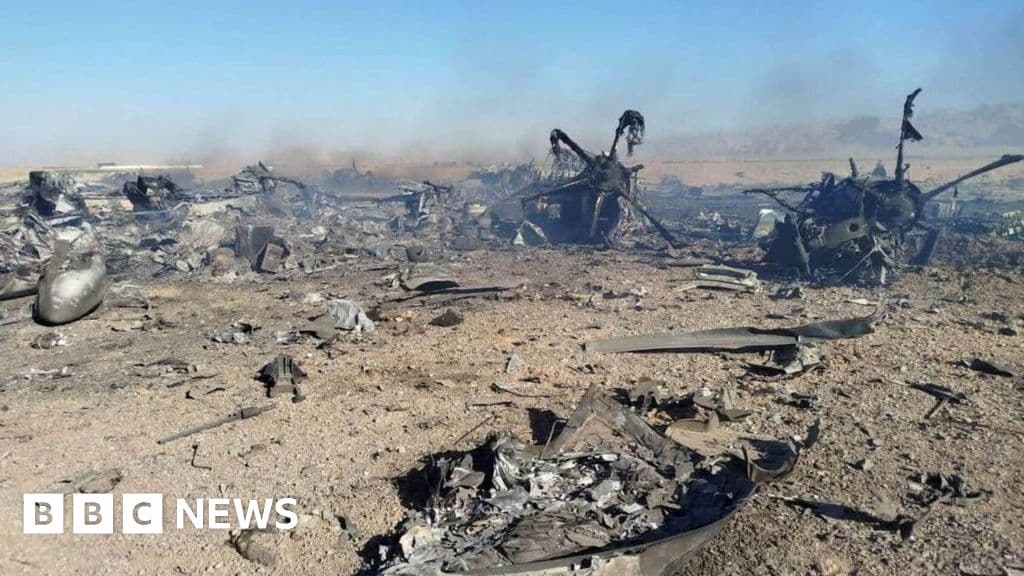
Special forces then deployed on three additional aircraft to successfully retrieve the crews. Footage verified by BBC Verify showcased smoldering aircraft wreckage in a mountainous region about 50 km (30 miles) southeast of Isfahan.
Iran's military disclosed that two C-130 military transport planes and two Black Hawk helicopters were destroyed during the mission. Additionally, they claimed a deception and escape mission at an abandoned airport in southern Isfahan was thwarted. Iranian state media also reported that their troops had shot down a US drone over Isfahan while it was deployed to search for the missing airman.
However, the accuracy of these claims remains unverified by external sources, including the BBC.
By midnight US time, the rescue operation concluded successfully, with the airman transported to Kuwait for medical treatment. President Trump confirmed that although the officer was seriously wounded, he would recover.
This dramatic incident has raised questions about US military operations in hostile territories and the complexities involved in rescue missions. It also serves as a stark reminder of the risks faced by military personnel in combat zones and the lengths to which the US will go to ensure their safety.
As we look ahead, the implications of this operation could influence future military strategies and diplomatic relations in the region. Observers will be keen to see how this incident affects US-Iran relations and the broader geopolitical landscape.
Why It Matters: This rescue operation not only highlights the bravery and skill of US forces but also underscores the ongoing tensions in Iran and the potential for future conflicts. As military engagements evolve, understanding the dynamics of such operations becomes increasingly critical for national security and international diplomacy.
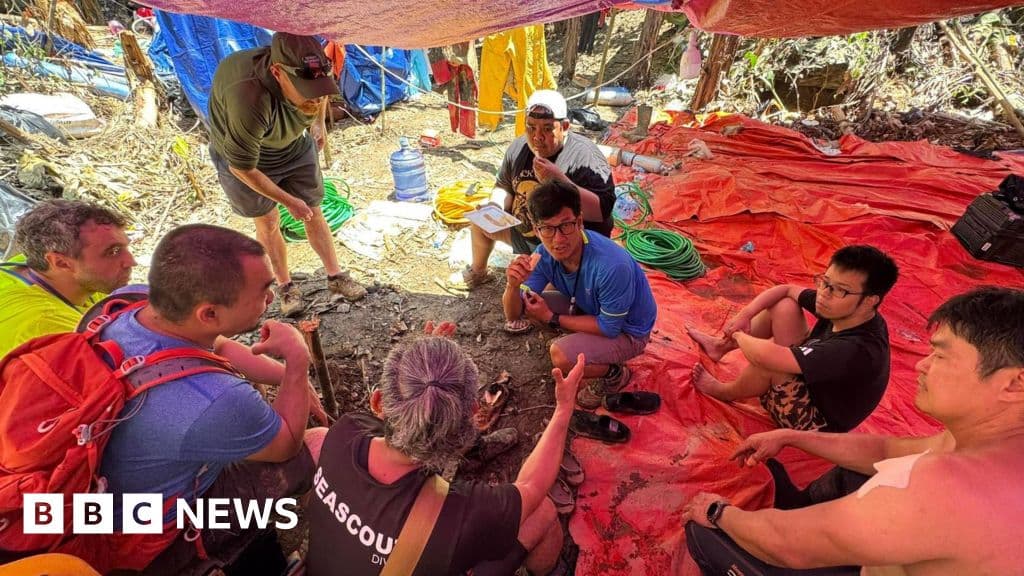
Survivors of the Laos cave rescue are aiding efforts to find the last two missing men trapped inside, sharing crucial insights for the search operation.
BBC World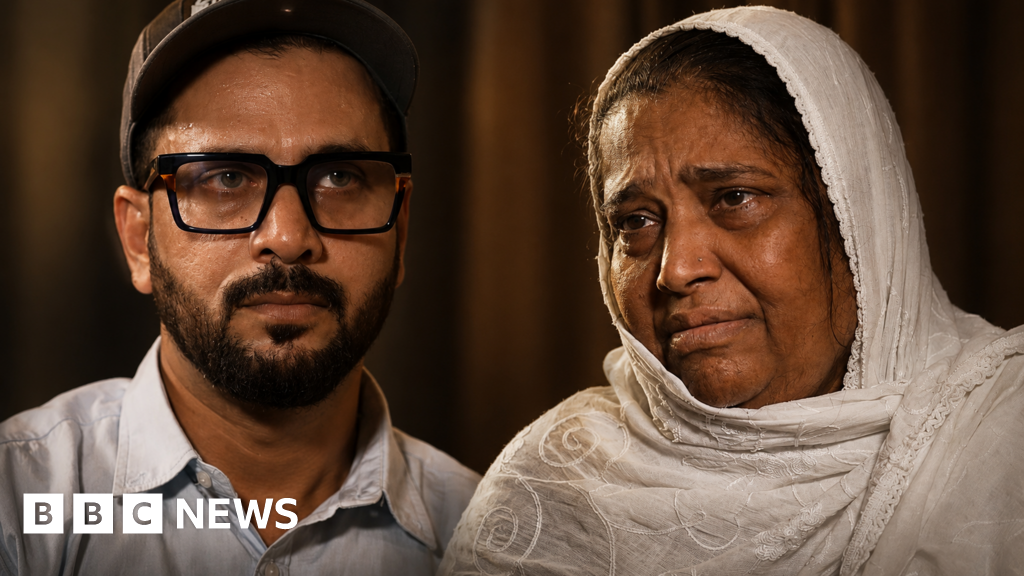
A year after the tragic Air India crash, the Ali family reflects on grief, unanswered questions, and the enduring bonds of love in the face of loss.
BBC Business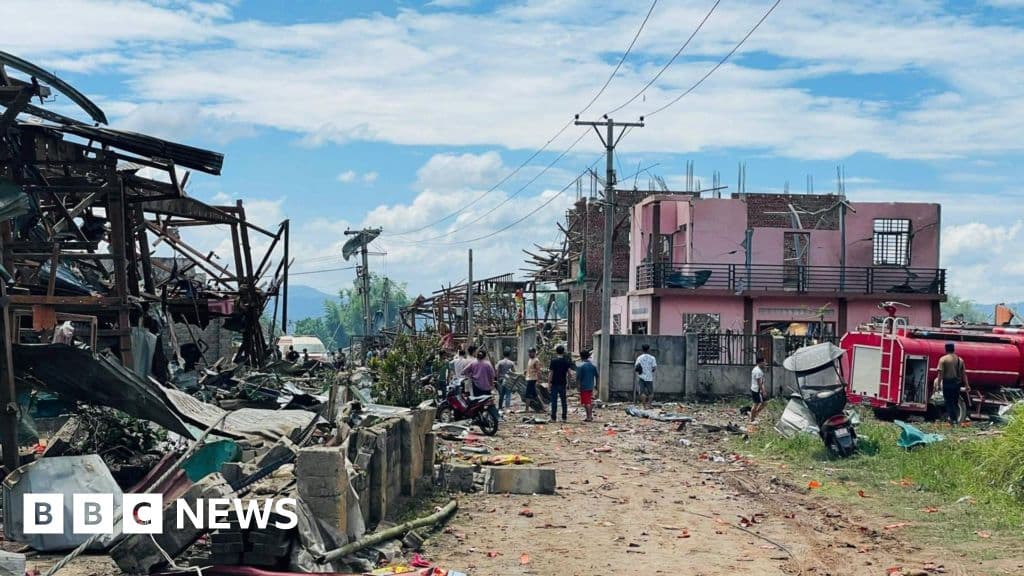
A devastating explosion in Myanmar's Kaung Tat village has killed at least 55 people, raising serious safety concerns and questions about civilian protection in conflict zones.
BBC World