
Image: BBC World
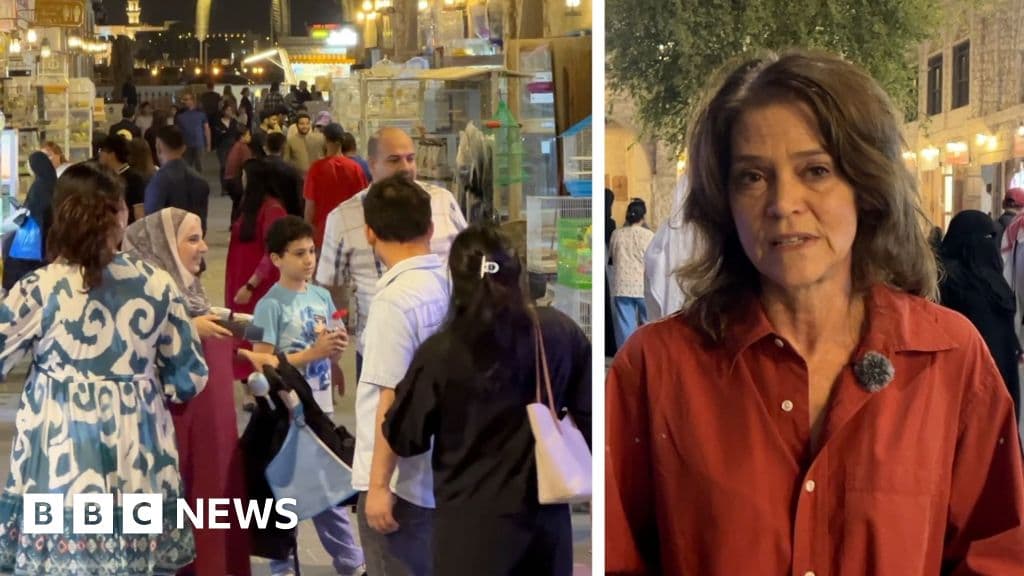
Doha's Souq Waqif market begins to revive after weeks of conflict. Discover the impact on local life and global oil prices amid rising tensions.
GlipzoAmid escalating tensions in the Middle East, Doha's Souq Waqif market, a vibrant hub known for its culture and commerce, is slowly coming back to life. Just two weeks ago, on February 28, the market was nearly deserted as residents grappled with the onset of conflict involving Israel, the United States, and Iran. The shockwaves from the violence have reverberated throughout the region, impacting not only the local economy but also the psychological state of its citizens.
The conflict, marked by Tehran's retaliatory strikes, has already claimed at least 18 lives across the Gulf states. However, Qatar has managed to avoid casualties thus far, with its air defense systems successfully intercepting most attacks aimed at the country, including those targeting US military installations.
As the situation stabilizes, Souq Waqif is beginning to fill with vendors and shoppers again. The BBC's Barbara Plett Usher visited the market to capture the sentiments of locals as they navigate this new, fraught reality. Despite the ongoing conflict, residents are cautiously optimistic, showing resilience in the face of adversity. Many expressed a yearning for normalcy, highlighting how these markets serve as focal points for community and cultural exchange.
The rise in foot traffic at Souq Waqif reflects a broader desire among Qataris to reclaim their sense of security and normal life. The bustling atmosphere, which the market is known for, is gradually returning, signaling a potential resurgence in local commerce.
The conflict’s impact extends beyond local markets, influencing global oil prices as well. Just this week, crude oil prices surged to over $100 a barrel, a reflection of the instability in the region. This spike may have far-reaching consequences, not only for Gulf economies but also for global markets.
The ongoing situation in the Middle East also raises questions about international diplomacy. Tom Fletcher, the UN Humanitarian Affairs Lead, has been vocal about the need for strategic dialogue to mitigate the humanitarian fallout of the conflict. With the US Secretary of Defense, Pete Hegseth, confirming military actions against Iranian targets, the situation remains volatile. High-stakes interactions between the US and Iran are likely to shape future diplomatic relations, particularly as tensions continue to escalate.
Recent events underscore the unpredictable nature of the conflict. Reports indicate that a US torpedo sank an Iranian warship in the Indian Ocean. Additionally, drone strikes near a US consulate in Dubai have further heightened tensions. The US President, during a recent White House appearance, criticized international partners for their reactions to the conflict, emphasizing the complexity of alliances in this volatile landscape.
Key developments include: - US military actions resulting in the sinking of an Iranian vessel. - Drone strikes targeting locations near American diplomatic missions. - Rising crude oil prices impacting global markets.
The situation in Doha and the broader Middle East is crucial for several reasons. It highlights the fragility of peace in a region often marred by conflict. As global markets react to rising oil prices, economies worldwide could feel the pressure. Furthermore, the humanitarian implications of the conflict cannot be overstated, as innocent lives are caught in the crossfire.
The resilience demonstrated by residents of Doha’s Souq Waqif market serves as a microcosm of the larger struggle for stability in the region. How communities adapt to these challenges may influence future interactions between citizens and their governments as well as the international community.
As we move forward, several key factors will shape the unfolding narrative of the conflict: - Continued military engagements by the US and Iran. - The effectiveness of diplomatic efforts to ease tensions in the region. - The potential for further escalation and its impact on civilian life in affected countries. - The response of global markets to ongoing developments, particularly in energy sectors.
In conclusion, while Doha's Souq Waqif market is beginning to revive, the shadows of conflict loom large. The resilience of its people will be tested as they strive to return to a sense of normalcy amidst an ever-changing and unpredictable geopolitical landscape.
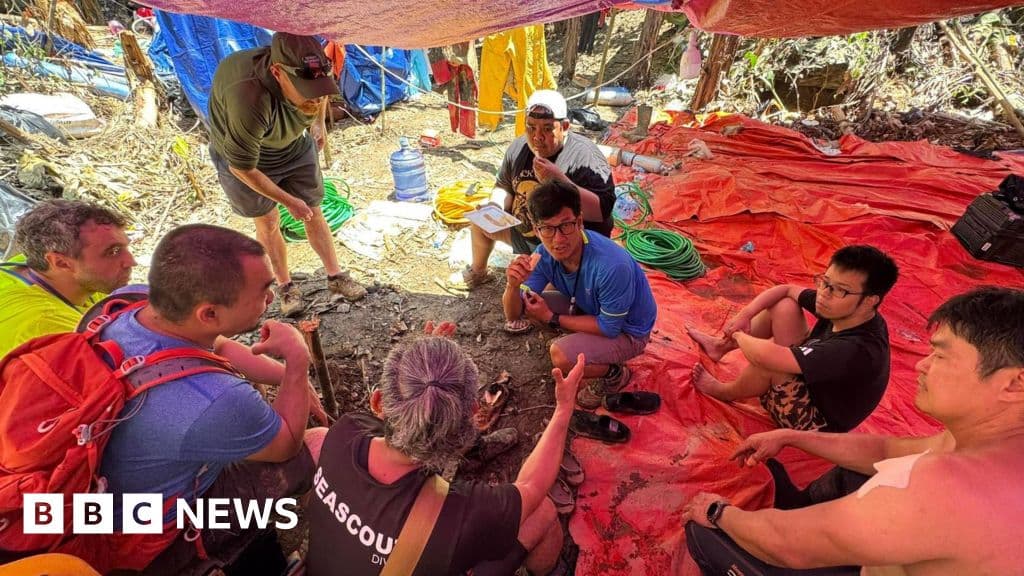
Survivors of the Laos cave rescue are aiding efforts to find the last two missing men trapped inside, sharing crucial insights for the search operation.
BBC World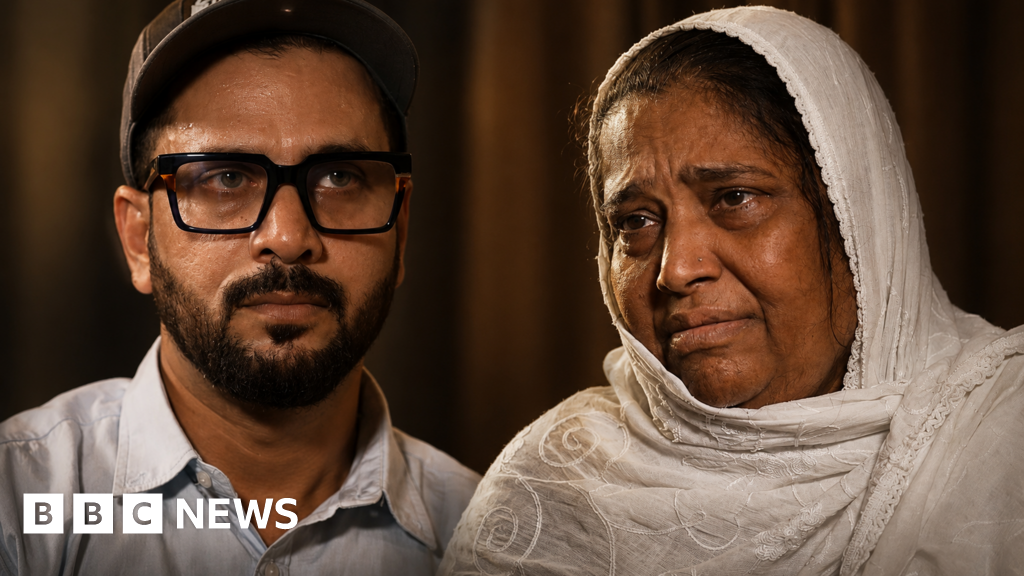
A year after the tragic Air India crash, the Ali family reflects on grief, unanswered questions, and the enduring bonds of love in the face of loss.
BBC Business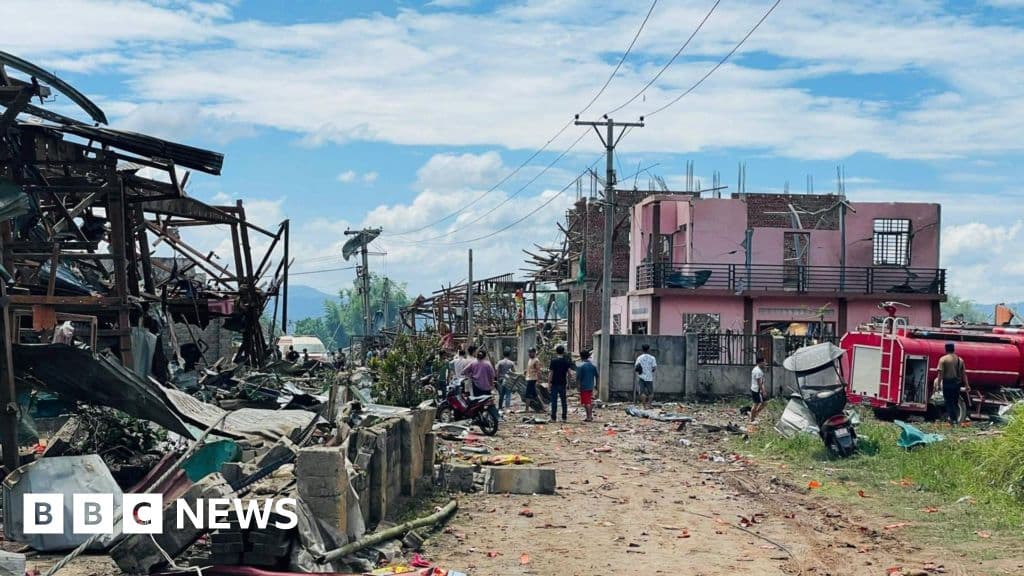
A devastating explosion in Myanmar's Kaung Tat village has killed at least 55 people, raising serious safety concerns and questions about civilian protection in conflict zones.
BBC World