
Image: Mint (Business)
DGCA urges airlines to avoid 11 airspaces due to rising tensions in the West Asia and Persian Gulf, effective until March 28, 2025. Learn more.
GlipzoIn a significant move aimed at ensuring the safety of commercial flights, the Directorate General of Civil Aviation (DGCA) has issued a critical advisory urging airlines to steer clear of 11 specific airspaces. This warning comes in response to escalating military tensions in the West Asia and Persian Gulf regions, and will remain in effect until March 28, 2025.
The DGCA's advisory highlights the heightened risks faced by civil aviation due to recent military strikes by the United States and Israel against Iranian targets, creating an unstable environment that poses threats not only within Iranian airspace but also affecting neighboring countries. The advisory is a precautionary measure to protect airlines and passengers from potential dangers that could arise from retaliatory actions by Iran.
According to the advisory, the situation has been exacerbated by ongoing military operations, which significantly increase the likelihood of operational errors and potential attacks on US and Israeli assets in the region. The DGCA identified that the high-risk zone encompasses all altitudes and flight levels within the affected Flight Information Regions (FIRs), urging airlines to exercise extreme caution.
The affected airspaces include: - Saudi Arabia - Oman - Various regions in the Persian Gulf and West Asia
Airlines are advised to refrain from operating within these areas at any altitude unless they meet specific safety conditions. The DGCA has emphasized that any continued operations in these zones would depend on each airline's Safety Risk Assessment.
In light of the advisory, the DGCA has instructed flight operators to implement robust monitoring systems when operating in permitted areas, particularly advising them not to operate below FL320 (Flight Level 320) in the airspace of Saudi Arabia and Oman. This precaution aims to mitigate potential risks associated with the current geopolitical climate.
The regulatory body also stresses the importance of comprehensive contingency planning for flights destined for airports in the affected regions. Airlines are urged to closely monitor updates from Aeronautical Information Publications (AIPs) and NOTAMs (Notices to Airmen) issued by the relevant national authorities. These notifications provide critical real-time information on airspace and airport conditions that are vital for flight safety.
The conflict involving the United States, Israel, and Iran has now entered its third week, with no signs of de-escalation. This series of events began on February 28, when coordinated strikes by the US and Israel targeted Iranian military installations, prompting retaliatory actions from Tehran that included attacks on several US military bases across the Middle East.
In recent weeks, Iran has faced significant leadership losses, including the deaths of several high-ranking officials, such as Supreme Leader Ayatollah Ali Khamenei, Ali Larijani, and Esmail Khatib, Iran's Intelligence Minister. Despite these setbacks, Tehran appears resolute in its stance, indicating a willingness to prolong the conflict as it seeks to reshape the political landscape of the Middle East to its advantage.
The DGCA's advisory is not just a local concern; it reflects broader implications for global aviation safety in times of geopolitical turmoil. The decision to avoid these airspaces underscores the ongoing risks that airlines face when operating in regions affected by military conflict. As tensions continue, the potential for operational disruptions and safety threats increases, making it imperative for airlines to adapt quickly and implement effective risk management strategies.
As the situation unfolds, airlines must remain vigilant and prepared for further advisories or changes in the geopolitical landscape that could affect flight operations. Travelers should stay informed about their airlines' routes and safety measures in light of the advisory.
In conclusion, the DGCA's proactive measures signal the importance of prioritizing safety in the face of rising global tensions. As conflicts continue to shape the aviation industry, both airlines and passengers must remain informed and adaptable to ensure safe travel in uncertain times.
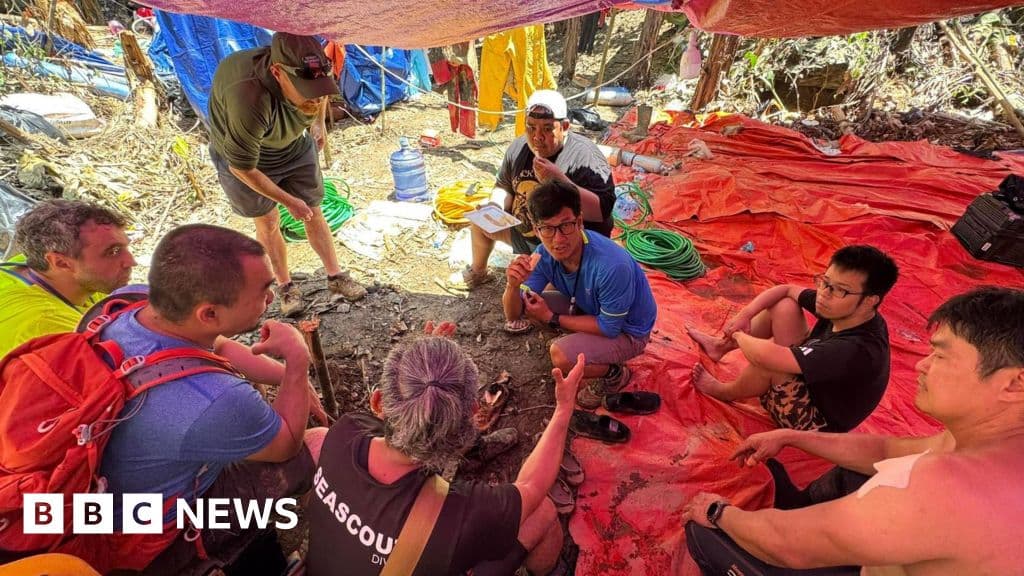
Survivors of the Laos cave rescue are aiding efforts to find the last two missing men trapped inside, sharing crucial insights for the search operation.
BBC World
A year after the tragic Air India crash, the Ali family reflects on grief, unanswered questions, and the enduring bonds of love in the face of loss.
BBC Business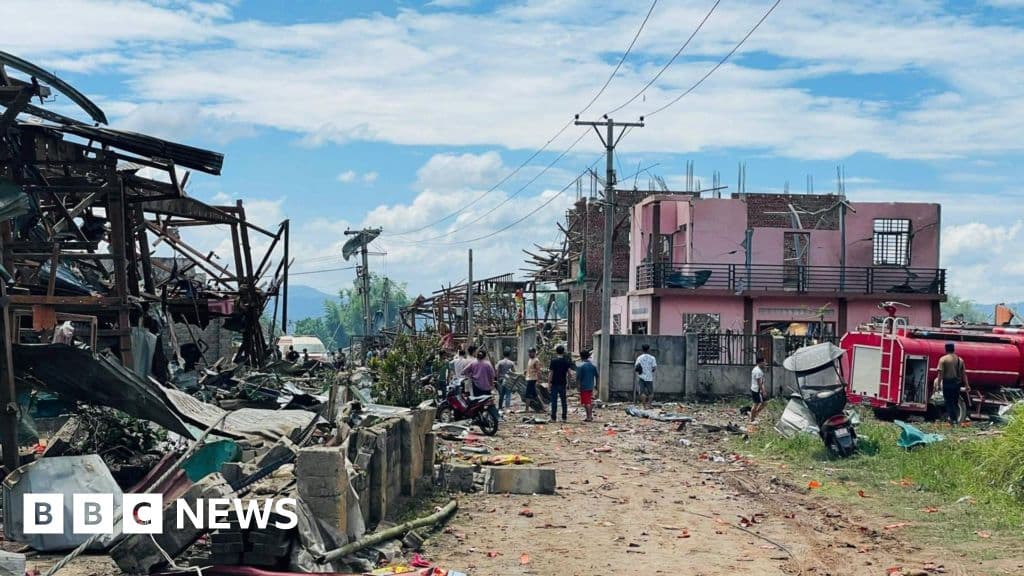
A devastating explosion in Myanmar's Kaung Tat village has killed at least 55 people, raising serious safety concerns and questions about civilian protection in conflict zones.
BBC World