
Image: BBC Health
A mother's plea for separate waiting areas at a Welsh hospital highlights the urgent need for safety measures for cancer patients like her daughter, Rebecca.
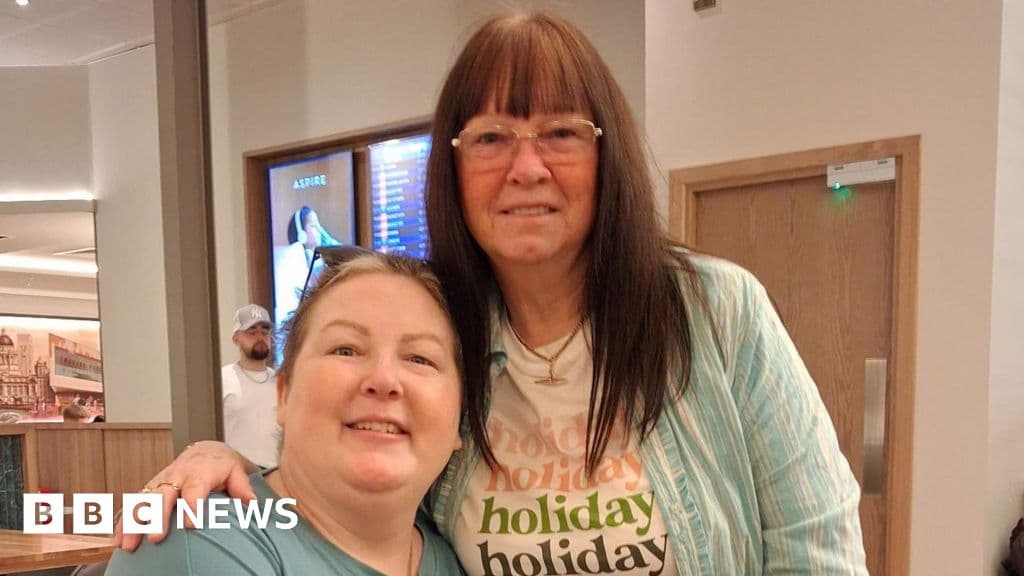
GlipzoRebecca Quayle, a 41-year-old mother battling terminal cancer, faces a grim reality: even a common cold could be life-threatening. Her mother, Delia Lodge, is filled with dread every time Rebecca requires treatment at Ysbyty Glan Clwyd in Denbighshire, Wales. The crowded waiting room, filled with patients who may be ill and potentially contagious, feels like a ticking time bomb for Rebecca’s compromised health.
Delia's fears are not unfounded. As a terminal cancer patient, Rebecca's immune system is severely weakened, making her extraordinarily vulnerable to infections. Each visit to the emergency department intensifies Delia's anxiety, as she worries about the risk of picking up germs from those around them. "Every cough, every sneeze becomes a potential danger," she states, highlighting the perilous situation they face.
In light of these harrowing circumstances, Delia is advocating for the establishment of designated waiting areas specifically for cancer patients and others with weakened immune systems. She argues that these patients deserve a safe environment where they can wait for treatment without the fear of exposure to illness.
Currently, due to the closure of the cancer unit during evenings and weekends, patients like Rebecca must navigate through the busy A&E department. This necessity has prompted Delia to take action, gathering over 2,500 signatures from supporters who share her concerns.
"The current measures aren't enough," Delia insists. "Every patient, especially those with cancer, should feel safe when they come to the hospital." Her determination stems from a desire to protect Rebecca and others in similar situations who deserve a secure healthcare environment.
Delia's campaign is bolstered not only by signatures but also by support from organizations such as Cancer Research Wales, which emphasizes the importance of creating separate waiting areas for immunocompromised patients. Experts recognize that when these vulnerable individuals contract infections, it can lead to significant delays in treatment, further complicating their health management.
Gemma Bailey, a cancer survivor and a close friend of Delia, echoes these sentiments, stating, "Sitting in a crowded, general waiting area adds another layer of anxiety." This shared experience among cancer patients highlights the urgent need for systemic changes within healthcare facilities to accommodate their specific needs.
The Betsi Cadwaladr health board, responsible for healthcare in North Wales, has expressed awareness of the concerns raised by Delia and other advocates. Chris Lynes, the deputy executive director of nursing and midwifery, acknowledged the challenges faced by immunocompromised patients in emergency departments. He stated that while the health board is actively working to address these issues, finding appropriate space for separate waiting areas remains a challenge due to the layout of the hospital.
"While we are not currently able to implement the suggestion of a separate designated area, we want to reassure patients and families that our teams are fully aware of these concerns and remain committed to providing safe, compassionate care," Lynes remarked. This commitment, while appreciated, highlights the ongoing struggle to provide an ideal healthcare experience for vulnerable patients like Rebecca.
The plight of Rebecca and other cancer patients illuminates a critical need for healthcare systems to adapt to the unique challenges faced by those with compromised immune systems. As hospitals continue to manage the influx of patients, especially in emergency settings, the safety of vulnerable populations must remain a priority.
Cancer patients often experience heightened anxiety about their health, and the stress of waiting in a potentially hazardous environment can exacerbate their conditions. By advocating for separate waiting areas, Delia is not only fighting for her daughter’s safety but also for the well-being of all patients who face similar vulnerabilities.
As Delia continues her campaign, the potential for systemic change remains on the horizon. The gathering of support from the community and healthcare advocates signals a growing awareness of the issue. If her efforts succeed, it could lead to improved healthcare protocols not only at Ysbyty Glan Clwyd but across other hospitals facing similar challenges.
The pressing question remains: will healthcare officials heed the call for change? Patients and families are watching closely, hoping for a future where no one has to fear the waiting room as a place of potential harm. Delia’s resolve to keep pushing for a solution underscores the critical need for hospitals to prioritize the safety of all patients, especially those battling life-threatening illnesses like cancer.
This situation serves as a reminder that the healthcare system must evolve to meet the needs of its most vulnerable patients, ensuring that they receive the compassionate, safe care they deserve.
Shocking findings from Nottingham's maternity unit reveal a toxic culture and alarming neglect. What can be done to improve care? Discover the details.
BBC Health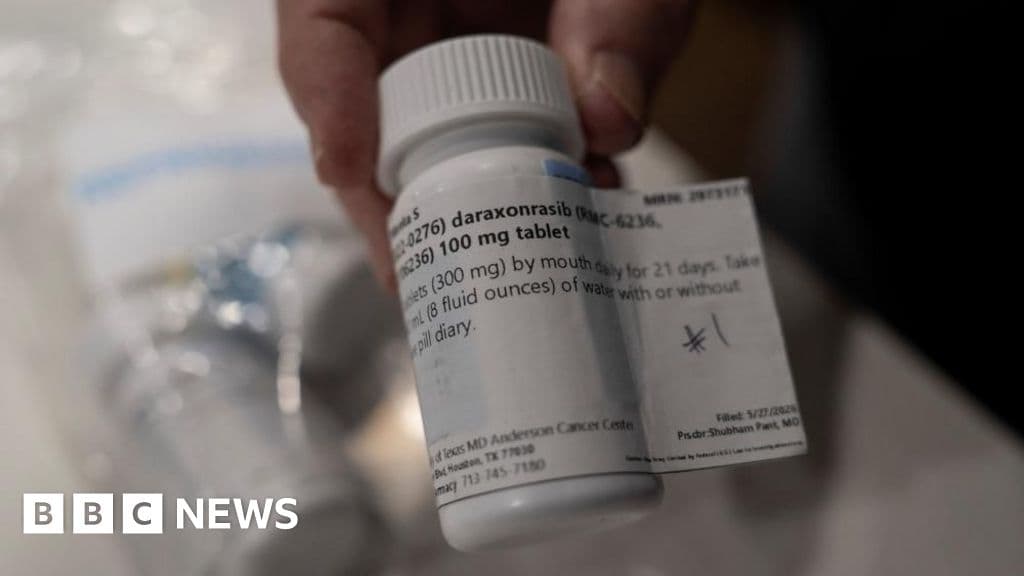
Discover how daraxonrasib, a new pill, is nearly doubling survival rates for pancreatic cancer patients, offering hope in a challenging battle against this deadly disease.
BBC Health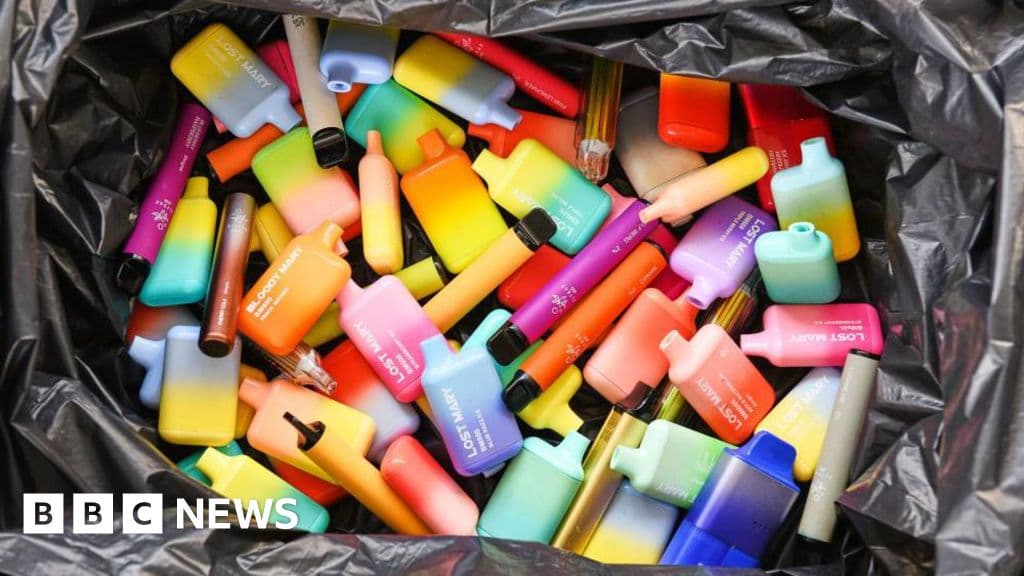
Waste companies propose a £5 deposit on vapes to encourage proper disposal and curb littering as the environmental impact of vapes increases.
BBC Business