
Image: BBC World
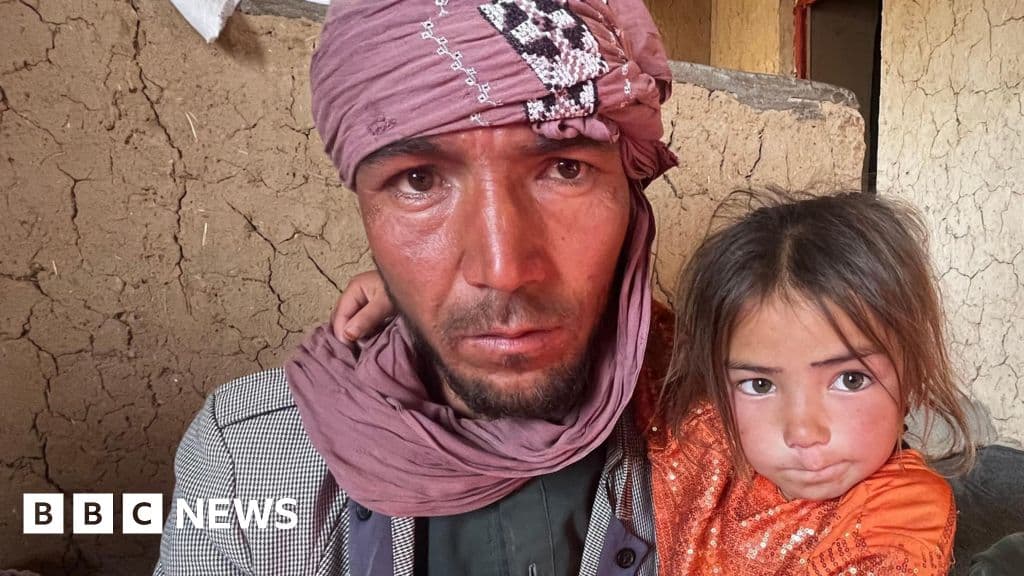
Afghan fathers face heartbreaking choices as they struggle for survival amid a humanitarian crisis. Discover their stories and the urgent need for aid.
GlipzoThe chances of finding employment, however, remain dismally low. Juma Khan, a 45-year-old father, shares his harrowing experience: "I've only found work for three days in the past six weeks, earning between 150 to 200 Afghani (approximately $2.35-$3.13)." He continues, revealing the emotional toll of his dire circumstances: "My children went to bed hungry for three nights straight. My wife cried, and my children cried. I had to beg a neighbor for money just to buy flour. I live in constant fear that my children will die from hunger."
Juma's story is tragically not unique in today's Afghanistan. The United Nations reports that a staggering 75% of the population is unable to meet their basic needs, with unemployment rampant, healthcare systems failing, and international aid dwindling to a fraction of what it once was. The country now faces unprecedented levels of hunger, with approximately 4.7 million people—over 10% of the population—on the brink of famine.
Another father, Khwaja Ahmad, struggles to hold back tears as he describes his situation: "We are starving. My older children have died, and I must work to feed my family. But I'm old, and no one wants to hire me."
When a local bakery opens its doors, the owner distributes stale bread among the gathered men. In mere seconds, the loaves are torn apart, with multiple men desperately clutching onto the precious pieces of bread. A fleeting opportunity arises when a man on a motorcycle seeks a laborer to carry bricks, and dozens of men rush toward him, showing just how critical the situation has become. In the two hours spent observing, only three men managed to secure a job.
Rashid's wife, Kayhan, adds to the family's plight, stating, "All we have to eat is bread and hot water, not even tea." Their two teenage sons are forced to work polishing shoes, while another collects rubbish that Kayhan uses for cooking fuel.
In an even more desperate turn, Saeed Ahmad reveals that he has already sold his five-year-old daughter, Shaiqa, after she suffered from appendicitis and a liver cyst. "I had no money for her medical care, so I sold her to a relative," he explains. Shaiqa's surgery was successful, funded by the 200,000 Afghani (around $3,200) she was sold for. Saeed struck a deal that allowed him to keep Shaiqa with him until he can pay off the remaining amount over the next five years. "If I had money, I would never have made this decision. But what if she dies without surgery? At least now she is alive."
The world must not turn a blind eye to the suffering in Afghanistan. As winter approaches, the situation will only worsen, and the need for sustained humanitarian efforts is more urgent than ever. It remains to be seen how the global community will respond to this critical moment in history, but for the fathers of Afghanistan, every day is a fight for survival.
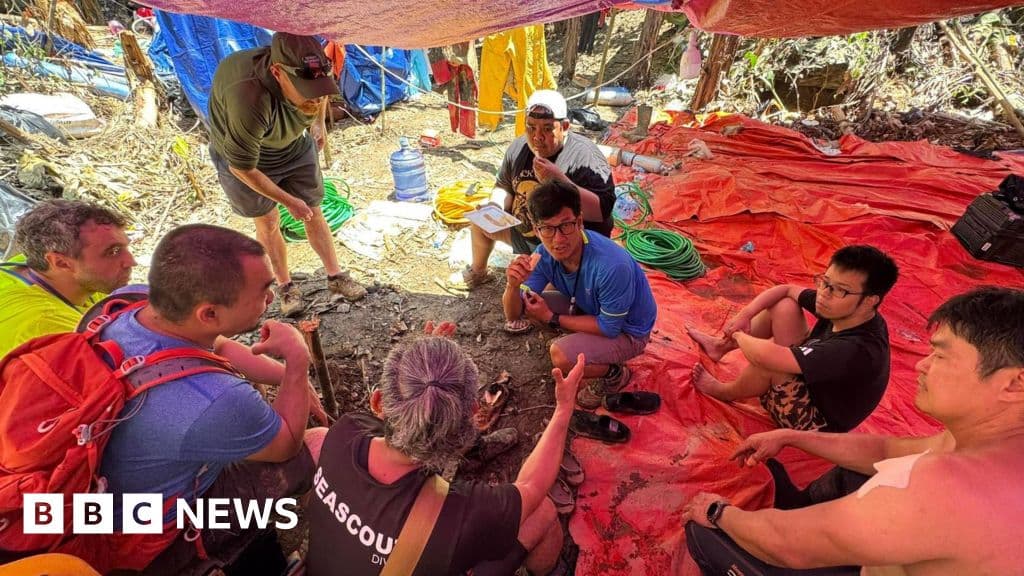
Survivors of the Laos cave rescue are aiding efforts to find the last two missing men trapped inside, sharing crucial insights for the search operation.
BBC World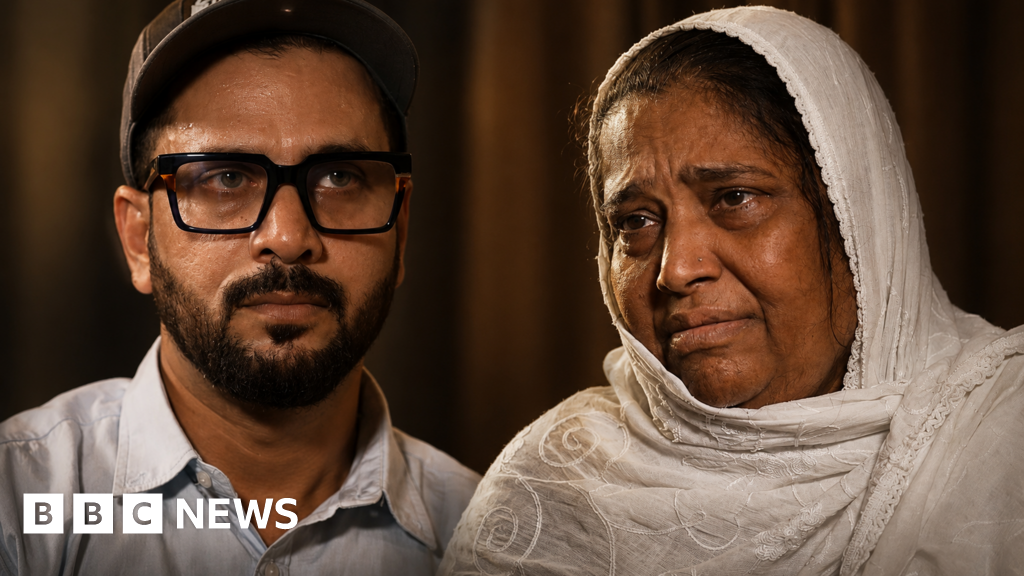
A year after the tragic Air India crash, the Ali family reflects on grief, unanswered questions, and the enduring bonds of love in the face of loss.
BBC Business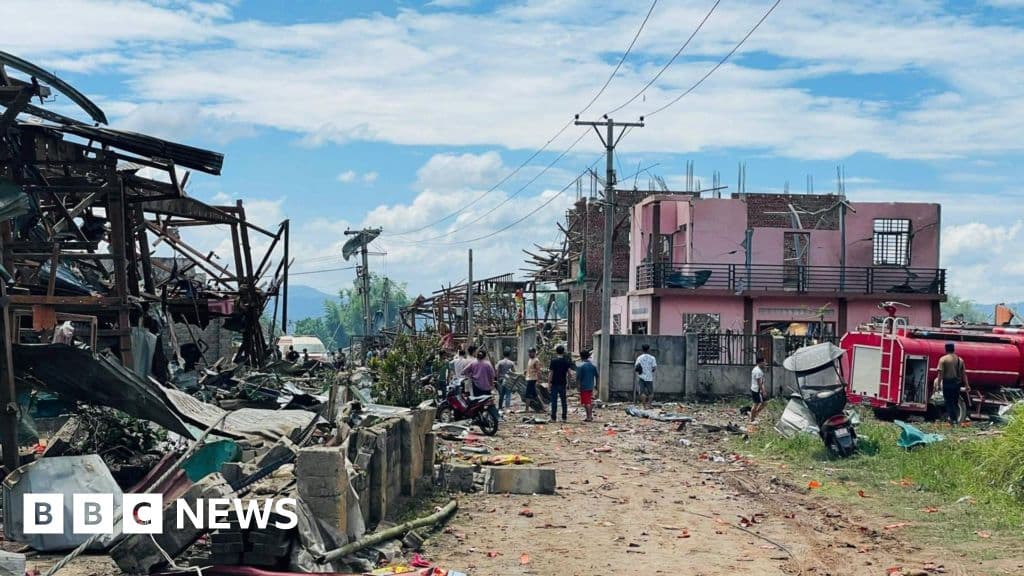
A devastating explosion in Myanmar's Kaung Tat village has killed at least 55 people, raising serious safety concerns and questions about civilian protection in conflict zones.
BBC World