
Image: BBC World
Cypriot President Nikos Christodoulides demands a candid dialogue about the UK's military bases, citing concerns over regional threats and colonial legacy.
GlipzoIn a bold statement that underscores rising tensions, Cypriot President Nikos Christodoulides has called for an open and straightforward discussion regarding the status of the UK's military bases on the island of Cyprus. Speaking to the BBC ahead of an EU leaders' summit in Brussels, Christodoulides described the bases as a lingering "colonial consequence" of British rule, highlighting the need for a reevaluation of their future.
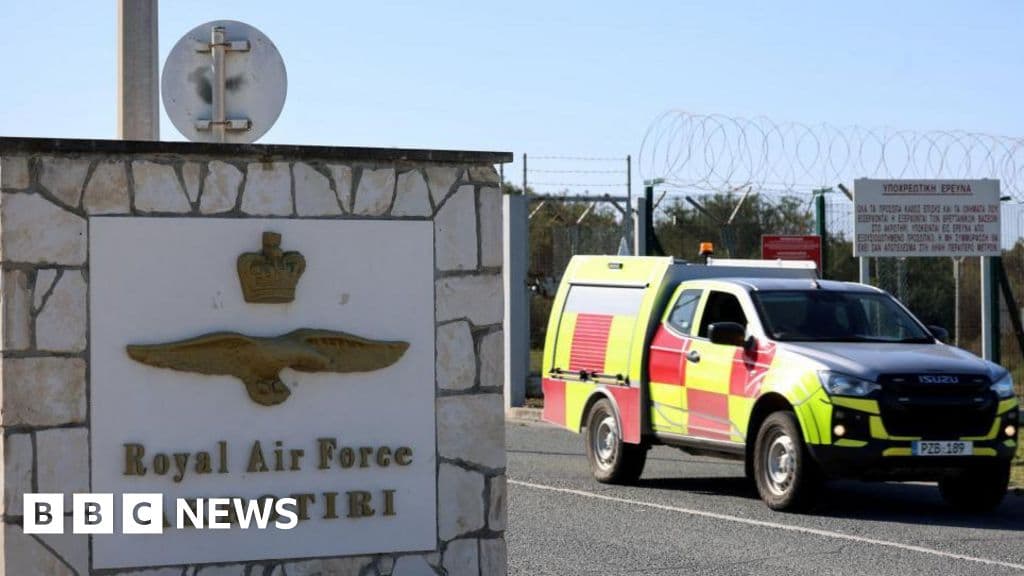
The UK retains sovereignty over two military bases, Akrotiri and Dhekelia, as part of a treaty that established Cyprus's independence from British rule in 1960. However, recent events, including drone strikes targeting the bases, have intensified scrutiny over their presence. "When the situation in the Middle East stabilizes, we will engage in a frank discussion with the British government," he stated, emphasizing the urgency of addressing these longstanding issues.
This month, RAF Akrotiri was struck by drones, reportedly launched from Lebanon by the Iranian-backed group Hezbollah. The drone attacks have raised alarms, not only about the safety of the British military installations but also about their role in escalating tensions in the region. Two drones were intercepted, but a third successfully hit the base, leading to what officials described as "minimal damage." In response, the UK dispatched a naval frigate to bolster defenses at Akrotiri.
Critics argue that the presence of British bases has turned Cyprus into a potential target in the ongoing conflicts involving Iran and its allies. The Cypriot president elaborated on this concern, stating that these bases have made the island susceptible to threats that it previously may not have faced. "We have more than 10,000 Cypriot citizens working within these bases, and it is our responsibility to ensure their safety," Christodoulides noted, stressing the impact of these military installations on local communities.
Any discussions about the future of the UK bases will be far from straightforward. The founding agreements that established the bases involve multiple stakeholders, including the UK, Greece, Turkey, as well as representatives from both the Greek and Turkish Cypriot communities. The complexity of these agreements could hinder negotiations, as President Christodoulides pointed out, "I'm not going to negotiate publicly about this matter."
Despite the challenges, the Cypriot leader's remarks reflect a significant shift in the political landscape. He is advocating for a dialogue that acknowledges the evolving geopolitical dynamics in the region. The notion of reassessing the bases' status resonates with a growing sentiment among Cypriots who seek greater autonomy and security.
In response to the Cypriot president's comments, the UK's Ministry of Defence highlighted Defense Secretary John Healey's remarks in Parliament regarding military cooperation, stating that relations have never been stronger. Healey emphasized that the head of the Cyprus National Guard acknowledged the enhanced military collaboration between Cyprus and the UK.
Earlier in the month, Healey visited UK air defense teams stationed in Cyprus, reinforcing the importance of maintaining a strong military presence in the wake of the drone attacks. The UK government has increased its military presence in Cyprus, with HMS Dragon recently entering the Mediterranean to support defense initiatives. Furthermore, the arrival of naval vessels from Greece, France, and Spain illustrates a united European front in response to the threats facing Cyprus.
The developments surrounding the UK military bases in Cyprus are emblematic of larger geopolitical tensions in the region. With the ongoing conflict in the Middle East and the involvement of various international players, the future of these bases could influence not only Cyprus's safety but also broader regional stability. The call for dialogue by President Christodoulides signals a critical juncture in Cyprus’s relationship with the UK and its approach to security in an increasingly complex landscape.
As the situation unfolds, the world will be watching to see how the UK responds to Cyprus's demands and whether this leads to significant changes in the military presence on the island. The outcome of these discussions could redefine the balance of power in the Eastern Mediterranean and impact relations between Cyprus, the UK, and neighboring countries.
Moving forward, several key areas will be crucial to monitor: - The outcome of future discussions between Cyprus and the UK regarding the bases. - The geopolitical implications of military presence and cooperation in the region. - The evolving security landscape in the Middle East and its impact on Cypriot stability. - Public sentiment in Cyprus regarding the British military bases and national sovereignty.
As tensions persist and the geopolitical chessboard shifts, how Cyprus navigates its relationship with the UK and responds to external threats will be pivotal in shaping its future.

Tensions soar as the US and Iran engage in air strikes near the Strait of Hormuz, raising concerns over global oil supply and regional stability.
BBC World
Trump's international interventions face serious stalemates. What will this mean for U.S. foreign policy? Explore the critical challenges ahead.
Indian Express
Tehran denies resignation of President Masoud Pezeshkian amid claims of IRGC influence. What does this mean for Iran's political stability? Click to learn more!
Indian Express