
Image: The Hindu
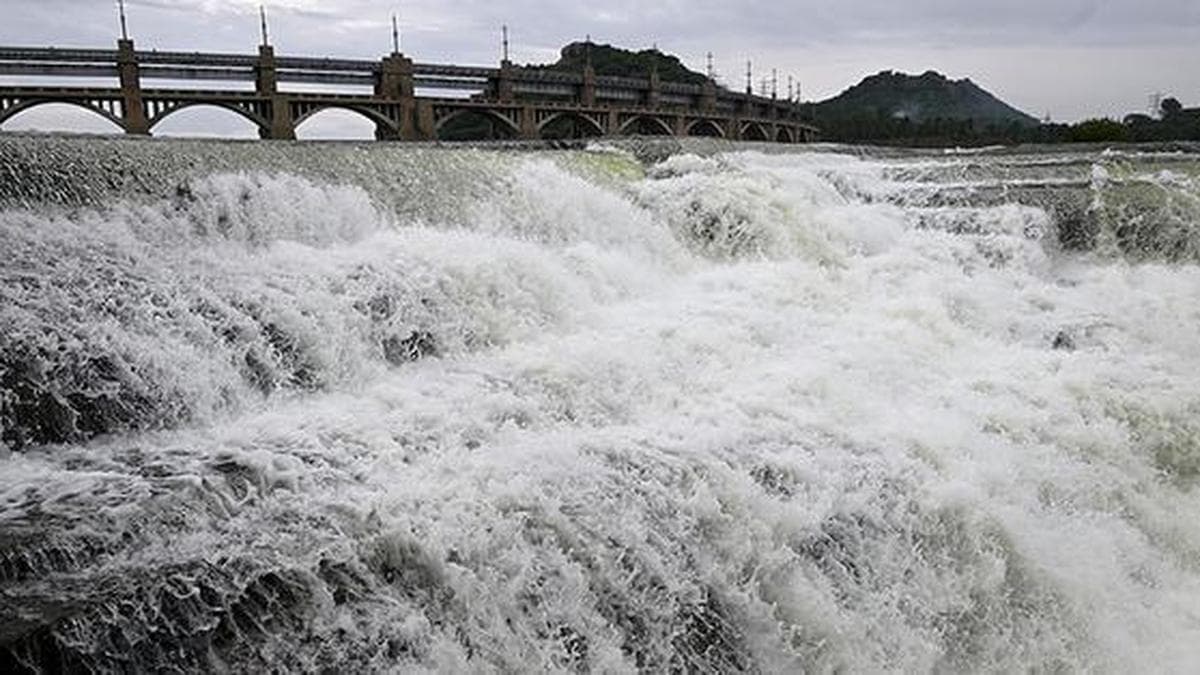
Discover the current water level in Mettur Dam at 83.66 feet and its implications for agriculture and water management in Tamil Nadu.
GlipzoAs of March 18, 2026, the Mettur Dam in Tiruchi has recorded a water level of 83.66 feet, significantly below its maximum capacity of 120 feet. This crucial reservoir, which plays a vital role in irrigation and water supply for the surrounding regions, is currently experiencing an inflow of 47 cusecs while discharging 2,500 cusecs.
This data, shared by local authorities, highlights the ongoing management of water resources amid changing climatic conditions. The Stanley Reservoir, as the dam is also known, is a key player in maintaining the ecological balance and supporting agricultural activities in the area.
Understanding the water level in Mettur Dam is essential for several reasons: - Agricultural Impact: The dam provides irrigation support to thousands of farmers in Tamil Nadu, especially during the dry seasons. - Hydroelectric Power Generation: The dam is integral to the region's energy supply, generating electricity that powers local industries and homes. - Water Supply Management: The storage level directly affects the water supply for domestic and industrial use.
The current level of 83.66 feet indicates that while the dam is not at full capacity, it continues to serve its purpose effectively. However, fluctuations in water levels can lead to concerns about water availability, prompting local authorities to monitor the situation closely.
The inflow and outflow rates are critical indicators of the dam’s operational efficiency. With an inflow of 47 cusecs and a discharge rate of 2,500 cusecs, the dam is releasing water at a rate much higher than it is receiving. This discrepancy raises concerns about future water availability.
Such a high discharge rate suggests that the reservoir is being managed to prevent overflow, especially in anticipation of possible rainfall in the coming weeks. This proactive approach is vital in ensuring that the dam remains functional and safe for surrounding communities.
The state of Mettur Dam is not just a local issue; it has broader implications for water management in Tamil Nadu. The dam's health is indicative of the region's climatic patterns and water resource sustainability.
Understanding these dynamics is essential for stakeholders, including farmers, local governments, and environmentalists. The ability to adapt to changing water levels will play a crucial role in managing resources effectively.
As the season progresses, the authorities will continue to monitor the Mettur Dam closely. Here are a few key points to watch for: - Weather Forecasts: Predictions of rainfall will be crucial in determining future inflow rates. - Irrigation Needs: Farmers and local authorities must stay informed about water availability to make timely decisions regarding crop irrigation. - Community Awareness: Increased public awareness about water conservation practices becomes essential, especially during periods of low water availability.
In conclusion, while the current water level of 83.66 feet indicates a need for careful management, it also presents an opportunity for proactive engagement among stakeholders to ensure sustainable water use. As we move further into the year, the focus will be on adapting to the conditions while prioritizing environmental and agricultural needs in Tamil Nadu.

Survivors of the Laos cave rescue are aiding efforts to find the last two missing men trapped inside, sharing crucial insights for the search operation.
BBC World
A year after the tragic Air India crash, the Ali family reflects on grief, unanswered questions, and the enduring bonds of love in the face of loss.
BBC Business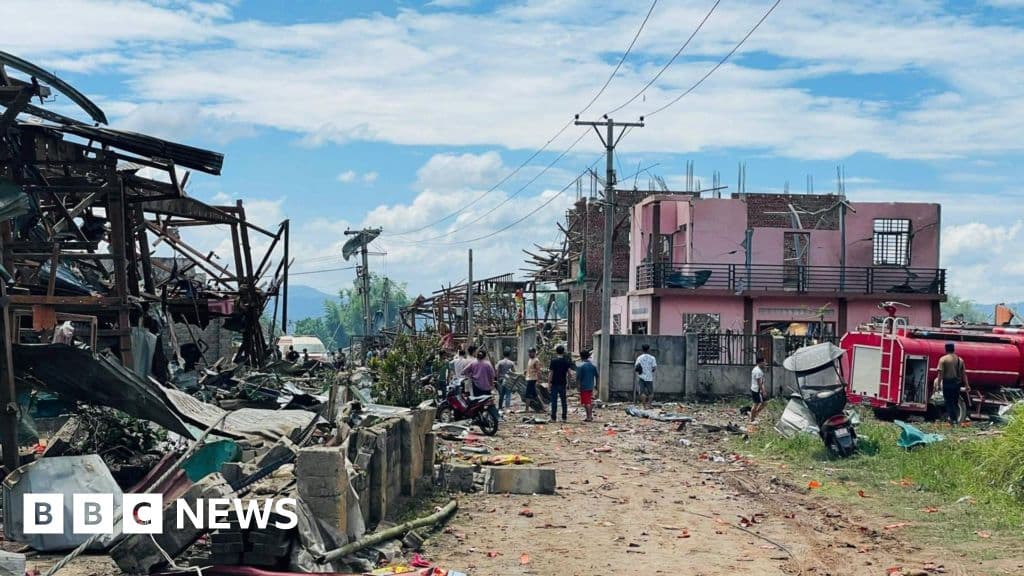
A devastating explosion in Myanmar's Kaung Tat village has killed at least 55 people, raising serious safety concerns and questions about civilian protection in conflict zones.
BBC World