
Image: Mint (Business)
Cuba warns the US of military preparedness amid Trump's takeover claims. Discover the implications for U.S.-Cuba relations and what comes next.
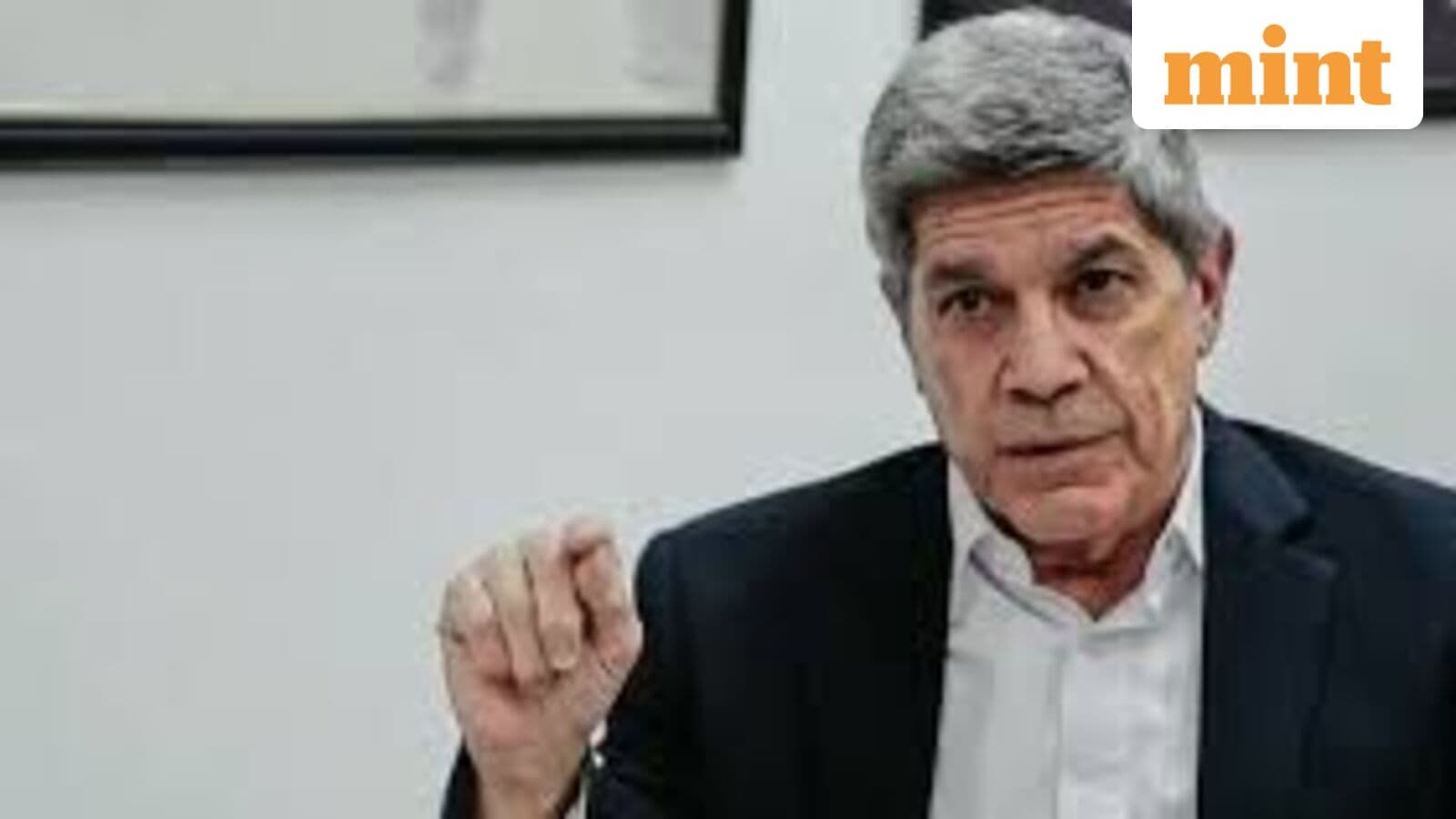
GlipzoIn a significant escalation of rhetoric, Cuba's Deputy Foreign Minister Carlos Fernández de Cossío issued a stark warning to the United States on Sunday, asserting that the island nation's military is fully ready to counter any perceived threats or aggression from the U.S. This statement comes in the wake of President Donald Trump's provocative remarks about a potential U.S. takeover of Cuba, a claim that has drawn ire from the Cuban government and reignited fears of military confrontation.
Trump's Bold Claims At a press conference on Monday, President Trump expressed his belief that he would have the "honor" of taking Cuba, stating, "I mean, whether I free it, take it. I think I can do anything I want with it, you want to know the truth." Such statements are not just mere bluster; they signal a broader strategy of regime change that has been a long-standing objective of U.S. foreign policy since Fidel Castro came to power in 1959.
During an interview with NBC, Fernández de Cossío emphasized that the Cuban military is in a continual state of readiness. He remarked, "Our military is always prepared. And in fact, it is preparing these days for the possibility of military aggression." This readiness is not just a reaction to Trump's remarks but reflects a historical perspective that views U.S. hostility as a persistent threat.
Cuba's government has consistently maintained its sovereignty and right to self-determination. Fernández de Cossío stated, "Regime change remains completely unacceptable. We would never agree to become a subordinate or dependent state under any country or superpower." This statement underscores Cuba's resolve to resist external pressures and maintain its autonomy in the face of U.S. ambitions.
In addition to military preparedness, Fernández de Cossío discussed the severe economic challenges facing Cuba, which he attributed to U.S. policies, particularly the blockade and sanctions that have intensified under the Trump administration. The U.S. oil blockade, which has cut off vital supplies from Venezuela, has exacerbated Cuba's economic crisis, impacting critical sectors such as transportation, health, and education.
Despite these challenges, he expressed an optimistic view that the U.S.-imposed restrictions could not be sustained indefinitely, highlighting Cuba's resilience in the face of external pressures.
While discussions between U.S. officials and Cuban representatives, led by Secretary of State Marco Rubio, continue, Fernández de Cossío clarified that these talks do not encompass issues of regime change or political prisoners. He stated, "We are in dialogue with the United States to talk about bilateral issues. We’re not talking about prisoners in the United States, and the U.S. has the highest record of prisoners in the world."
Rubio's assertion that Cuba would collapse "on its own" was met with skepticism from Fernández de Cossío, who argued that it's unreasonable to suggest Cuba's challenges are solely self-inflicted. He pointed out the significant role that U.S. interventions play in exacerbating Cuba's difficulties, questioning why the U.S. would invest so many resources to undermine another nation's economy if that country were indeed on the brink of collapse.
The current situation is critical, not only for Cuba but also for regional stability in the Caribbean. The potential for military confrontation looms large, particularly given the historical context of U.S.-Cuba relations marked by tension and conflict. The U.S. continues to grapple with its historical legacy in the region, while Cuba remains steadfast in its commitment to sovereignty.
What lies ahead in U.S.-Cuba relations is uncertain. As tensions simmer, observers are left to ponder the future of diplomatic relations and the potential for either escalation or reconciliation. Will the U.S. maintain its hardline stance, or will there be a shift toward more constructive engagement?
As these narratives unfold, the global community will be watching closely, as the implications of U.S. actions could reverberate throughout Latin America and beyond. The resilience of the Cuban state in the face of adversity will be tested, and the responses from both nations will shape the trajectory of their relationship for years to come.
In conclusion, the warnings from Cuba underscore the complexities of international relations in a region fraught with historical grievances. As the U.S. administration navigates its approach to Cuba, the stakes are high, and the potential for conflict remains a pressing concern. Cuba's commitment to defending its sovereignty will be a focal point in the coming months, and how the U.S. responds could significantly shape the future landscape of the Caribbean.
Garvit Bhirani is a seasoned journalist based in Gurugram, with a focus on accuracy and compelling storytelling in national and international news.

Tensions soar as the US and Iran engage in air strikes near the Strait of Hormuz, raising concerns over global oil supply and regional stability.
BBC World
Trump's international interventions face serious stalemates. What will this mean for U.S. foreign policy? Explore the critical challenges ahead.
Indian Express
Tehran denies resignation of President Masoud Pezeshkian amid claims of IRGC influence. What does this mean for Iran's political stability? Click to learn more!
Indian Express