

Image: The Guardian World
Cuba's electrical grid collapse leaves 10 million in darkness amid U.S. oil sanctions. What does this mean for the nation's future? Click to find out!
GlipzoIn a shocking turn of events, Cuba's national electric grid has completely collapsed, affecting approximately 10 million people. This catastrophic blackout comes amid an ongoing U.S. oil blockade that has severely strained the island's already outdated power generation infrastructure. The grid operator, known as UNE, announced the incident on social media, stating that investigations into the causes of this latest outage are currently underway. This blackout is just the latest in a troubling series of power failures that have plagued the nation for months, culminating in a rare and violent protest last weekend.
The dire state of Cuba's electricity supply is not merely a technical issue; it underscores the broader struggles faced by the island nation. The U.S. government's intensified sanctions this year have placed unprecedented pressure on Cuba, particularly following the capture of Venezuelan President Nicolás Maduro—Cuba's most significant foreign ally—earlier this January. The sanctions have effectively halted Venezuelan oil shipments to Cuba, crippling the country’s already fragile energy sector.
President Donald Trump has taken a hardline stance against Cuba, threatening to impose tariffs on countries that continue to sell oil to the island. This approach has left Cuba in a precarious position, as it struggles to secure energy supplies essential for maintaining its electricity grid. In a desperate bid to address this crisis, Cuban officials recently revealed that they are engaged in discussions with the U.S. in hopes of alleviating some of the pressures stemming from these sanctions.
Cuba's energy woes have reached a critical point, with the country reportedly receiving only two small vessels carrying oil imports this year. The first shipment arrived at Havana port in January from Mexico, and the second came from Jamaica in February, delivering liquefied petroleum gas—primarily cooking gas. Alarmingly, no substantial shipments from Venezuela, which once accounted for a significant portion of Cuba's oil supplies, have been made this year. The situation became more desperate when PDVSA, Venezuela's state oil company, loaded gasoline onto a tanker previously used for transporting fuel to Cuba. However, the vessel remains stuck in Venezuelan waters without making its way to the island.
The impact of these energy shortages extends far beyond mere inconvenience. Residents across Cuba are enduring extended periods without electricity, leading to widespread frustration and unrest. The recent blackout has not only disrupted daily life but has also triggered protests—an unusual occurrence in a nation where public dissent is generally suppressed. As a result, many Cubans are grappling with power outages lasting from hours to days, significantly affecting essential services such as healthcare and sanitation.
Key points about the current blackout and its implications include: - 10 million people left without power due to the grid collapse. - Ongoing U.S. sanctions have effectively strangled Cuba's oil supply. - Only two oil vessels have arrived in Cuba this year, with no significant imports from Venezuela. - Recent violent protests highlight the growing discontent among the populace.
The collapse of Cuba's electrical grid holds significant implications not only for the island's residents but also for the geopolitical landscape of the region. As Cuba struggles to maintain basic services, the likelihood of further unrest increases, potentially destabilizing the already fragile political situation. The U.S. sanctions aimed at crippling the Cuban government might inadvertently fuel greater dissent among the Cuban people, leading to challenges that could impact regional stability.
Moreover, these developments could prompt a reevaluation of U.S. foreign policy towards Cuba. As President Trump has indicated, there may be opportunities for dialogue aimed at resolving the crisis. However, the effectiveness of such negotiations remains uncertain, particularly given the contentious history between the two nations.
Looking ahead, several key developments are worth monitoring: - Will Cuba successfully negotiate with the U.S. to lift or ease sanctions? - How will the Cuban government respond to rising public discontent? - Will there be any changes in Venezuela’s oil exports to Cuba? - What measures can the Cuban government take to stabilize its electrical infrastructure in the short term?
As the situation unfolds, it is essential to stay informed about the ongoing challenges Cuba faces and the potential for change as both domestic and international pressures mount. The future of Cuba’s energy supply and its political landscape hang in the balance, making this a critical moment for the island nation.
In conclusion, Cuba's power crisis is a powerful reminder of the interconnectedness of international relations and domestic stability. The unfolding events will not only affect the lives of millions of Cubans but may also reshape the diplomatic relations between Cuba and the United States for years to come.
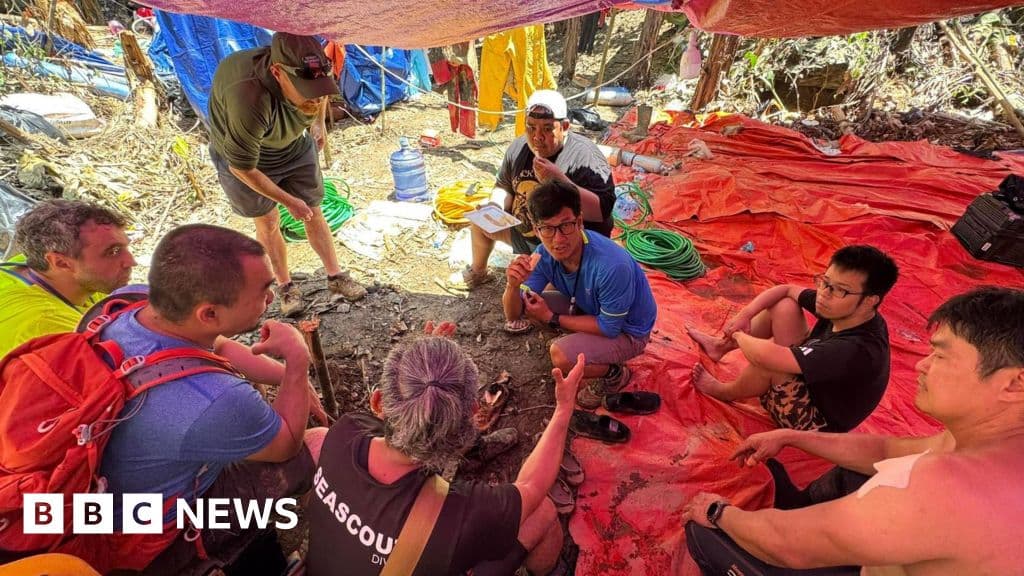
Survivors of the Laos cave rescue are aiding efforts to find the last two missing men trapped inside, sharing crucial insights for the search operation.
BBC World
A year after the tragic Air India crash, the Ali family reflects on grief, unanswered questions, and the enduring bonds of love in the face of loss.
BBC Business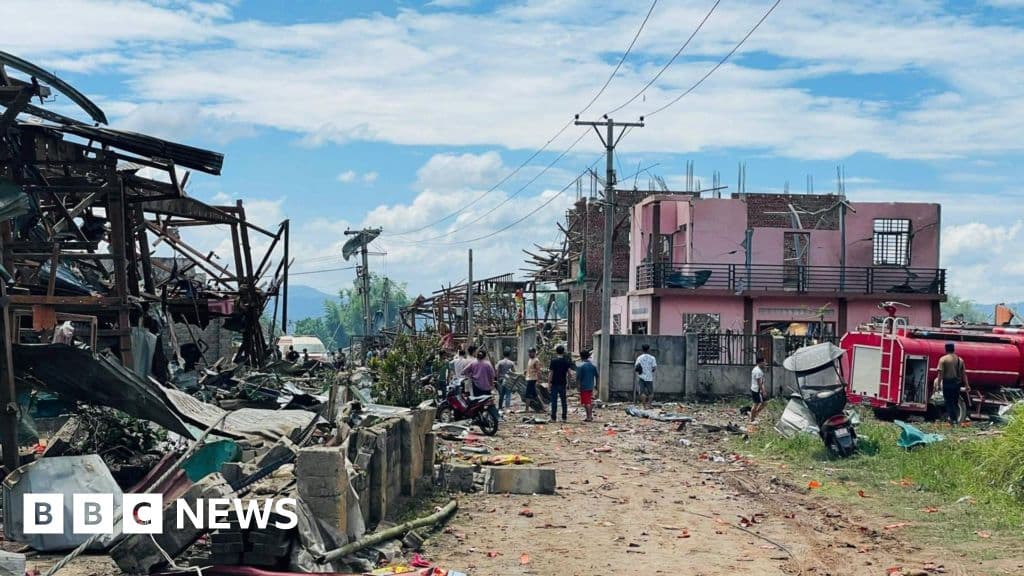
A devastating explosion in Myanmar's Kaung Tat village has killed at least 55 people, raising serious safety concerns and questions about civilian protection in conflict zones.
BBC World