
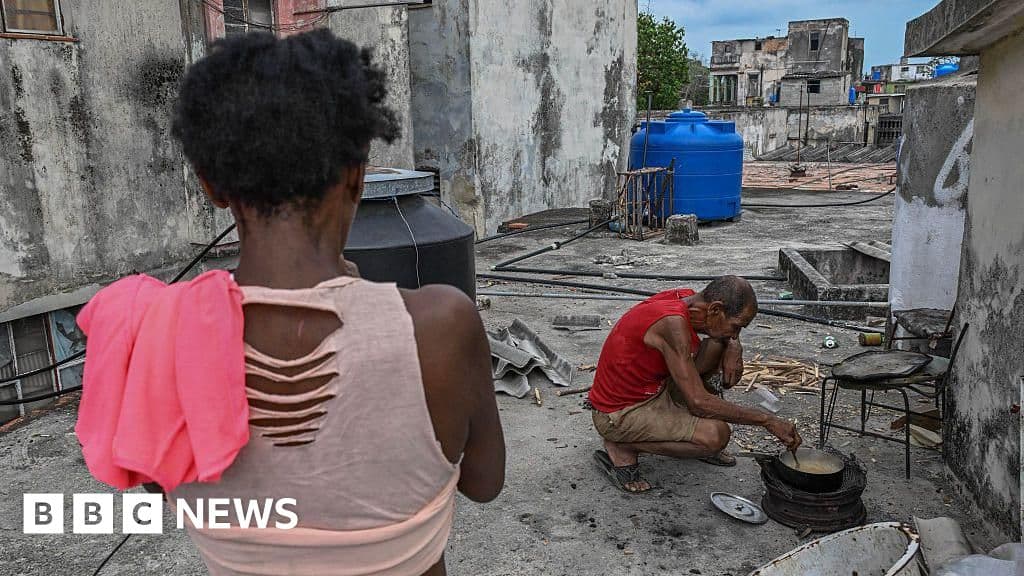
Image: BBC Business
Cuba's energy minister reveals the nation has run out of diesel and fuel oil, igniting protests as the US offers humanitarian aid in exchange for reforms.
GlipzoCuba is currently grappling with a severe fuel crisis, as confirmed by Vicente de la O Levy, the country's energy minister. During a recent interview with state-run media, de la O Levy reported that the nation has completely exhausted its supplies of diesel and fuel oil, with only limited amounts of gas remaining. This dire situation highlights the critical state of Cuba's energy sector, exacerbated by the ongoing US-led blockade that severely restricts oil imports.
The energy minister's comments come in the wake of growing unrest in the capital, Havana, where citizens have taken to the streets in scattered protests over extended power outages. Reports indicate that residents are facing blackouts lasting 20 to 22 hours a day due to the depletion of fuel resources. As a result, essential services like hospitals are struggling to operate, schools and government offices are closing, and the tourism sector—vital for the Cuban economy—is feeling the strain.
De la O Levy emphasized the gravity of the situation, stating, "The sum of the different types of fuel: crude oil, fuel oil, of which we have absolutely none; diesel, of which we have absolutely none - I am being repetitive - the only thing we have is gas from our wells, where production has grown." This stark admission underscores the precariousness of Cuba's energy supply, which has become untenable under the mounting pressures of the blockade.
Cuba has long relied on Venezuela and Mexico for oil imports to sustain its refinery operations. However, the geopolitical landscape shifted dramatically when former US President Donald Trump threatened tariffs on nations supplying fuel to Cuba, prompting these countries to significantly reduce their exports. The implications of this disruption have been far-reaching, resulting in increased hardship for the Cuban population.
Moreover, the situation worsened in May 2023, when the US intensified its blockade by imposing sanctions on senior Cuban officials, citing their involvement in human rights abuses. This action has drawn sharp criticism from Cuban officials, with Foreign Minister Bruno Rodriguez labeling the sanctions as "illegal and abusive."
In response to the escalating crisis, the US government reiterated its offer of $100 million in humanitarian aid to Cuba, contingent upon the implementation of significant reforms within the country's communist regime. This proposal has sparked debate, with some Cuban officials claiming the offer was rejected, a statement that has been denied by the Cuban government.
The US State Department has reiterated its stance, insisting that any humanitarian assistance would be distributed through reputable humanitarian organizations and in conjunction with the Catholic Church. They stated, "The decision rests with the Cuban regime to accept our offer of assistance or deny critical life-saving aid and ultimately be accountable to the Cuban people for standing in the way of critical assistance."
As Cuba continues to grapple with this fuel crisis, the outlook remains bleak. With hospitals and schools struggling to function and protests erupting in the streets, it raises questions about the government's ability to effectively manage the situation. The ongoing US blockade and the lack of reliable oil imports from traditional partners like Venezuela and Mexico pose significant challenges for the island nation.
This crisis is more than just an energy shortage; it reflects the broader socio-political environment in Cuba, where the intersection of international relations and domestic policy is under scrutiny. The humanitarian implications are profound, as the Cuban people face increasing hardships with limited resources.
The international community is watching closely to see how the situation evolves. Will Cuba accept the US's offer for aid, or will the government continue to navigate these turbulent waters independently? The decisions made in the coming weeks could have lasting impacts on the lives of everyday Cubans as well as on the political landscape of the region.
In conclusion, as the fuel crisis in Cuba deepens, citizens are left to confront the realities of daily life without essential resources. The potential for change lies in the hands of both the Cuban government and foreign entities, making it imperative to monitor developments closely. What happens next will not only shape the immediate circumstances of the Cuban people but could also redefine the country's relationship with the rest of the world.
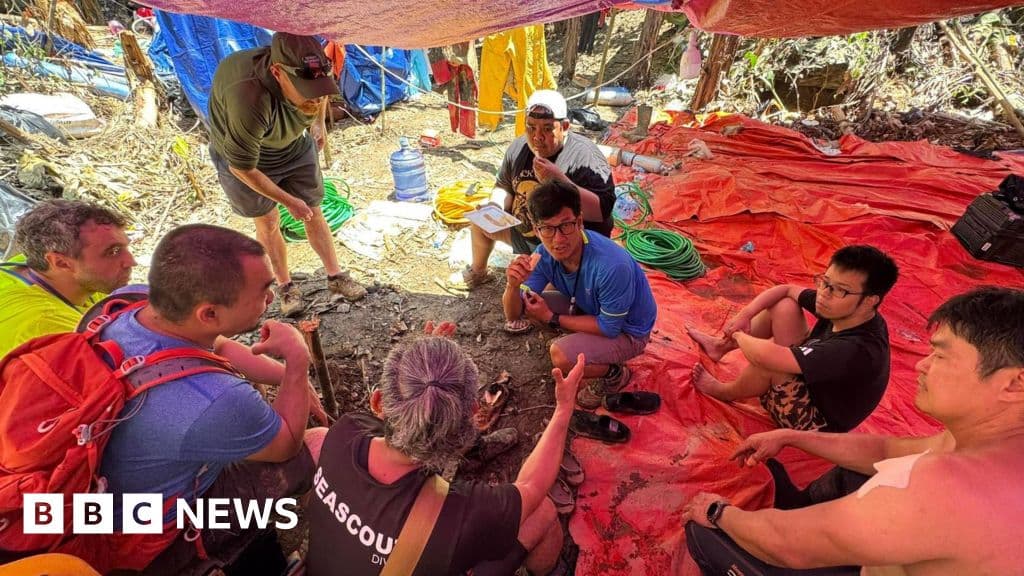
Survivors of the Laos cave rescue are aiding efforts to find the last two missing men trapped inside, sharing crucial insights for the search operation.
BBC World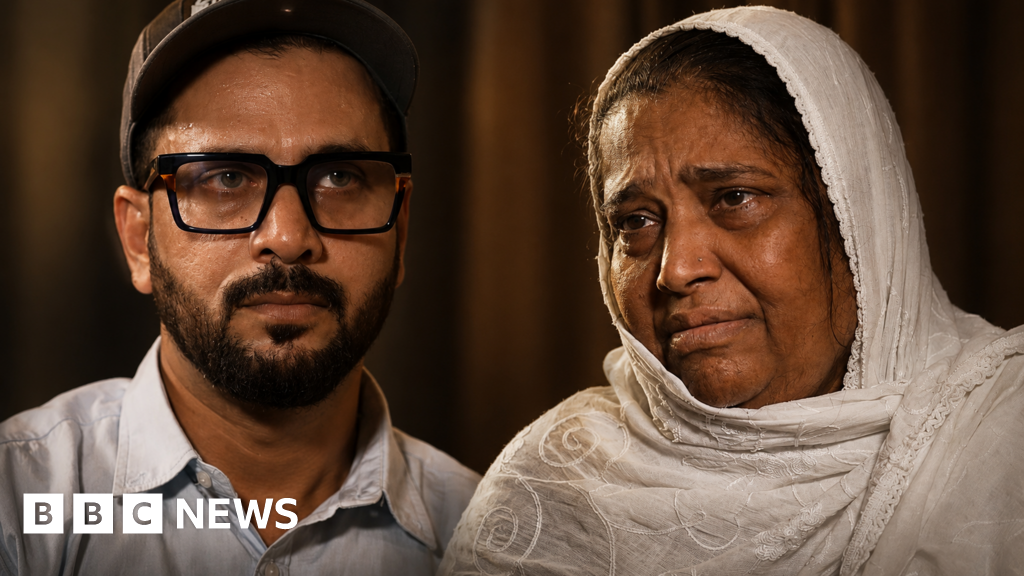
A year after the tragic Air India crash, the Ali family reflects on grief, unanswered questions, and the enduring bonds of love in the face of loss.
BBC Business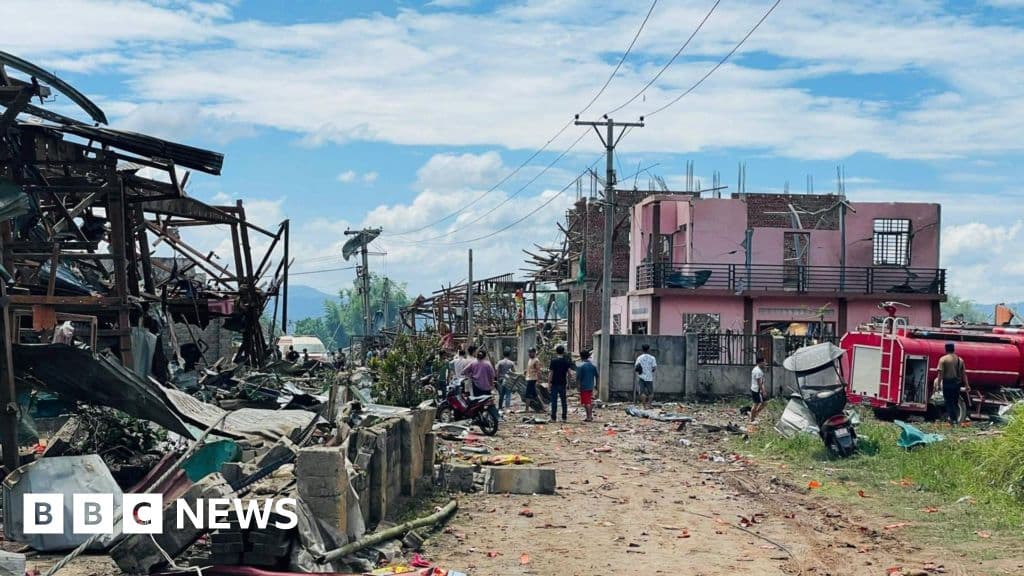
A devastating explosion in Myanmar's Kaung Tat village has killed at least 55 people, raising serious safety concerns and questions about civilian protection in conflict zones.
BBC World