
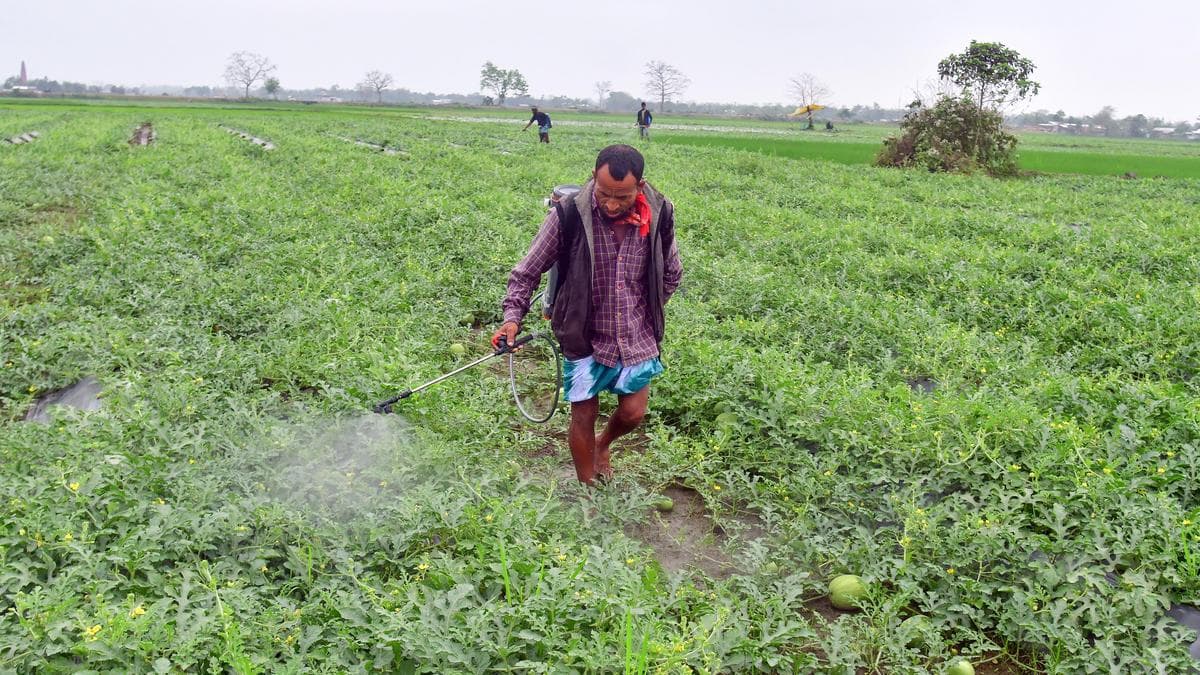
Image: The Hindu
Pesticide prices in India could soar by 20-25% due to war disruptions. Farmers face challenges as the kharif season approaches. What’s next?
GlipzoThe ongoing conflict in West Asia has prompted serious concerns within the pesticide industry in India, with experts predicting a 20-25% increase in prices for pesticides and crop protection chemicals. This alarming forecast was made by CropLife India, a prominent organization representing various pesticide manufacturers, which cited rising fuel costs and ongoing supply chain disruptions as key factors behind the impending price hikes.
In a statement released on March 20, 2026, Ankur Aggarwal, Chairman of CropLife India, emphasized the potential impact of these changes on farmers and the agricultural sector as a whole. He stated that the disruptions to essential supply chains and shipping routes due to the conflict could significantly increase input costs for the crop protection industry, leading to higher prices for farmers. The timing is particularly concerning as the kharif season—a critical agricultural period—approaches its onset at the end of this month.
Aggarwal elaborated on the ramifications of the situation, indicating that the supply chain disruptions could lead to a scarcity of certain crop protection products. This scarcity risks diminishing both the yield and quality of agricultural produce, which is vital for food security and economic stability in the region. The kharif season, which encompasses the sowing of various crops, is a crucial time for farmers, making it essential that they have access to reliable agricultural inputs.
Furthermore, the chairman highlighted that the pesticide industry may experience lower capacity utilization across its technical and formulation plants during this challenging period. This decline in production capacity could adversely affect industry earnings and employment, especially among Micro, Small, and Medium Enterprises (MSMEs) that make up a significant portion of the sector.
As the situation unfolds, Aggarwal has called for immediate support and incentives from the government to enhance local production capabilities. He stressed the importance of boosting domestic manufacturing to mitigate the adverse effects of global supply chain issues. Efforts to increase local production could help stabilize prices and ensure farmers have access to necessary agricultural inputs during critical farming seasons.
Additionally, Aggarwal expressed concerns about the potential rise of illicit, counterfeit, or substandard products in the market. The combination of supply gaps and price volatility may drive some individuals to seek cheaper, potentially harmful alternatives, which could further jeopardize agricultural productivity and safety. He urged stakeholders to remain vigilant and activate monitoring mechanisms to combat the circulation of such fraudulent products.
The potential increase in pesticide prices is particularly concerning for farmers, who are already grappling with various financial pressures. The agricultural sector is a cornerstone of the Indian economy, and any disruptions can have far-reaching effects on food production and rural livelihoods. The kharif season is vital for crops like rice, maize, and pulses, and any increase in input costs could lead to higher prices for consumers as well.
As the situation develops, all eyes will be on how the government responds to these pressing challenges in the pesticide industry. Will there be swift measures taken to support local production, or will the market be left to navigate these tumultuous waters alone? Furthermore, the agricultural sector’s ability to adapt to these changes will be crucial, particularly as farmers prepare for the upcoming kharif season. The ramifications of this conflict extend beyond immediate price increases; they have the potential to reshape agricultural practices and consumer prices in the long term.
In conclusion, the interplay between global conflicts and local agricultural markets serves as a stark reminder of the interconnectedness of our world. The coming weeks will be instrumental in determining the trajectory of pesticide prices and agricultural productivity as stakeholders work to mitigate the fallout from these geopolitical tensions.
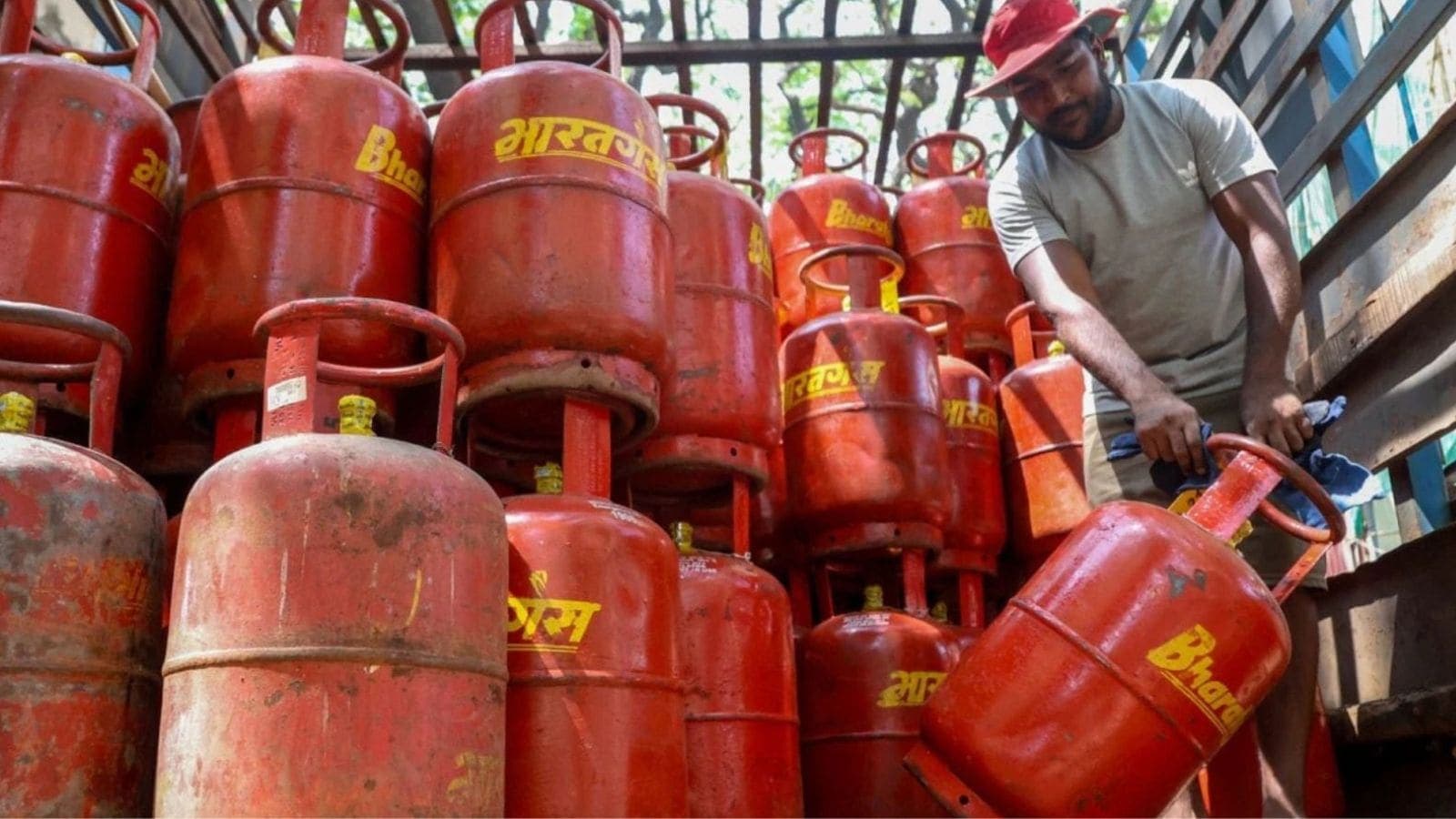
Commercial LPG prices have risen again, with increases of ₹42 in Delhi and ₹53.50 in Kolkata impacting businesses and consumers alike. Find out more.
Indian Express
Discover how a tragic coal mine explosion in Shanxi, China, reveals ongoing safety concerns in the industry amidst a push for green energy.
BBC Business
Montek Singh Ahluwalia highlights key economic challenges for India, emphasizing the need for a strategic approach to balance payments and investment.
Indian Express