
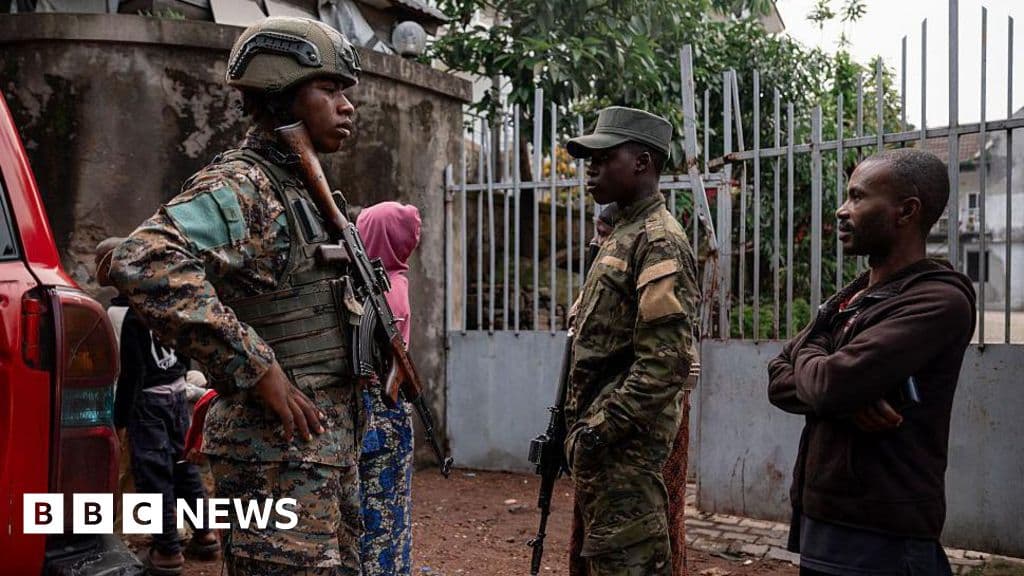
Image: BBC World
DR Congo and Rwanda take steps to ease tensions after US talks. Discover the implications of this critical agreement for regional stability.
GlipzoIn a significant diplomatic development, the Democratic Republic of Congo (DR Congo) and Rwanda have committed to taking "concrete steps" aimed at easing ongoing tensions following discussions held in Washington, D.C. This move comes in the wake of a stalled peace process that has plagued the region, particularly in its eastern territories, where conflict has persisted despite prior agreements.
The talks, facilitated by the United States, are a response to escalating hostilities in the region, particularly involving the M23 rebel group. In recent weeks, the U.S. imposed sanctions on four senior Rwandan officials and the Rwandan Defence Forces, citing their alleged support for the M23, which has been accused of exacerbating the security situation in eastern DR Congo.
The joint statement issued by the leaders of DR Congo, Rwanda, and the U.S. outlines a framework for de-escalation. Key components of this agreement include: - Mutual respect for sovereignty and territorial integrity between both nations. - Rwanda's commitment to withdraw its forces and lift "defensive measures" in specified areas of DR Congo. - DR Congo's promise to enhance efforts to neutralize the Democratic Forces for the Liberation of Rwanda (FDLR), a militia linked to the 1994 Rwandan genocide.
This cooperative approach aims to not only quell immediate tensions but also lay the groundwork for a more enduring peace in the region. Each country's responsibilities highlight the intricate balance between addressing security threats while respecting national boundaries.
For Rwanda, the presence of the FDLR in eastern DR Congo is a critical security concern. The FDLR, which includes individuals responsible for the 1994 Rwandan genocide, poses a persistent threat to Rwanda’s stability. The Rwandan government refers to the FDLR as a "genocidal militia", emphasizing the urgency of neutralizing this group to prevent further violence.
Despite Rwanda’s assertions of its military presence being solely defensive, the complexities of regional politics have led to accusations of interference in DR Congo's internal matters. Rwanda has consistently denied supporting the M23 rebels, claiming that any military actions are necessary for its national security against armed groups operating from DR Congo.
This recent agreement follows a December 2022 peace deal brokered by the U.S. aimed at resolving the long-standing conflict. However, the situation quickly deteriorated as the M23 captured the city of Uvira, marking a significant escalation shortly after the peace agreement was signed. Although they withdrew under U.S. pressure, the M23 continues to control substantial territories in eastern DR Congo, including key urban centers like Goma and Bukavu.
The U.S. sanctions earlier in the month highlighted the potential for a broader conflict, warning that Rwandan military support for the M23 could lead to a regional war. This alarming statement underscores the fragile nature of peace in the region and the critical role of international diplomacy.
Rwanda's government responded strongly to the U.S. sanctions, arguing that they unfairly target Rwanda and misrepresent the actual dynamics of the conflict. They contend that the DR Congo has been violating the peace agreement through aggressive military actions, including drone strikes and ground offensives against Rwandan interests. This blame game illustrates the complex interplay of narratives that complicate the peace process.
The agreement reached in Washington is a crucial step towards addressing the deep-seated issues fueling conflict in the region. The commitment from both nations to de-escalate tensions provides a glimmer of hope for the millions affected by the violence in eastern DR Congo. However, the success of this pledge will depend on effective implementation and ongoing dialogue among the stakeholders involved.
As both countries navigate their commitments, the international community will be watching closely. The next steps will be critical in determining whether this agreement can lead to lasting peace or if the cycle of conflict will continue. Future developments will likely hinge on how each country addresses the underlying grievances that have historically fueled tensions.
The potential for renewed conflict remains high, and diplomatic efforts must be sustained to prevent a relapse into violence. Continued engagement from the U.S. and other international partners is essential to ensure that both nations adhere to their commitments and work towards a stable and secure future for the region.
As the situation unfolds, observers will be keenly interested in how both DR Congo and Rwanda execute their promises. The commitment to engage constructively is commendable, yet the road ahead is fraught with challenges. The world watches as these two nations strive for peace amidst a backdrop of historical grievances and regional instability. What remains to be seen is whether this latest diplomatic effort will yield tangible results in the quest for lasting peace in the Great Lakes region.
For more updates on this evolving situation, stay tuned to trusted news sources and follow the ongoing discourse surrounding one of Africa's most turbulent regions.
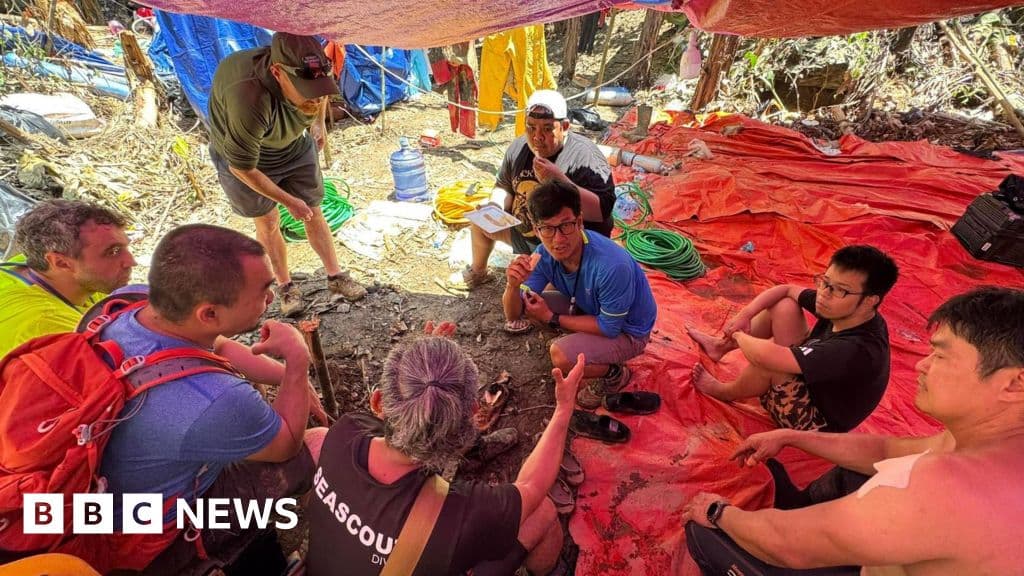
Survivors of the Laos cave rescue are aiding efforts to find the last two missing men trapped inside, sharing crucial insights for the search operation.
BBC World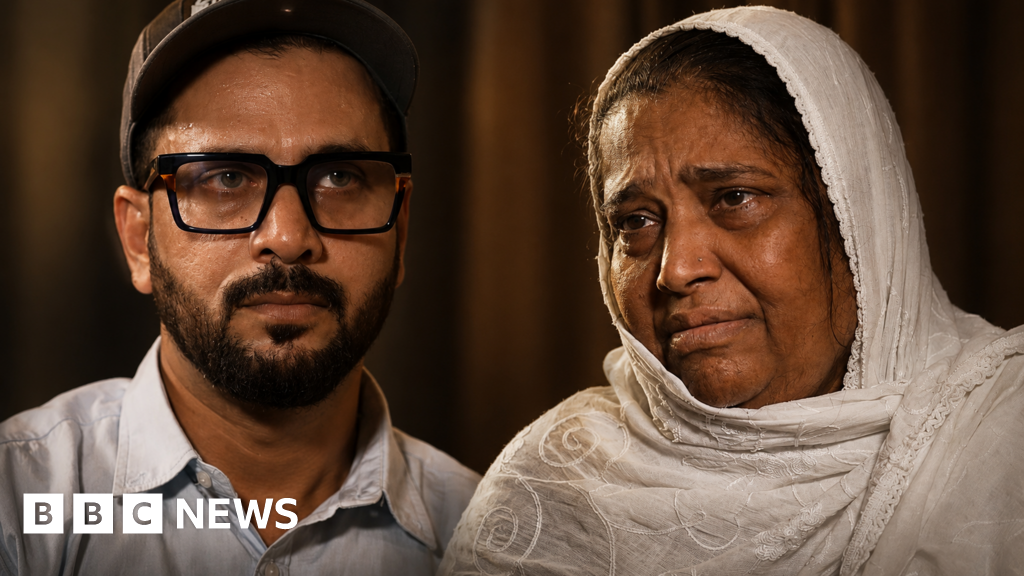
A year after the tragic Air India crash, the Ali family reflects on grief, unanswered questions, and the enduring bonds of love in the face of loss.
BBC Business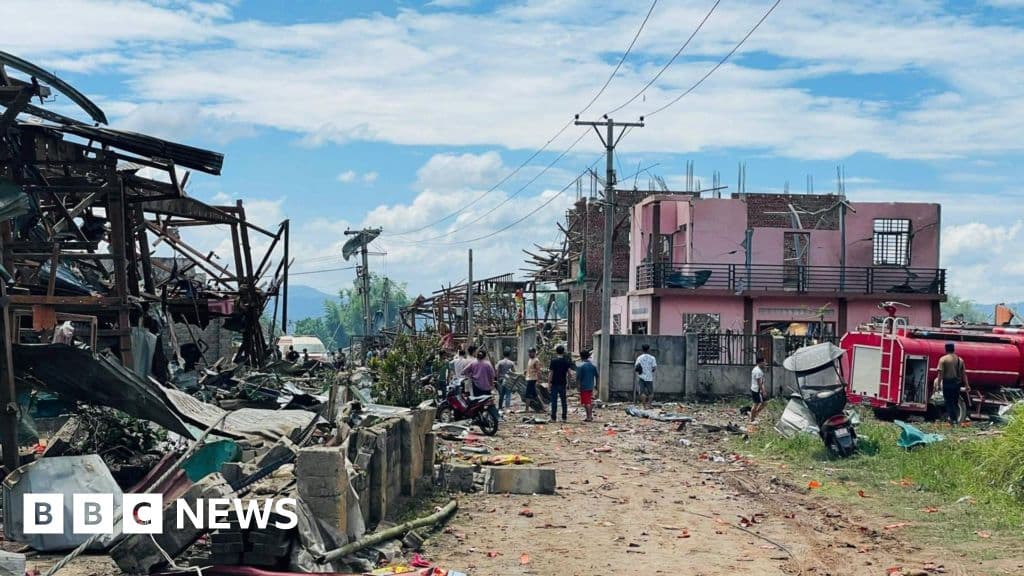
A devastating explosion in Myanmar's Kaung Tat village has killed at least 55 people, raising serious safety concerns and questions about civilian protection in conflict zones.
BBC World