

Image: BBC Business
European airlines may turn to US-grade jet fuel to offset looming shortages due to the US-Israel conflict. Will this solution stabilize supply chains?
GlipzoAs tensions escalate in the Middle East, particularly due to the ongoing US-Israel conflict with Iran, European airlines are facing potential fuel shortages that could disrupt operations. In response to this looming crisis, key international aviation bodies have proposed the use of US-grade jet fuel to combat possible supply issues. This initiative comes as the International Air Transport Association (IATA) and the European Aviation Safety Agency (EASA) suggest that embracing US-grade fuel could be a practical measure to ensure uninterrupted flight services across Europe.
The IATA has emphasized the need for broader acceptance of US-grade jet fuel, stating that it could help mitigate any impending supply disruptions. Meanwhile, the EASA has taken proactive steps by developing safety guidelines that outline how US-supplied fuel can be integrated into the European market. These guidelines also address the inherent risks associated with this transition, ensuring that safety remains a priority.
According to the European Union, there are currently no regulatory barriers preventing European airlines from utilizing US-grade fuel, as long as it is done safely. This assertion stands in light of the 50% increase in jet fuel prices experienced by European airlines since the onset of the conflict in the region.
In a blog post, Stuart Fox, IATA's director of flight and technical operations, warned that if instability in the Middle East continues, it could lead to fuel shortages in various parts of the world. This statement underscores the urgency of the situation and the need for swift action.
In commercial aviation, there are primarily two types of jet fuel: Jet A-1, which is the global standard for most international flights, and Jet A, predominantly used in North America. Both fuels are kerosene-based, but they do have differences; notably, Jet A-1 has a lower freezing point, making it suitable for long-haul and polar routes.
As the conflict destabilizes supplies from the Gulf region, Europe—typically reliant on these imports—is feeling the pinch. While increased shipments of Jet A from the US have partially alleviated the shortfall, the challenge remains that many US refineries are not equipped to produce Jet A-1 at scale. This limitation complicates the effort to meet European demand fully.
In his blog post, Fox emphasized that the ongoing conflict could place additional pressure on European fuel supplies. He suggested that switching to Jet A, which is produced in larger quantities outside the Gulf region, could offer a viable solution. Notably, he pointed out that North American airlines have successfully utilized Jet A in various climates, including extremely cold areas like parts of Alaska, by using specific fuel additives and meticulous flight planning.
In light of these developments, the EASA has issued a safety information bulletin, providing crucial guidance for fuel suppliers and operators in airports. The agency reassured stakeholders that introducing Jet A in Europe wouldn't pose safety concerns, provided it’s managed effectively. However, they caution that improper management could lead to aircraft operating outside safe limits, potentially exacerbating risks associated with inconsistent fuel grades across different airports.
The EASA's guidance highlights the importance of structured management when transitioning to Jet A. They state, "If it is introduced without proper management, it could result in an aircraft flying outside of its safe operating limits." This warning underscores the critical need for a coordinated approach to ensure safety during this transition period.
On the same day, British Airways' parent company, IAG, reported that they currently face no fuel availability issues in their primary markets. However, they acknowledged that the ongoing conflict could lead to restrictions in the global supply of jet fuel, emphasizing the need for vigilance.
The implications of this situation extend beyond just airlines. With the potential for fuel shortages looming, the European aviation industry must act swiftly to adapt and implement solutions. The integration of US-grade jet fuel could be a game-changer, allowing for more flexibility in fuel sourcing, potentially lowering costs, and ensuring that flights remain operational during times of geopolitical strife.
As the situation evolves, industry stakeholders will need to monitor developments closely. Future discussions around fuel supply and safety will be critical, especially as the Middle East conflict continues to impact global oil flows. The collaboration between US and European aviation authorities may pave the way for more resilient supply chains in the future.
As we look forward, the aviation industry must prepare for a variety of scenarios. Will the conflict in the Middle East escalate further, prompting even greater fuel shortages? Or will the adoption of US-grade jet fuel stabilize the supply chain and ensure uninterrupted air travel across Europe?
One thing is clear: the aviation sector must remain agile and responsive to changing conditions. As the situation unfolds, all eyes will be on how effectively airlines and regulatory bodies can collaborate to maintain safety and operational efficiency in these uncertain times.
In summary, the use of US-grade jet fuel presents a potential lifeline for European airlines, but careful management and communication will be key to successfully navigating this challenge.
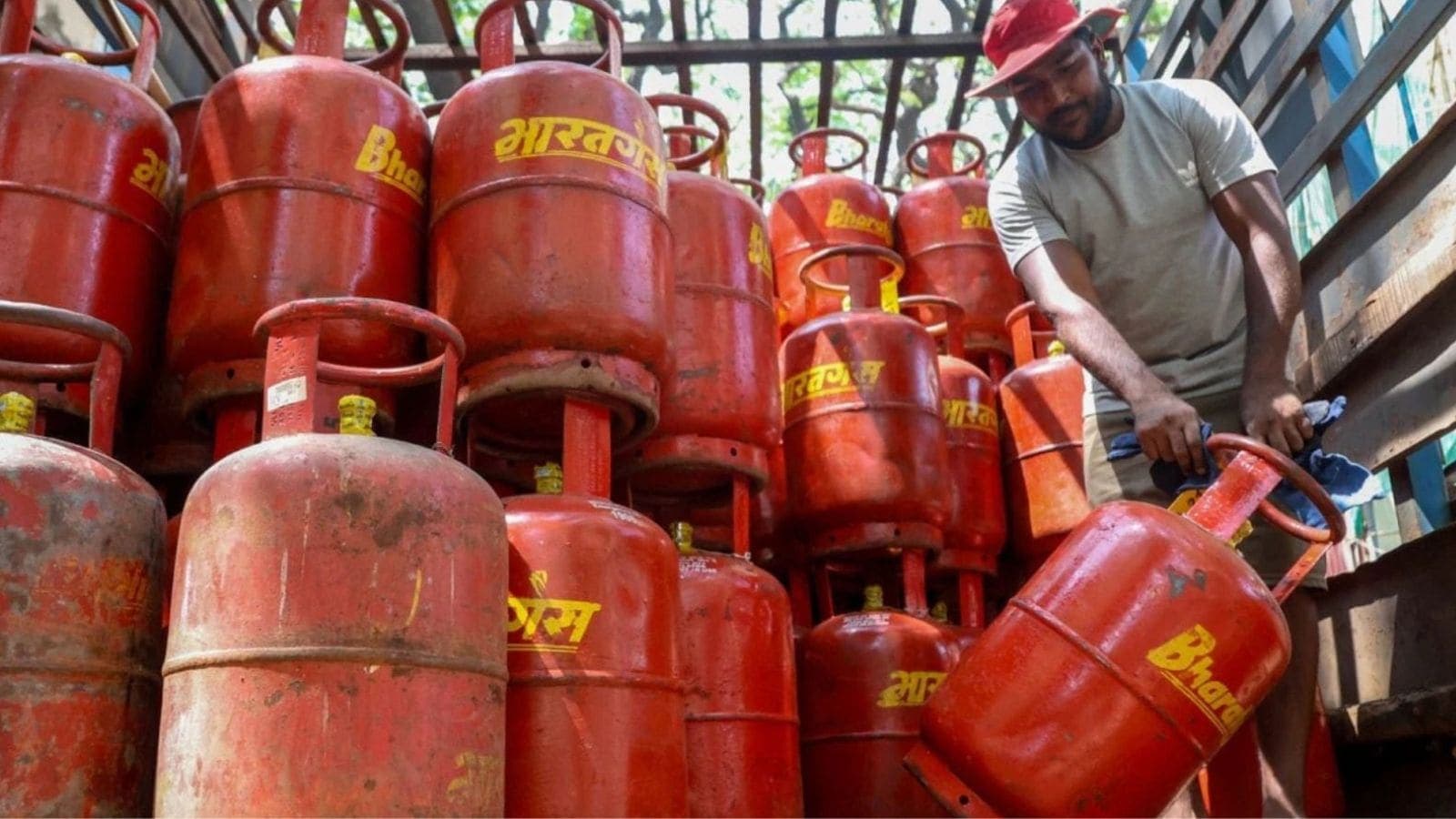
Commercial LPG prices have risen again, with increases of ₹42 in Delhi and ₹53.50 in Kolkata impacting businesses and consumers alike. Find out more.
Indian Express
Discover how a tragic coal mine explosion in Shanxi, China, reveals ongoing safety concerns in the industry amidst a push for green energy.
BBC Business
Montek Singh Ahluwalia highlights key economic challenges for India, emphasizing the need for a strategic approach to balance payments and investment.
Indian Express