
Image: Mint (Business)
Discover the latest LPG cylinder prices for March 28, 2026, and understand the impact of geopolitical tensions on India's energy security.
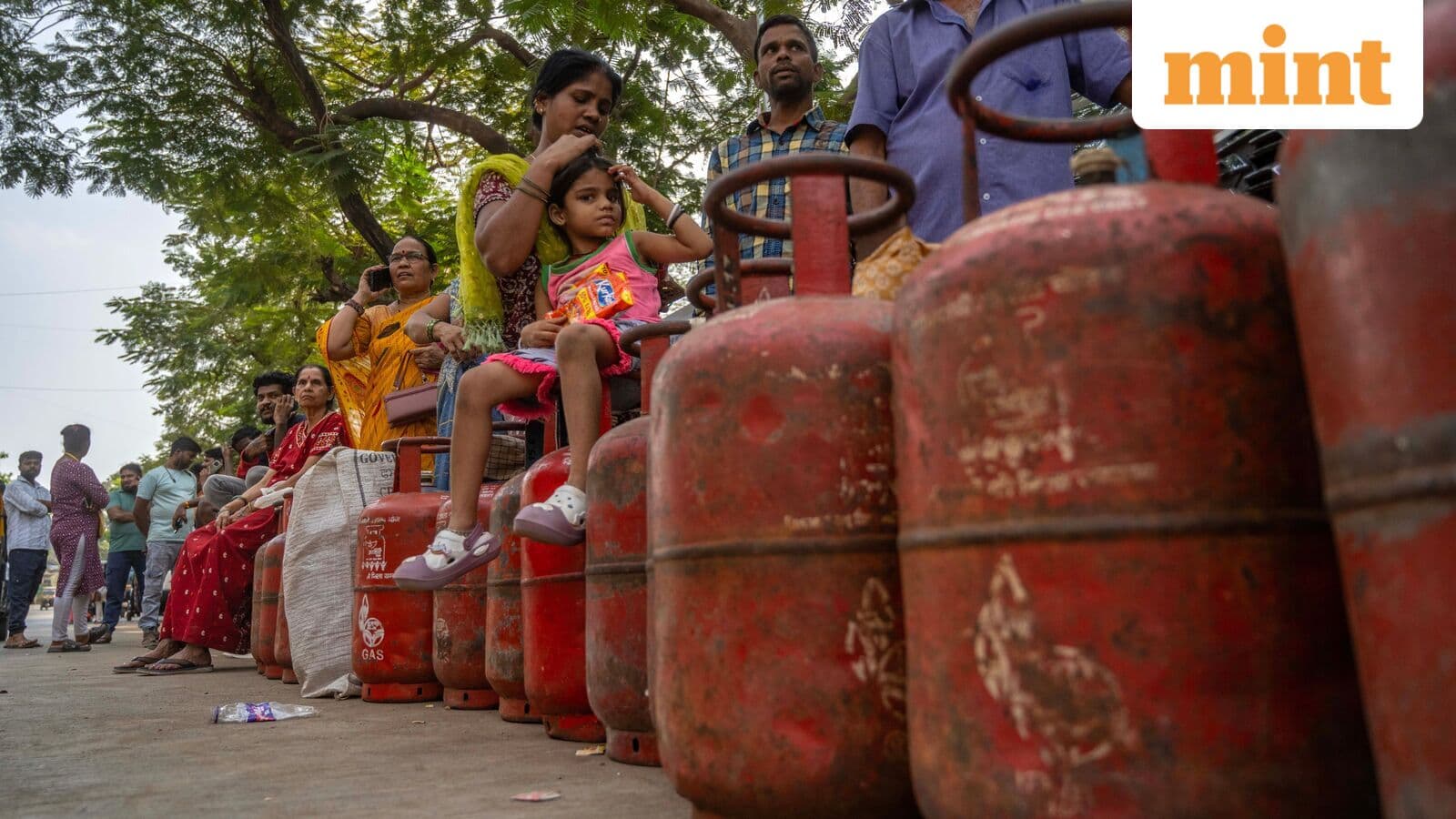
GlipzoIndia's energy landscape is currently facing significant challenges as geopolitical tensions between the United States and Iran disrupt vital supply chains throughout West Asia. With approximately 60% of the country's Liquefied Petroleum Gas (LPG) sourced from this region, the ongoing crisis has prompted Indian authorities to reassess their supply strategies. This is essential to protect domestic consumers from both price volatility and potential shortages.
In light of recent events, including major supply disruptions caused by issues in Qatar, India's primary supplier, the government has prioritized LPG distribution for household use and critical sectors. This strategic move aims to ensure that essential needs are met amidst the shifting energy landscape.
The situation has been further complicated by the effective closure of the Strait of Hormuz, which has historically served as a key shipping route. This strait is crucial for the transit of about 20% of the world's oil and gas shipments. The blockade imposed by Tehran has led to the necessity of a complete overhaul of maritime logistics, impacting global fuel supply chains significantly.
Earlier this month, the Indian government responded to these disruptions by increasing the prices of both domestic and commercial LPG cylinders. Specifically, the cost of a 14.2 kg domestic cooking gas cylinder saw a hike of ₹60, while the 19 kg commercial cylinder price surged by ₹144 in major cities. Notably, no further price adjustments have been made since those initial changes.
As of March 28, 2026, the following are the LPG cylinder prices in major metropolitan areas across India: - Bengaluru: ₹1,100 (domestic), ₹2,100 (commercial) - Delhi: ₹1,050 (domestic), ₹2,050 (commercial) - Mumbai: ₹1,080 (domestic), ₹2,080 (commercial) - Hyderabad: ₹1,070 (domestic), ₹2,070 (commercial)
These prices reflect the ongoing adjustments made in response to the current geopolitical climate, which continues to affect supply chains.
In a proactive step to stabilize fuel availability, the Indian government announced an increase in commercial LPG allocations to states by 20%, raising the quota to 70% of pre-war levels. This adjustment is designed to meet the needs of industries crucial to the economy, such as steel, automobiles, textiles, and chemicals.
Oil Secretary Neeraj Mittal emphasized in a communication to state chief secretaries that this additional cooking fuel must be prioritized for labor-intensive sectors, ensuring that essential industries receive the support they require during these challenging times.
Despite the government's efforts, several regions in India are still experiencing tight LPG supplies. The Centre has acknowledged that the ongoing geopolitical situation continues to influence supply but reassured the public that there are no reports of complete dry-outs. Deliveries of cylinders are proceeding as normal, mitigating fears of an imminent crisis.
To further address potential supply issues, the government is encouraging both households and commercial entities to transition to piped natural gas (PNG). This alternative is viewed as a more convenient and sustainable option, allowing for domestic production and diversified sourcing of gas.
Recent statements from the government indicate that India currently has approximately 60 days of fuel stock cover available, dismissing rumors of shortages as a **
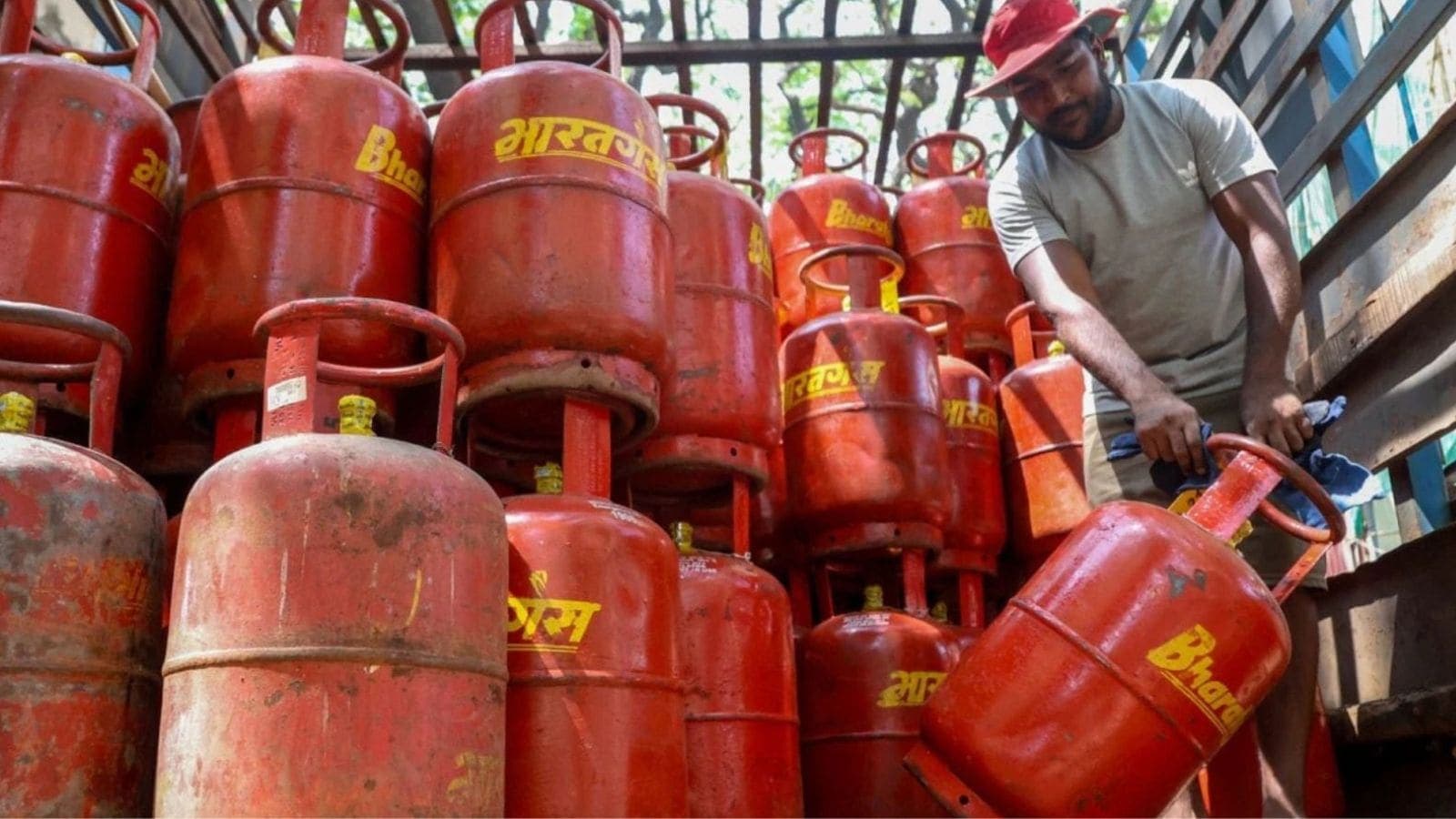
Commercial LPG prices have risen again, with increases of ₹42 in Delhi and ₹53.50 in Kolkata impacting businesses and consumers alike. Find out more.
Indian Express
Discover how a tragic coal mine explosion in Shanxi, China, reveals ongoing safety concerns in the industry amidst a push for green energy.
BBC Business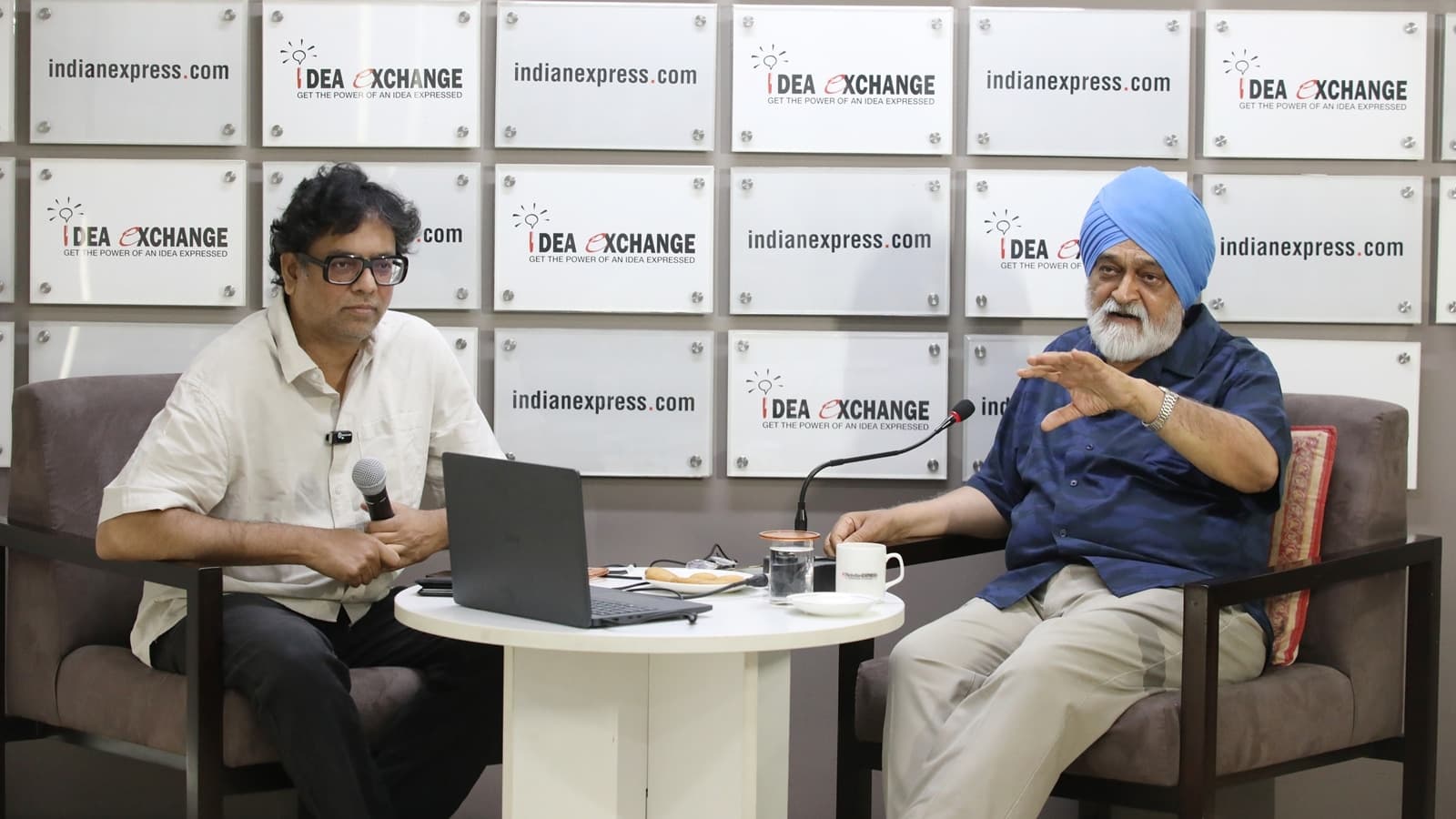
Montek Singh Ahluwalia highlights key economic challenges for India, emphasizing the need for a strategic approach to balance payments and investment.
Indian Express