
Image: The Hindu
Production costs in the textile industry soar due to tensions in West Asia, affecting prices from yarn to garments. Find out why this matters.
GlipzoThe textile industry is facing a significant surge in production costs, primarily due to escalating prices of essential inputs such as yarn, dyes, and logistics. These increases are directly linked to ongoing tensions in West Asia, a region crucial for the supply of raw materials and fuel that the textile sector relies on heavily. The importance of this area cannot be overstated, as a substantial portion of textiles are made from materials derived from crude oil and other petrochemical products.
The current crisis has led to increased costs across various stages of production. From polyester and nylon to an array of dyeing chemicals, the price hikes are being felt throughout the supply chain. As businesses navigate these challenges, many processing units have begun raising their charges, further compounding the issue and leading to a ripple effect that could impact retail prices.
Industry experts have voiced their concerns about the potential long-term implications of these rising costs. According to sources within the textile and garment sectors, the pressure is palpable. If the situation in West Asia does not stabilize soon, consumers can expect noticeable increases in fabric and garment prices.
This situation has created a sense of urgency among manufacturers and suppliers, as any prolonged instability could lead to significant financial strain across the industry.
The textile industry is not just a significant sector in many countries but also a vital economic driver. The repercussions of these cost increases extend beyond just the businesses involved. Consumers may soon encounter higher prices for clothing and home textiles, which could lead to reduced spending in other areas of the economy. Furthermore, smaller businesses might find it increasingly difficult to compete against larger firms that can absorb these cost hikes more easily.
The dependence on West Asia for essential materials highlights the vulnerabilities of global supply chains. As these tensions escalate, it brings to light the need for the textile industry to explore alternative sourcing options or consider local production methods to mitigate risks associated with geopolitical instability.
Looking ahead, the textile industry must brace itself for ongoing challenges. The current geopolitical climate in West Asia shows little sign of resolution, which could mean sustained pressure on costs for the foreseeable future. Manufacturers and retailers need to strategize on how to adapt to these changing conditions to maintain profitability while keeping prices reasonable for consumers.
As the situation unfolds, all eyes will be on how the textile industry navigates these turbulent waters. Stakeholders will need to be proactive in addressing these challenges, ensuring that they can continue to deliver quality products without alienating their customer base due to rising costs. The resilience of the industry will be tested as it seeks to balance economic pressures with the need for sustainable practices and ethical sourcing.
In conclusion, while the situation in West Asia presents significant hurdles, it also offers an opportunity for the textile industry to reevaluate its dependencies and push for innovation, potentially leading to a more resilient future.
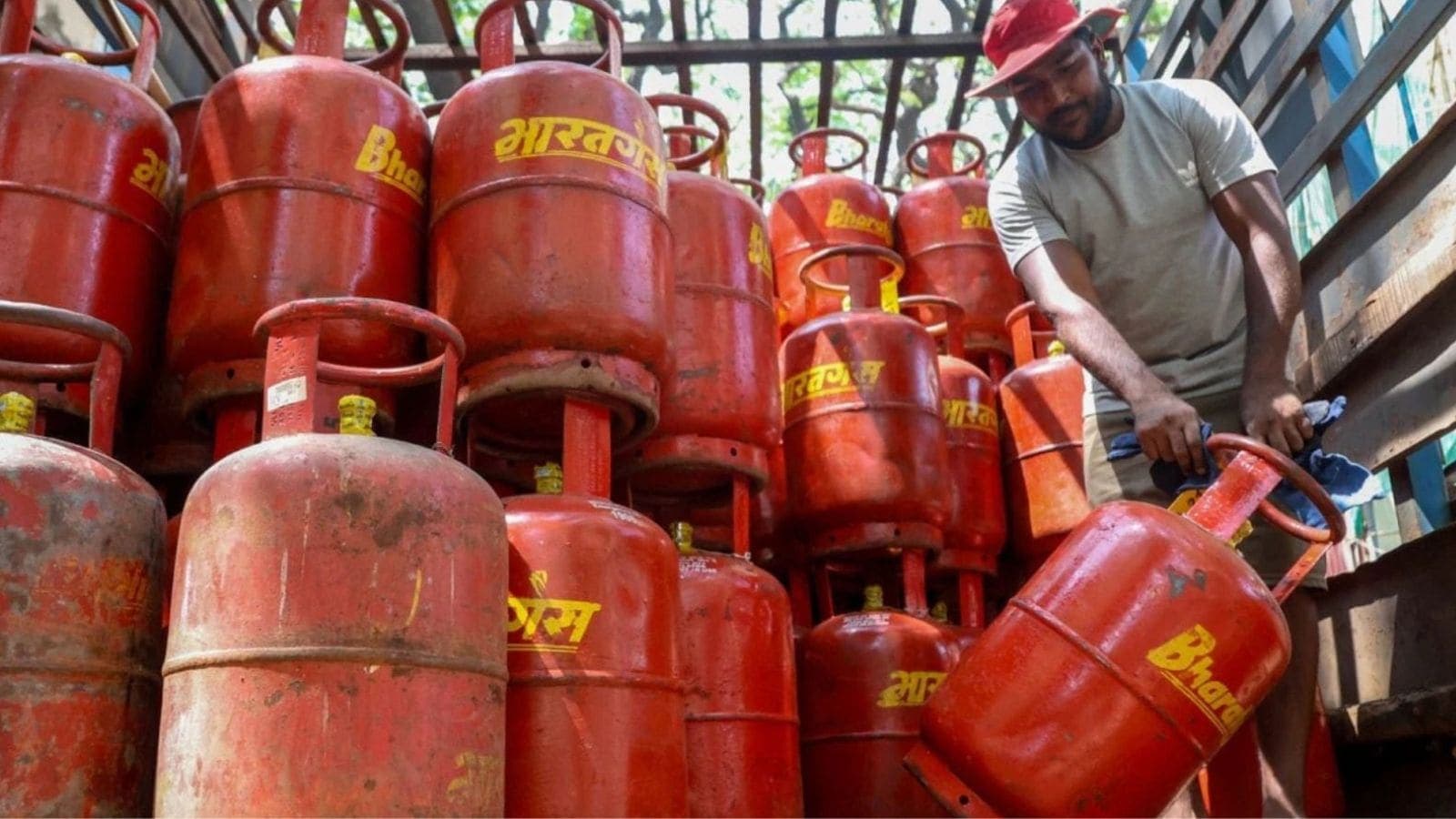
Commercial LPG prices have risen again, with increases of ₹42 in Delhi and ₹53.50 in Kolkata impacting businesses and consumers alike. Find out more.
Indian Express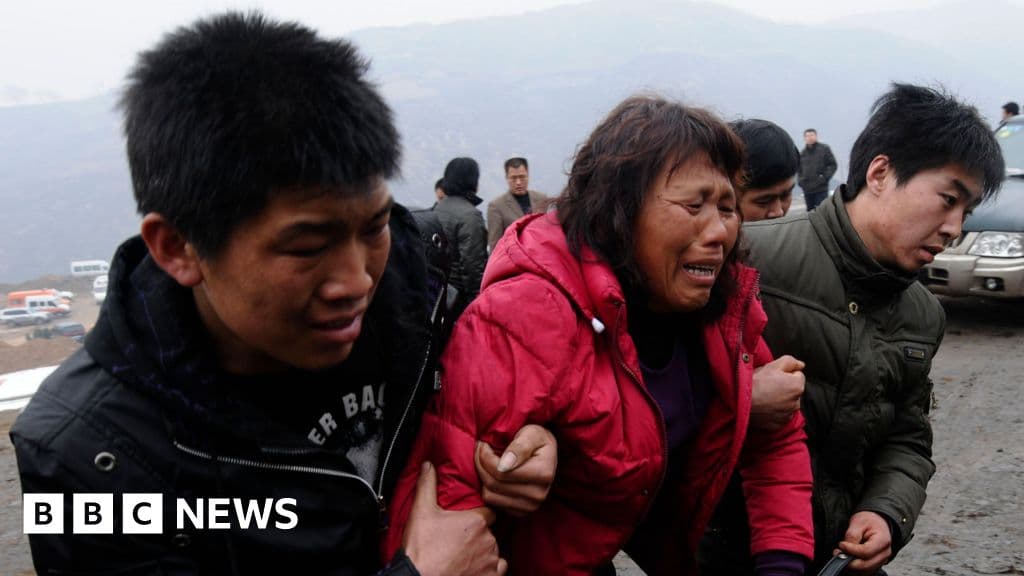
Discover how a tragic coal mine explosion in Shanxi, China, reveals ongoing safety concerns in the industry amidst a push for green energy.
BBC Business
Montek Singh Ahluwalia highlights key economic challenges for India, emphasizing the need for a strategic approach to balance payments and investment.
Indian Express