
Image: Mint (Business)
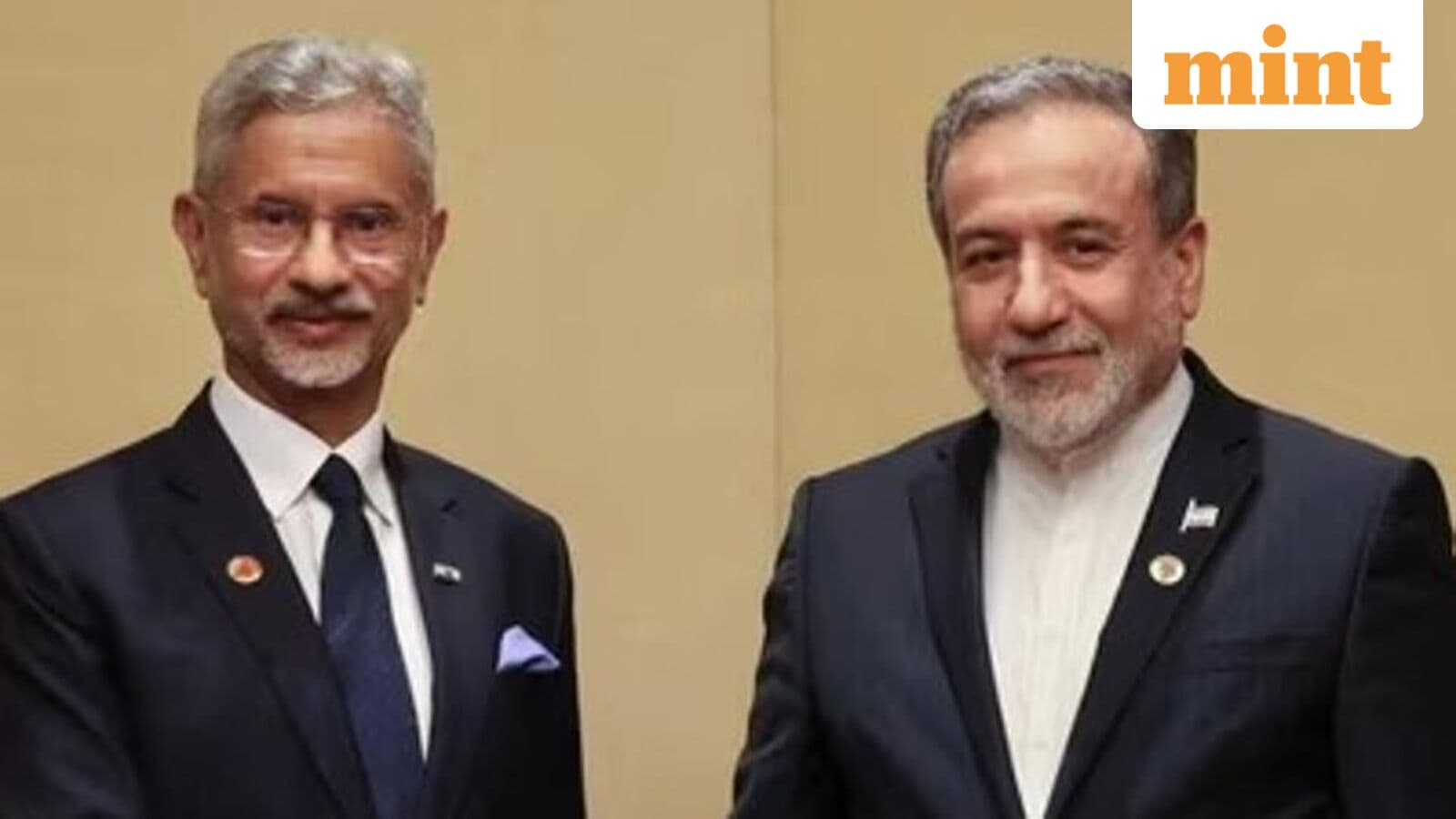
On March 15, External Affairs Minister S. Jaishankar expressed optimism over ongoing discussions with Iran aimed at facilitating shipping through the vital Strait of Hormuz. This narrow waterway has recently become a hotspot for geopolitical tensions, significantly affecting oil and fuel shipments across the region. Jaishankar stated, “I am at the moment engaged in talking to them, and my talking has yielded some results,” emphasizing the importance of dialogue in these turbulent times.
The talks have been characterized by a series of four phone conversations between Jaishankar and his Iranian counterpart, Abbas Araghchi. These discussions arise in the wake of Iran’s decision to close the Strait, a move that has raised alarms over potential disruptions in oil supply to various countries. Jaishankar's comments underscore a strategic shift towards diplomacy rather than military action, stating, “Certainly, from India’s perspective, it is better that we reason and we co-ordinate and we get a solution than we don’t.”
The backdrop of these discussions is marked by escalating tensions in West Asia, particularly following the February 28 airstrikes by the United States and Israel that resulted in the death of Iran’s Supreme Leader, Ayatollah Ali Khamenei. In retaliation, Iran launched strikes against American and Israeli targets in the region, leading to significant disruptions in maritime security and raising concerns over global energy markets.
As a result of these hostilities, oil prices have surged above $100 per barrel, prompting fears of rising inflation worldwide. Jaishankar pointed out that recent maritime activity, including the passage of two Indian-flagged liquefied petroleum gas carriers, illustrates progress fostered through diplomatic channels. The vessels, Shivalik and Nanda Devi, transported approximately 92,712 metric tonnes of LPG destined for India’s ports in Mundra and Kandla.
Despite these positive developments, Jaishankar clarified that there is no formal arrangement in place between India and Iran regarding the operation of Indian-flagged vessels through the Strait. He firmly stated, “It’s not an exchange issue,” highlighting that the relationship between India and Iran is not contingent upon concessions. Rather, he described the ongoing conflict as “very unfortunate,” emphasizing India’s long-standing commitment to maintaining peace in the region.
Prime Minister Narendra Modi also weighed in on the situation during a conversation with Iranian President Masoud Pezeshkian on March 12. Modi expressed concern over escalating violence, civilian casualties, and damage to regional infrastructure. He reiterated India’s dedication to peace and stability, advocating for dialogue and diplomatic solutions to resolve the crisis.
The Strait of Hormuz serves as a crucial conduit for oil transportation, with approximately 20% of the world’s oil supply passing through its narrow waters. Iran's threats to block oil exports—asserting that “not even a single litre” would be allowed for their adversaries—have raised alarms in global markets. This tension highlights the fragility of international energy supply chains and the broader economic ramifications if the conflict continues.
Analysts and industry leaders are closely monitoring the situation, as prolonged disruptions could lead to significant spikes in energy prices, impacting everything from transportation costs to consumer goods. The potential for additional military actions or retaliatory strikes remains a critical concern, as does the possibility of further Iranian provocations.
Looking forward, the outcome of these diplomatic efforts will be pivotal not only for India but for the stability of the entire region. The ongoing discussions between Jaishankar and Araghchi may set the stage for a more comprehensive dialogue that could ease tensions over the Strait of Hormuz.
Key questions remain: Will Iran agree to a more stable framework for shipping through the Strait? How will the international community respond if tensions escalate further? As India navigates these complex diplomatic waters, its role as a stabilizing force in the region could become increasingly important.
In conclusion, as negotiations continue, the global audience will be keenly watching the developments in West Asia. The stakes are high, and the potential for both conflict and cooperation looms large.
---
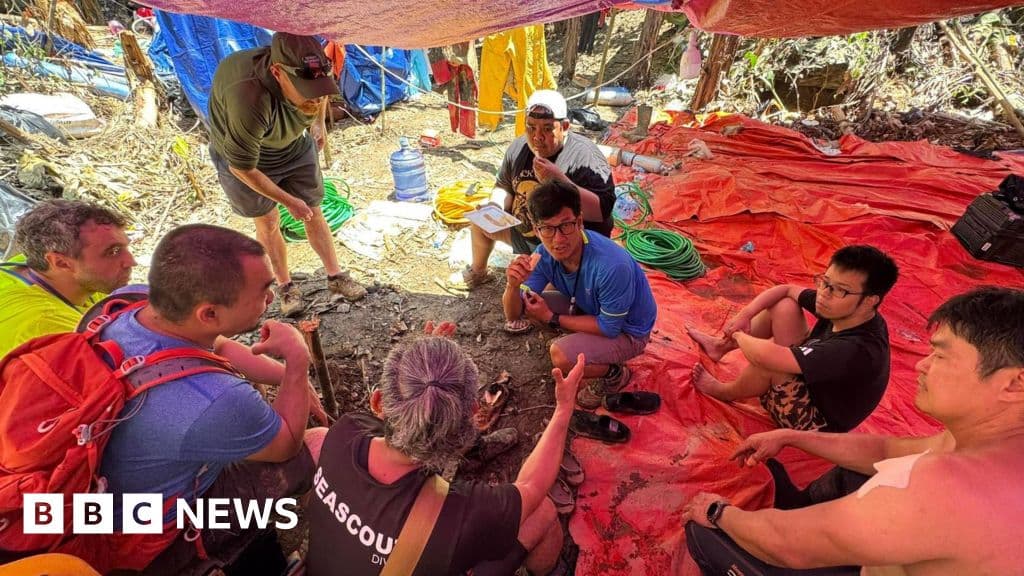
Survivors of the Laos cave rescue are aiding efforts to find the last two missing men trapped inside, sharing crucial insights for the search operation.
BBC World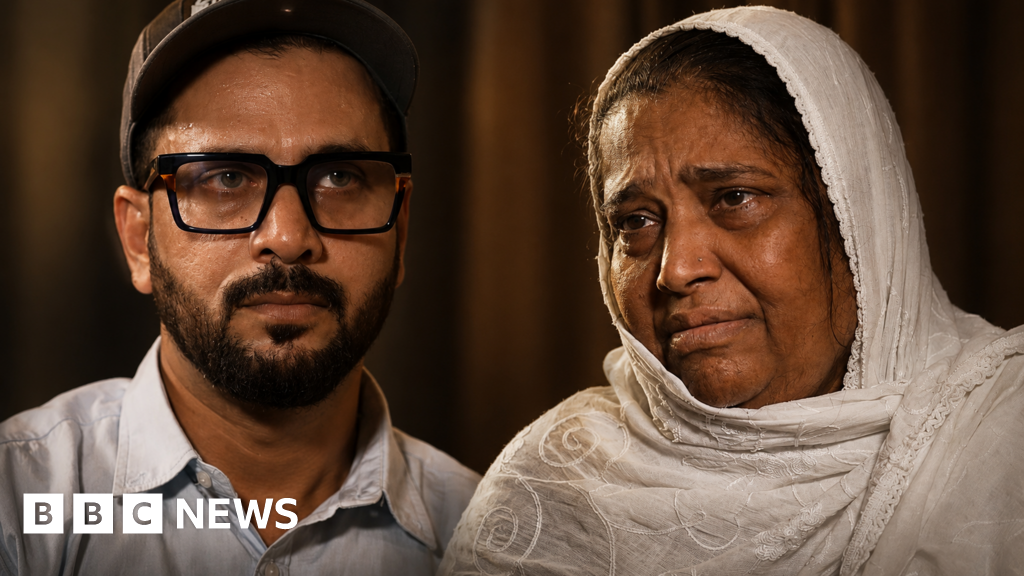
A year after the tragic Air India crash, the Ali family reflects on grief, unanswered questions, and the enduring bonds of love in the face of loss.
BBC Business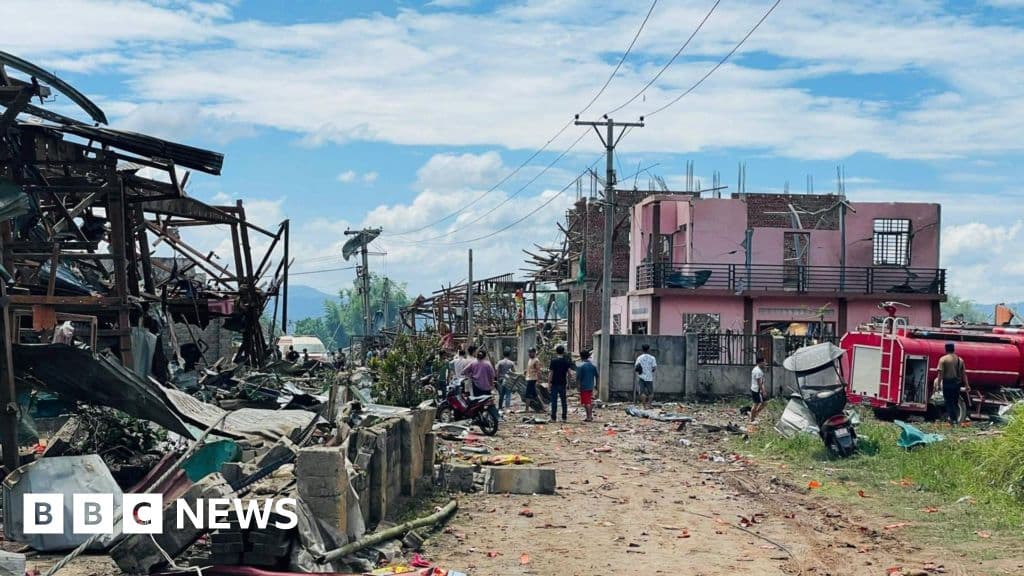
A devastating explosion in Myanmar's Kaung Tat village has killed at least 55 people, raising serious safety concerns and questions about civilian protection in conflict zones.
BBC World