
Image: The Hindu
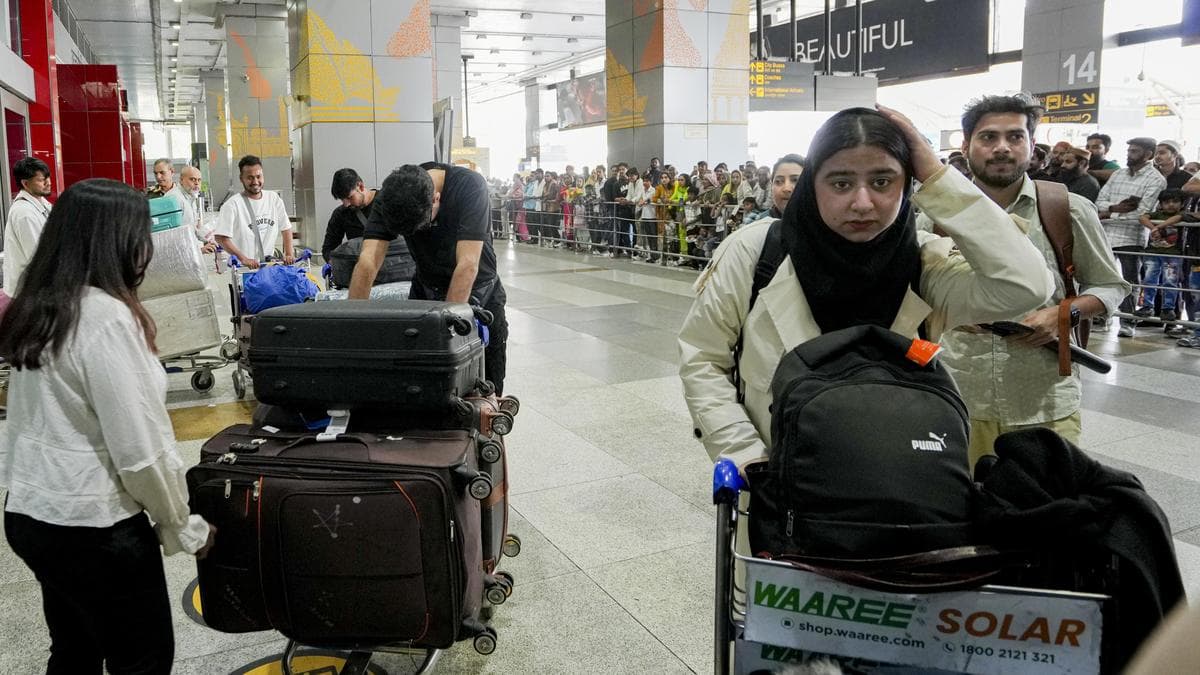
Nearly 1,000 Indians remain in Iran amid conflict, while 23,000 students in the Gulf miss CBSE exams, raising urgent concerns for their safety and education.
GlipzoAs the conflict intensifies in West Asia, the Ministry of External Affairs (MEA) has revealed that nearly 1,000 Indians are still in Iran. This alarming situation was disclosed during a meeting of the Parliamentary Standing Committee on External Affairs in New Delhi on March 18, 2026. The ongoing turmoil has raised significant concerns regarding the safety of Indian nationals and the impact on the diaspora.
During the meeting, the committee's chairman, Shashi Tharoor, noted that while many Indians are still in Iran, not all are seeking to leave. He stated, "Well, there are about 1,000 still in Iran, but not all of them necessarily wish to leave." This highlights the complex emotions and varying circumstances faced by Indians living in the region.
Compounding the crisis, 23,000 school students residing in the Gulf region have been unable to participate in their final CBSE exams due to the escalating conflict. Tharoor emphasized the urgency of addressing their educational needs, saying, "I asked if there could be any steps taken to address their plight. And I gathered that there has already been consultations between the MEA and the Ministry of Education about ensuring that CBSE makes remedial arrangements for these students." The lack of access to exams is a pressing concern for families and educators alike.
The ongoing conflict not only disrupts education but also raises questions about the future of these students. The Indian government has acknowledged the situation and is reportedly exploring options to facilitate the students' education.
The meeting covered a wide range of issues concerning the Indian diaspora, including: - Safety and security of Indian nationals in conflict zones - The impact of the conflict on oil and gas supplies - Questions regarding India's diplomatic stance on the violence in Iran
Despite the comprehensive discussions, some concerns remained unanswered. For instance, the committee questioned India's perceived silence on the killing of Iranian Supreme Leader Ali Khamenei and the deaths of civilians, but MEA officials did not provide clarity on these matters. Additionally, the absence of Foreign Secretary Vikram Misri from the meeting left several inquiries unaddressed.
The geopolitical landscape in West Asia is complex, and India's role remains critical. As tensions escalate, especially following U.S. President Donald Trump's calls for international forces to protect the Strait of Hormuz, India must navigate its diplomatic relations carefully. Questions about India’s energy security and its stance on the conflict highlight the importance of a proactive foreign policy.
Tharoor noted, "The situation in the Gulf countries is that it is fairly easy to come in and out by commercial means... Otherwise, anyone can come and go. It is no longer a question of being stranded. But there are still other complications." This statement underscores the challenges faced by Indians in the region while emphasizing the relative ease of travel compared to earlier stages of the conflict.
The well-being of the Indian community in the Gulf was a focal point during the meeting. Tharoor acknowledged that while flights are operational from many Gulf nations such as the UAE, Saudi Arabia, and Oman, the situation remains precarious due to the conflict.
Moreover, questions were raised about the number of ships stranded in the region, but MEA officials could not provide specific figures. This lack of information adds to the uncertainty faced by families and businesses reliant on these maritime routes.
As the situation evolves, the Indian government will need to take decisive action to safeguard its citizens. The following points outline what to watch for in the coming days: - Remedial educational measures for students unable to attend their CBSE exams - Evacuation plans for Indians wishing to leave conflict zones - Increased diplomatic efforts to ensure the safety of Indian nationals - Clarity on India's energy security amidst rising geopolitical tensions
The dialogue surrounding the AI Impact Summit was also a part of the discussions, touching on the implications for India's tech diplomacy and relationships with countries in the Global South. Tharoor characterized the meeting as "good, comprehensive, thorough," indicating the government's commitment to addressing these pressing concerns.
In conclusion, as tensions in West Asia continue to escalate, the Indian government faces a dual challenge: ensuring the safety of its citizens abroad and addressing the immediate educational needs of thousands of students. The coming weeks will be crucial in determining the fate of those affected by the conflict, and how India positions itself on the global stage amidst these challenges.

Tensions soar as the US and Iran engage in air strikes near the Strait of Hormuz, raising concerns over global oil supply and regional stability.
BBC World
Trump's international interventions face serious stalemates. What will this mean for U.S. foreign policy? Explore the critical challenges ahead.
Indian Express
Tehran denies resignation of President Masoud Pezeshkian amid claims of IRGC influence. What does this mean for Iran's political stability? Click to learn more!
Indian Express