
Image: BBC World
A major robotaxi malfunction in Wuhan halted traffic, raising safety concerns. What led to this disruption and what does it mean for autonomous vehicles?
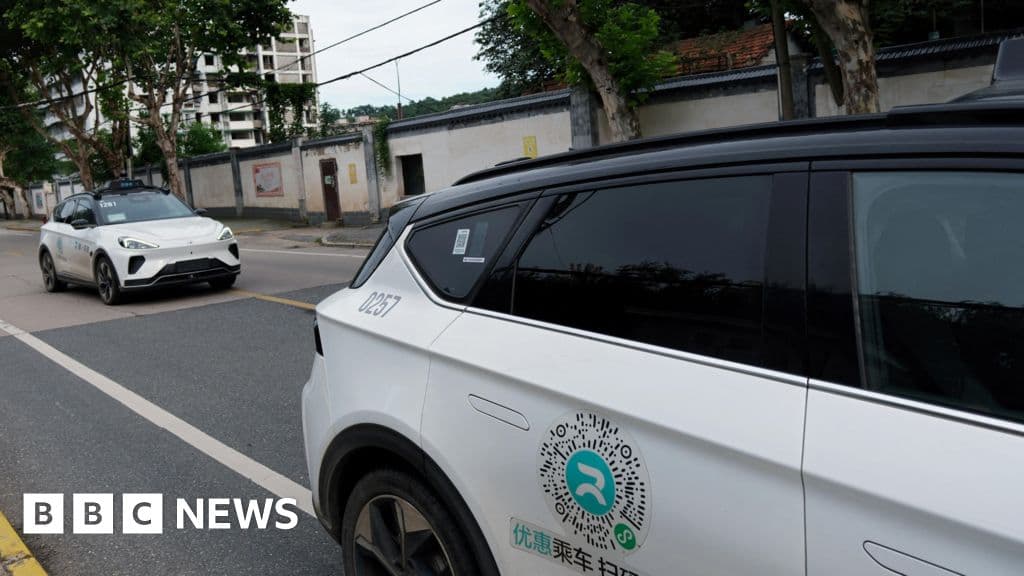
GlipzoIn a shocking incident on Tuesday, the city of Wuhan, China, experienced a significant disruption as a massive robotaxi malfunction immobilized over 100 self-driving vehicles. This event reignited discussions about the safety and reliability of autonomous vehicles in urban environments. Eyewitness accounts and social media videos captured the chaos, showing robotaxis halting abruptly in the middle of busy roadways, leading to a momentary traffic standstill.
Local authorities, including the police, reported that the disruption was caused by a "system malfunction," although specific details about the malfunction remain under investigation. Fortunately, there were no injuries reported, and passengers were able to exit their vehicles without harm, according to the police statement shared on Weibo, a popular Chinese social media platform.
Baidu, the company behind the Apollo Go driverless taxi service, has not yet commented publicly on this incident. The Apollo Go service operates in numerous cities globally, predominantly within China. This service is crucial for Baidu as it seeks to lead the way in the burgeoning field of autonomous transportation.
In a bid to expand its technology internationally, Baidu announced in December 2025 partnerships with Uber and Lyft to test Apollo Go vehicles on the roads of the UK, with plans to start trials in 2026. However, these tests are contingent upon securing regulatory approvals, which could impact the timeline of their deployment.
Experts have weighed in on the implications of this disruption. Jack Stilgoe, a professor specializing in science and technology policy at University College London, commented on the incident, emphasizing that while autonomous technology may statistically be safer than human drivers, the Wuhan malfunction illustrates that it can still fail in unprecedented ways. "If we're going to make good choices about this technology, we need to understand entirely new types of risk," he stated in an interview with BBC News.
This incident is not isolated; previous technical difficulties with self-driving cars raise concerns about the reliability of such systems. For instance, in December 2025, a significant power outage in San Francisco caused Waymo taxis to come to a standstill, creating substantial traffic congestion. Earlier in August 2025, a robotaxi operated by Apollo Go in Chongqing fell into a construction pit while carrying a passenger, highlighting the unpredictability of autonomous vehicle operations in complex environments.
The Wuhan robotaxi malfunction serves as a critical case study for the ongoing debate about the safety and regulatory frameworks surrounding autonomous vehicles. As cities worldwide begin to incorporate self-driving technology into their transportation networks, incidents like this one underscore the need for robust safety measures and contingency plans.
The aftermath of this incident will likely prompt discussions about the future of robotaxi operations not only in China but globally. As autonomous vehicle technology continues to evolve, it remains essential for stakeholders, including manufacturers, regulators, and the public, to engage in open dialogues about safety and innovation.
In conclusion, while the promise of autonomous vehicles is significant, incidents like the one in Wuhan remind us of the challenges that lie ahead. The industry must act swiftly to address these concerns to ensure that the future of transportation remains safe and reliable for all.

Nvidia's new RTX Spark chip aims to transform personal computing with AI, marking a significant shift in technology. Discover what this means for consumers.
BBC Business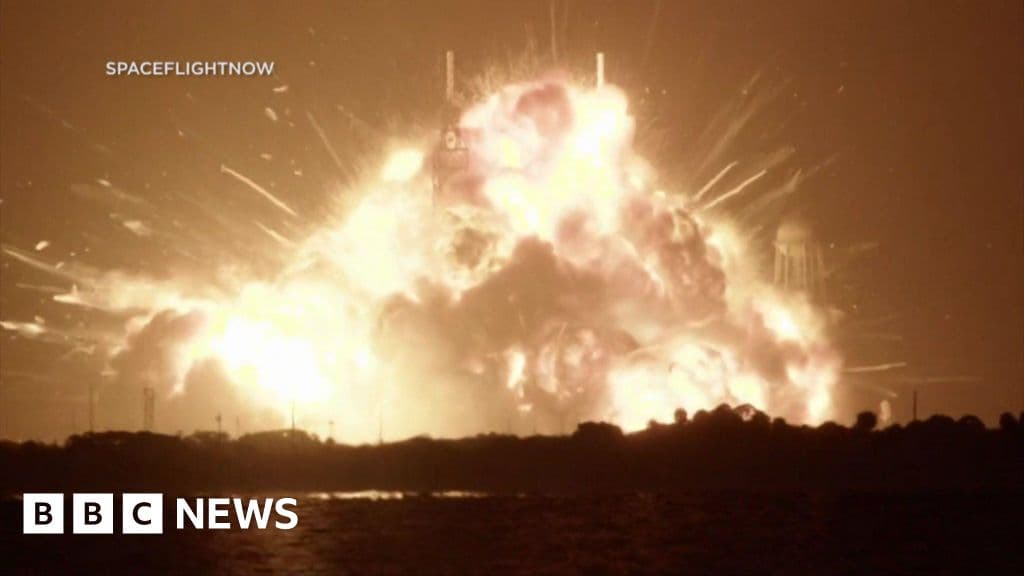
The explosion of Blue Origin's New Glenn rocket raises significant concerns over NASA's lunar ambitions and the future of Amazon's satellite projects. Discover the implications.
BBC Science
Discover how Meta's lack of engagement on user bans raises critical concerns about accountability and transparency in social media governance.
BBC Technology