Glipzo
WorldTechnologyBusinessSportsEntertainmentScienceHealthPolitics
Glipzo
WorldTechnologyBusinessSportsEntertainmentScienceHealthPolitics
  1. Home
  2. /
  3. Health
  4. /
  5. Critical Risks of Long-Term High-Dose Vitamin D Use Revealed
Critical Risks of Long-Term High-Dose Vitamin D Use Revealed

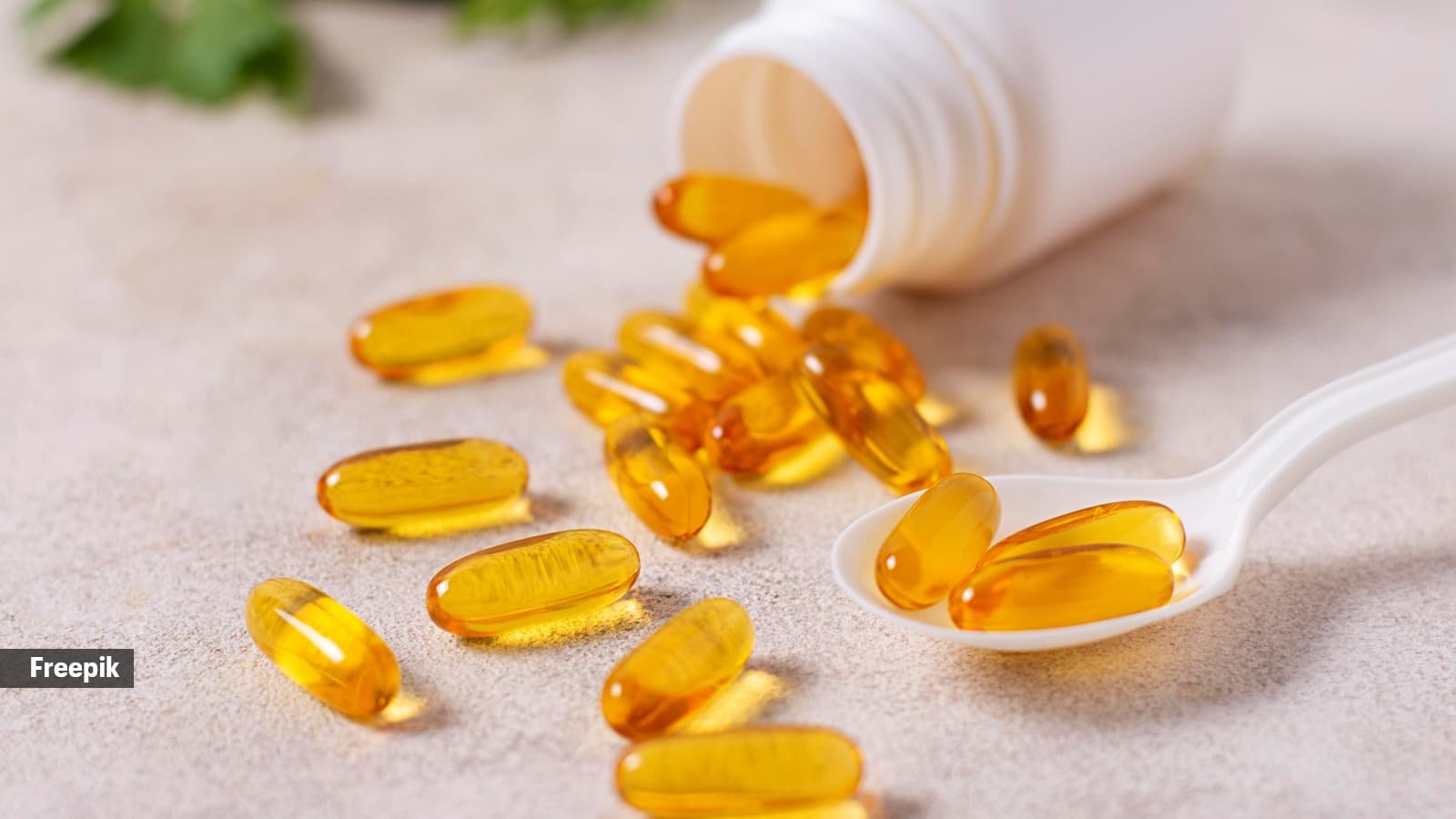
Image: Indian Express

Health
Tuesday, April 21, 20264 min read

Critical Risks of Long-Term High-Dose Vitamin D Use Revealed

Explore the critical risks of high-dose vitamin D supplements and how to safely manage intake for optimal health. Consult experts for personalized advice.

Glipzo News Desk|Source: Indian Express
Share
Glipzo

Key Highlights

  • Excessive vitamin D can lead to serious health risks.
  • Safe daily intake should not exceed 4,000 IU for adults.
  • Regular monitoring is crucial to prevent toxicity.
  • Natural sunlight can significantly boost vitamin D levels.
  • Consult your doctor for personalized supplementation advice.

In this article

  • Understanding Vitamin D: The Sunshine Vitamin Vitamin D, often referred to as the **Sunshine Vitamin**, plays a crucial role in maintaining our overall health. In India, where sunlight is abundant, it's surprising to note that a significant portion of the population suffers from **vitamin D deficiency**. A recent inquiry on Quora highlighted concerns regarding the **risks associated with high-dose vitamin D supplementation**, particularly over extended periods. To shed light on this pressing issue, we consulted two prominent health experts: **Dr. Vyankatesh Shivane**, a Consultant Diabetologist and Metabolic Physician at Jaslok Hospital & Research Centre in Mumbai, and **Dr. Vimal Pahuja**, Associate Director of Internal Medicine at Dr. LH Hiranandani Hospital in Powai.
  • Why Vitamin D Matters for Health Dr. Pahuja emphasizes the importance of maintaining sufficient vitamin D levels, stating, “A level above **30 ng/mL** is generally considered adequate for health.” Adequate vitamin D levels stabilize **Parathyroid hormone**, which is vital for bone health. However, he warns that levels exceeding **100–150 ng/mL** can lead to health complications, including increased calcium excretion in urine, heightening the risk of **kidney stones**.
  • Risks of Excessive Vitamin D Supplementation Both doctors warn against the dangers associated with high-dose vitamin D intake. Dr. Shivane notes that prolonged high-dose use can lead to serious health issues such as: - **Hypercalcemia**: Excess calcium in the blood. - **Kidney Stones**: Increased risk due to higher calcium excretion. - **Vascular Calcification**: Hardening of blood vessels. - **Cardiac Arrhythmias**: Irregular heartbeats.
  • Guidelines for Safe Supplementation To mitigate the risks associated with vitamin D supplementation, both doctors emphasize the importance of consulting a healthcare provider. Dr. Pahuja advises, “Only take Vitamin D supplements per your doctor’s instructions and avoid prolonged use beyond the advised duration.” After correcting low vitamin D levels, patients should discuss maintenance doses. Typically, **1,000 to 1,500 IU** per day is recommended in India for ongoing maintenance.
  • Monitoring and Testing Recommendations Dr. Shivane suggests that individuals should undergo testing before beginning supplementation and again after **8–12 weeks** to assess levels. Once stable, annual monitoring is sufficient. Following an initial correction phase with **weekly doses of 60,000 IU** for 10–12 weeks, a maintenance dose can be adopted. Regular checks ensure that vitamin D levels remain within the normal range.
  • Conclusion: The Path Forward In summary, while vitamin D is essential for our health, particularly in a country like India where deficiencies are common, the risks of high-dose supplementation cannot be ignored. Understanding the balance between adequate intake and potential toxicity is crucial for maintaining optimal health. Going forward, individuals should prioritize regular monitoring and consult healthcare providers to tailor their vitamin D intake safely.

Understanding Vitamin D: The Sunshine Vitamin Vitamin D, often referred to as the **Sunshine Vitamin**, plays a crucial role in maintaining our overall health. In India, where sunlight is abundant, it's surprising to note that a significant portion of the population suffers from **vitamin D deficiency**. A recent inquiry on Quora highlighted concerns regarding the **risks associated with high-dose vitamin D supplementation**, particularly over extended periods. To shed light on this pressing issue, we consulted two prominent health experts: **Dr. Vyankatesh Shivane**, a Consultant Diabetologist and Metabolic Physician at Jaslok Hospital & Research Centre in Mumbai, and **Dr. Vimal Pahuja**, Associate Director of Internal Medicine at Dr. LH Hiranandani Hospital in Powai.

Why Vitamin D Matters for Health Dr. Pahuja emphasizes the importance of maintaining sufficient vitamin D levels, stating, “A level above **30 ng/mL** is generally considered adequate for health.” Adequate vitamin D levels stabilize **Parathyroid hormone**, which is vital for bone health. However, he warns that levels exceeding **100–150 ng/mL** can lead to health complications, including increased calcium excretion in urine, heightening the risk of **kidney stones**.

The potential for toxicity arises from excessive supplementation, especially doses over 50,000 IU per day taken for several weeks. Dr. Shivane asserts that while vitamin D deficiency is critical in India, the overuse of supplements is becoming increasingly problematic. The Endocrine Society of India and the ICMR-NIN recommend a daily intake of 600–800 IU, with an upper safety limit of 4,000 IU.

Risks of Excessive Vitamin D Supplementation Both doctors warn against the dangers associated with high-dose vitamin D intake. Dr. Shivane notes that prolonged high-dose use can lead to serious health issues such as: - **Hypercalcemia**: Excess calcium in the blood. - **Kidney Stones**: Increased risk due to higher calcium excretion. - **Vascular Calcification**: Hardening of blood vessels. - **Cardiac Arrhythmias**: Irregular heartbeats.

As a fat-soluble vitamin, toxicity from vitamin D accumulates gradually, manifesting in symptoms like nausea, increased thirst, muscle weakness, and confusion. Dr. Pahuja adds that many individuals may inadvertently consume excessive supplements, either by taking daily doses when advised to take them weekly or continuing their regimen longer than necessary because they feel better.

Guidelines for Safe Supplementation To mitigate the risks associated with vitamin D supplementation, both doctors emphasize the importance of consulting a healthcare provider. Dr. Pahuja advises, “Only take Vitamin D supplements per your doctor’s instructions and avoid prolonged use beyond the advised duration.” After correcting low vitamin D levels, patients should discuss maintenance doses. Typically, **1,000 to 1,500 IU** per day is recommended in India for ongoing maintenance.

It’s crucial for those taking vitamin D to be vigilant for early signs of toxicity, which include increased urine frequency, heightened thirst, and abdominal pain. Dr. Pahuja recommends checking vitamin D levels promptly, along with tests for blood calcium and phosphorus levels to detect any excess calcium in the bloodstream.

Monitoring and Testing Recommendations Dr. Shivane suggests that individuals should undergo testing before beginning supplementation and again after **8–12 weeks** to assess levels. Once stable, annual monitoring is sufficient. Following an initial correction phase with **weekly doses of 60,000 IU** for 10–12 weeks, a maintenance dose can be adopted. Regular checks ensure that vitamin D levels remain within the normal range.

Additionally, Dr. Pahuja highlights the significant role of sunlight in maintaining vitamin D levels. He recommends 45–60 minutes of daily sunlight exposure between 10 AM and 12 PM to maximize benefits, ensuring that large areas of the skin, such as arms, legs, neck, and face, are exposed without sunscreen during this period.

Conclusion: The Path Forward In summary, while vitamin D is essential for our health, particularly in a country like India where deficiencies are common, the risks of high-dose supplementation cannot be ignored. Understanding the balance between adequate intake and potential toxicity is crucial for maintaining optimal health. Going forward, individuals should prioritize regular monitoring and consult healthcare providers to tailor their vitamin D intake safely.

As the conversation around vitamin D continues to evolve, a greater emphasis on public education about safe supplementation practices and the benefits of natural sunlight exposure will be vital in combating vitamin D deficiency without succumbing to the dangers of over-supplementation.

Did you find this article useful? Share it!

Share

Related Articles

Critical Insights: Distinguishing Gas Pain from Heart Issues
Health
Apr 20, 2026

Critical Insights: Distinguishing Gas Pain from Heart Issues

Confused about chest pain? Discover how to differentiate between gas discomfort and heart-related issues to ensure timely medical action.

Indian Express
Shocking Discovery: Rat Poison Found in HiPP Baby Food Jar
Health
Apr 20, 2026

Shocking Discovery: Rat Poison Found in HiPP Baby Food Jar

Austrian police warn of rat poison found in HiPP baby food jars. Stay vigilant and learn how to identify tampered products. Read more for details.

BBC World
Health Visitors Demand Action Amid Soaring Caseloads in England
Health
Apr 20, 2026

Health Visitors Demand Action Amid Soaring Caseloads in England

Health visitors in England face crushing caseloads of over 1,000 families, prompting urgent calls for limits to ensure proper care for children and families.

BBC Health

Categories

  • World
  • Technology
  • Business
  • Sports

More

  • Entertainment
  • Science
  • Health
  • Politics

Explore

  • Web Stories
  • About Us
  • Contact

Legal

  • Privacy Policy
  • Terms of Service

© 2026 Glipzo. All rights reserved.