
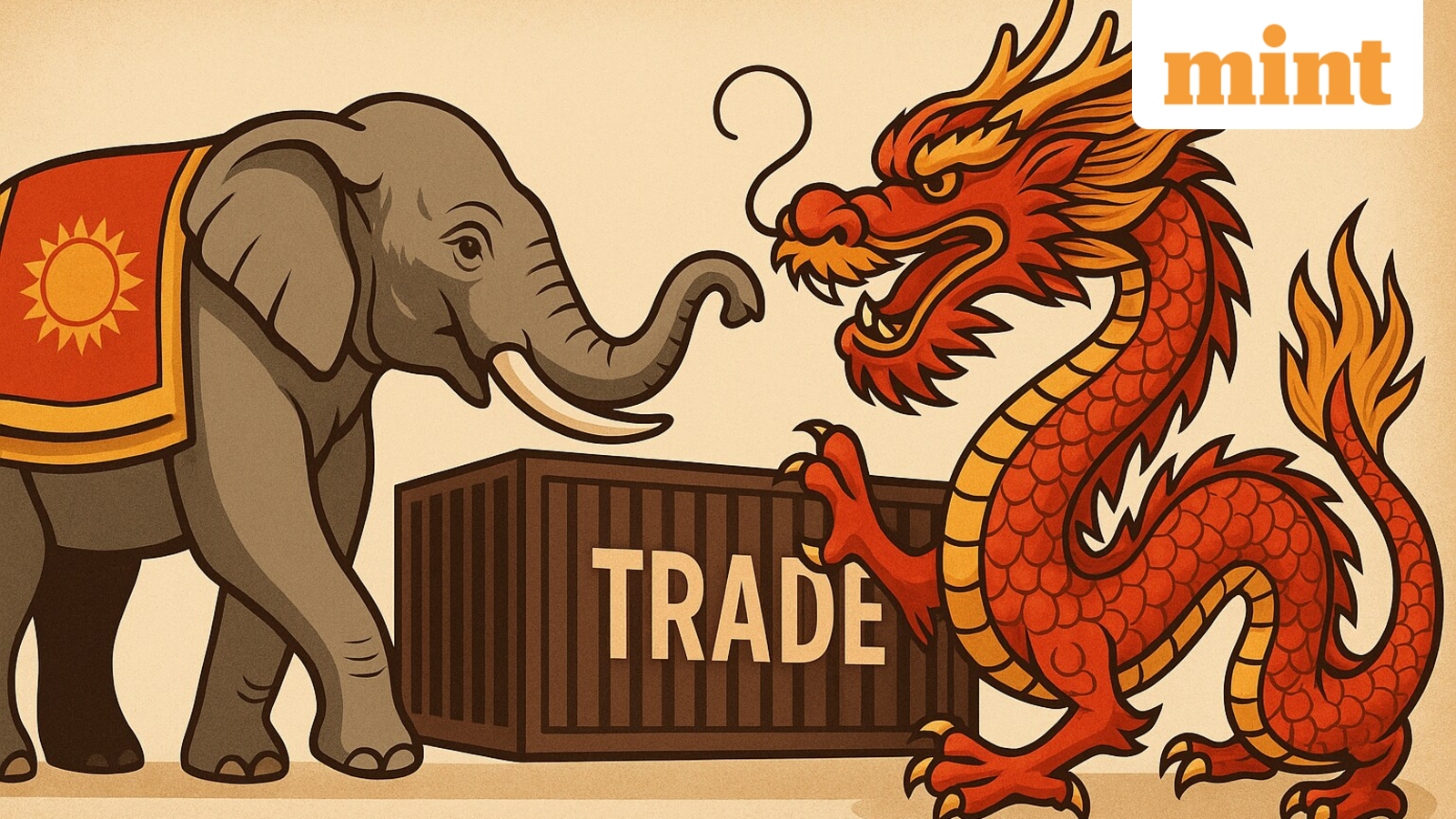
Image: Mint (Business)
India and China will resume border trade through Lipulekh Pass after a six-year hiatus. Discover why this matters for regional relations and trade.
GlipzoBorder trade between India and China is set to make a significant comeback this June, marking a pivotal moment after a six-year standstill. The Lipulekh Pass, located in Uttarakhand's Pithoragarh district, will reopen for trade following a hiatus that began in 2019 due to both the COVID-19 pandemic and escalating border tensions between the two nations. According to reports from PTI, the Ministry of External Affairs (MEA) has issued a No-Objection Certificate (NOC), clearing the way for this historic trade route to be utilized once again.
District Magistrate Ashish Bhatgai confirmed that preparations are already underway for the trading session, which typically spans from June to September. The Simant Vyapar Sangathan, a local trade organization, expressed its enthusiasm over this development. President Jeevan Singh Ronkali noted that the resumption of trade would enable merchants to recover goods that have been held in warehouses in Taklakot, Tibet, since the suspension began.
The Lipulekh Pass, situated at an elevation of 17,000 feet, has a complex history when it comes to trade and territorial disputes. After the 1962 India-China war, trade through this crucial route was suspended for decades, only resuming in 1992. This pass not only connects Uttarakhand with the Tibet Autonomous Region of China, but it has also been a focal point in the ongoing three-way territorial dispute involving India, China, and Nepal.
India has asserted that trade through the Lipulekh Pass has been ongoing since 1954, while Nepal contends that the region, including Kalapani and Limpiyadhura, rightfully belongs to it. Tensions escalated in 2015 when then-Prime Minister Narendra Modi visited Beijing, leading to a diplomatic protest from Nepal regarding the India-China trade agreements concerning the pass. Further complications arose in 2020 when India inaugurated a new road link to Kailash Mansarovar, heightening existing tensions.
The reopening of the Lipulekh Pass is significant not just for trade, but also for regional relations. The timing of this trade resumption indicates an effort to stabilize economic and diplomatic ties between India and China amidst ongoing geopolitical realities. Notably, China's recent maps have shown the disputed territories as part of India, reflecting a possible shift in its stance regarding the Lipulekh issue.
This development could have several implications:
As trade resumes at the Lipulekh Pass, all eyes will be on how both countries manage their complex relationship. The coming months will reveal how this development plays out, and whether it leads to further diplomatic discussions regarding other contentious issues.
Here are several key aspects to monitor: - Trade Volume: Will the resumption of trade lead to increased volume, and how will it affect local economies? - Diplomatic Engagement: Will India and China engage in further dialogues to address unresolved issues related to territorial disputes? - Nepal's Reaction: How will Nepal respond to this renewed trade activity, and will it escalate its diplomatic protests?
In conclusion, the reopening of the Lipulekh Pass for trade is a significant step toward rekindling economic ties between India and China after years of strain. As stakeholders prepare for this new chapter, the outcome will likely shape not just regional dynamics, but also the broader geopolitical landscape.
Stay tuned for further updates as the situation unfolds and more information becomes available.
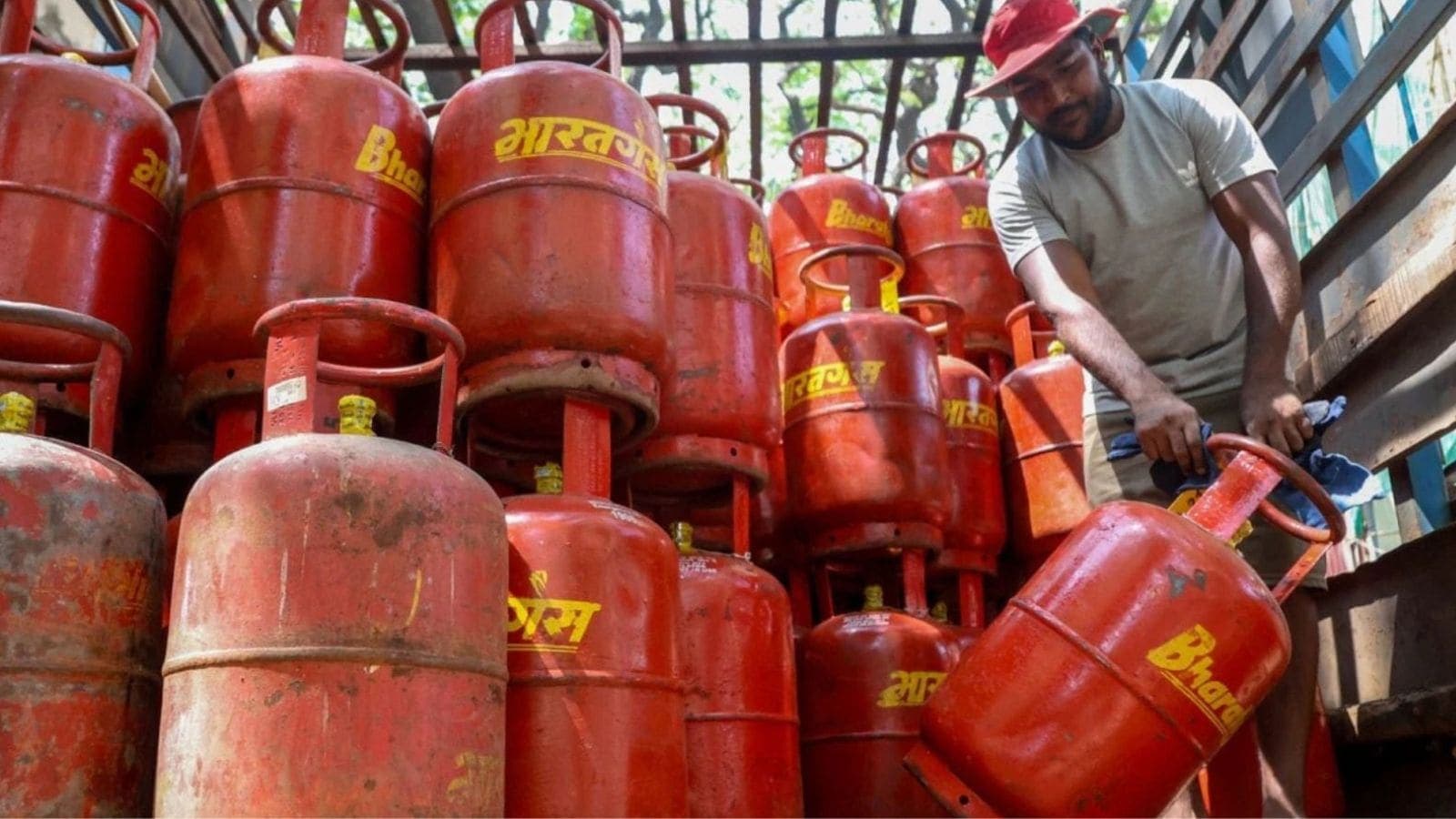
Commercial LPG prices have risen again, with increases of ₹42 in Delhi and ₹53.50 in Kolkata impacting businesses and consumers alike. Find out more.
Indian Express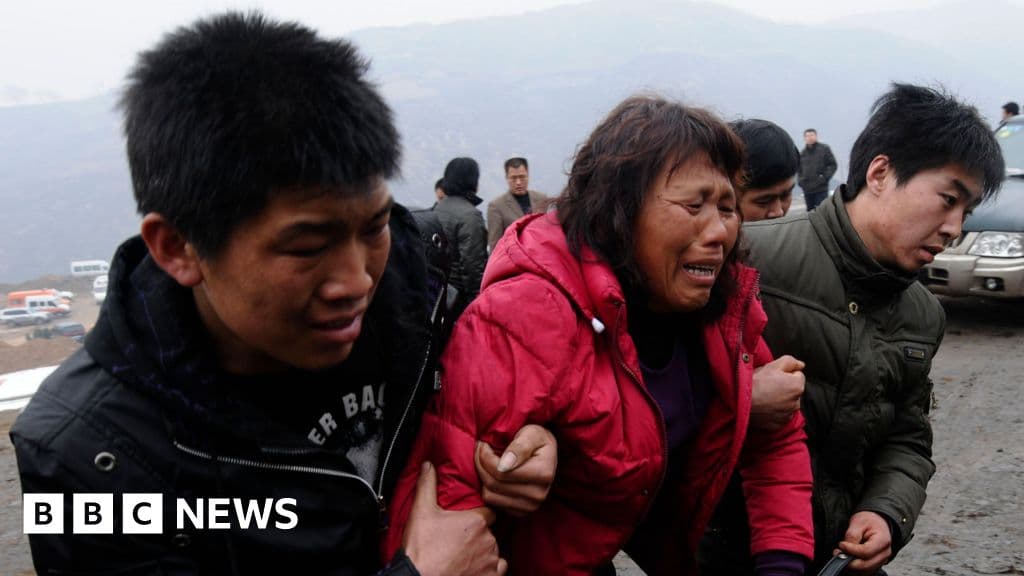
Discover how a tragic coal mine explosion in Shanxi, China, reveals ongoing safety concerns in the industry amidst a push for green energy.
BBC Business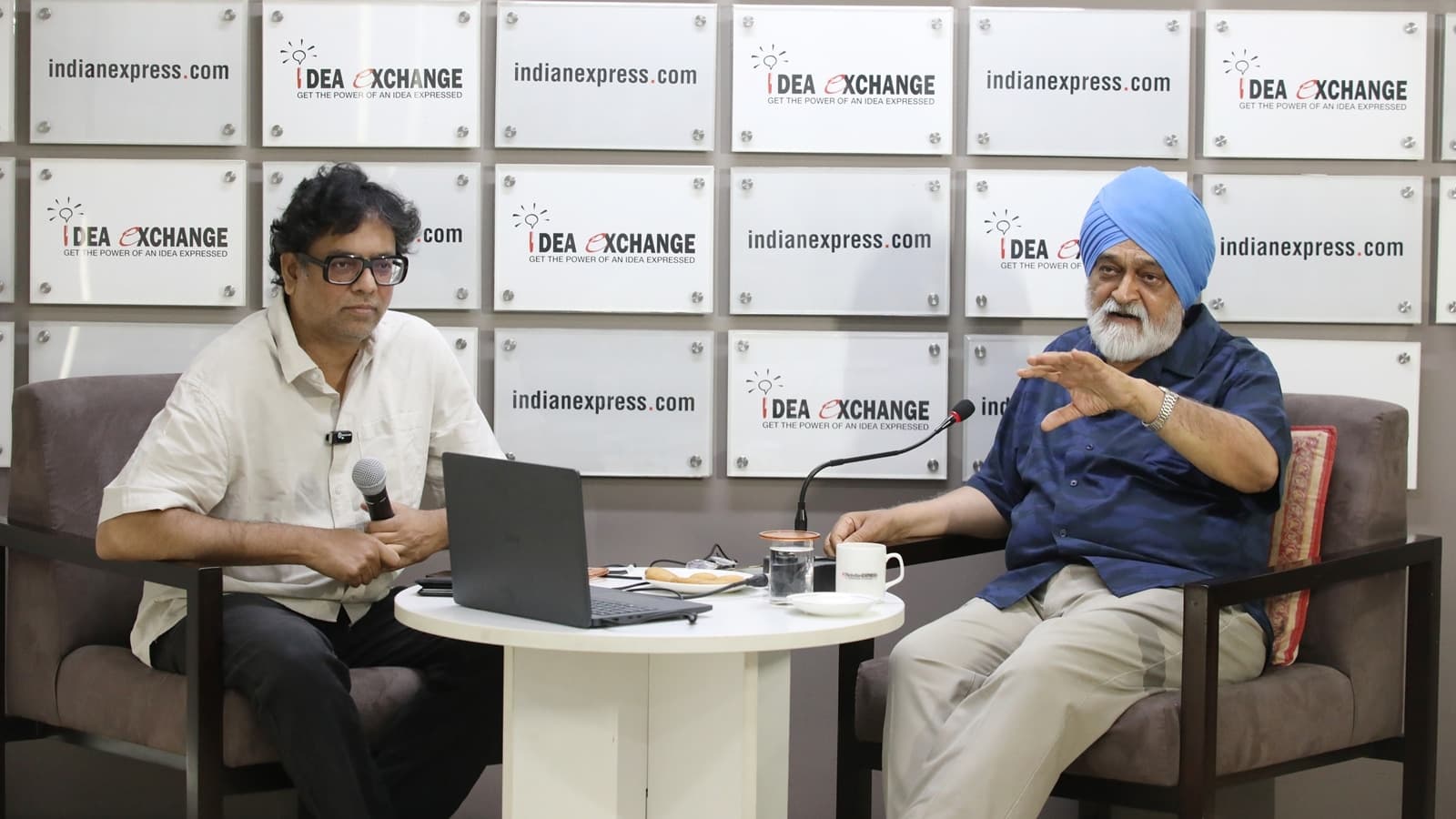
Montek Singh Ahluwalia highlights key economic challenges for India, emphasizing the need for a strategic approach to balance payments and investment.
Indian Express