
Image: BBC World
Cuba faces a second nationwide blackout, affecting over 10 million people. Discover the implications of this crisis and the international response.
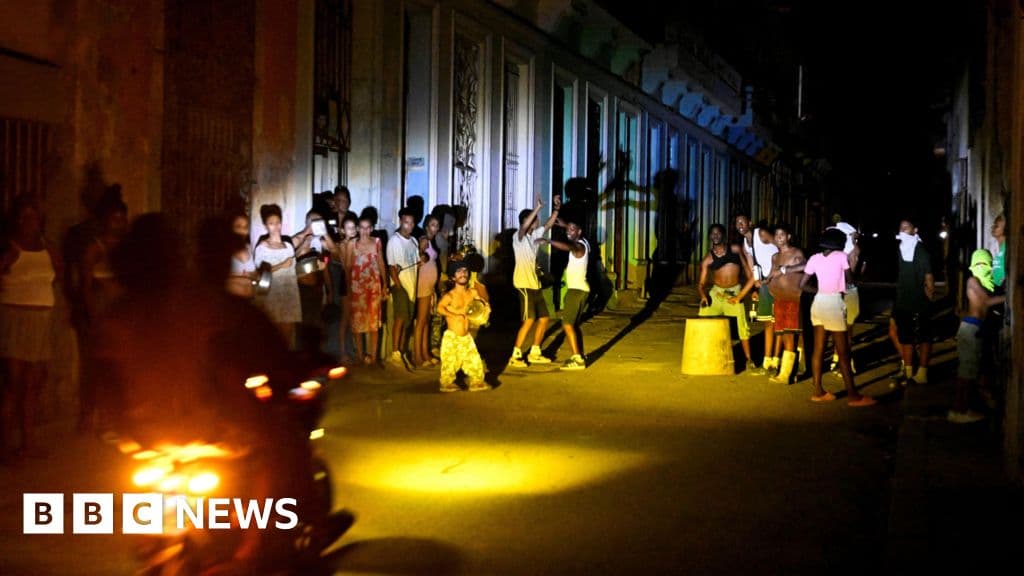
GlipzoIn a shocking turn of events, more than 10 million people across Cuba experienced a nationwide power outage as the country's electrical grid succumbed to failure for the second time in just seven days. The Cuban energy ministry confirmed the incident, stating that there has been a "total disconnection of the National Electrical System," and assured citizens that restoration protocols are already being initiated.
This recent blackout is part of a troubling trend, with three major blackouts occurring in the month alone. The situation has escalated as a result of a U.S. fuel blockade, which severely restricts foreign oil imports essential for maintaining operational power plants. The Cuban National Electric System has been grappling with an outdated infrastructure and chronic fuel shortages, making the country particularly vulnerable to such crises.
In response to the unfolding emergency, Cuba's grid operator, UNE, is working diligently to restore electricity. The focus is on essential services, ensuring that hospitals and water systems are prioritized in recovery efforts. The urgency of the situation cannot be understated as the blackouts have exacerbated the already challenging living conditions for many Cubans.
As the crisis deepens, the government has also seen a wave of international support. A coalition of socialist groups from across the globe arrived in Havana this past weekend, delivering aid in the form of solar panels, food kits, and medical supplies. The Nuestra America convoy, which had set sail from Mexico, faced delays due to rough seas but is expected to arrive soon, providing much-needed assistance to those affected by the outages.
The recent power cuts have sparked rare public dissent, with citizens expressing their frustration in the streets. On Monday, residents in central Havana were seen banging pots and pans, a symbolic act of protest against the government. Meanwhile, in Morón, a town in central Cuba, demonstrators took more drastic measures, attacking and setting fire to the headquarters of the Communist Party. Such actions are particularly risky given that unauthorized protests are illegal in Cuba, and those who participate could face severe repercussions, including imprisonment.
The political landscape is further complicated by the ongoing tensions with the United States. Following the U.S. military action against former Venezuelan President Nicolás Maduro on January 3, former President Donald Trump has indicated a desire for regime change in Cuba. Reports suggest that Trump views the ousting of Cuba's President Miguel Díaz-Canel as a prerequisite for lifting the fuel embargo. In a recent statement, Trump even hinted at the possibility of a "friendly takeover" of Cuba, an assertion that raises significant concerns for the island's sovereignty.
In a bid to fortify national defense, President Díaz-Canel announced that Cuba has developed a "preparation plan" aimed at enhancing the island's readiness against potential U.S. military threats. This statement came during a weekend meeting with humanitarian workers delivering supplies, underscoring the government's focus on both domestic stability and international relations.
Despite the escalating tensions, initial phases of bilateral talks between the U.S. and Cuba have taken place, according to President Díaz-Canel. However, the details of these discussions remain vague, and it is unclear how effective they will be in alleviating the ongoing crisis. On Friday, Cuban Deputy Foreign Minister Carlos Fernandez de Cossio reiterated that Cuba's political structure is non-negotiable and that the positions of its leaders are not up for discussion with the U.S.
This firm stance highlights the complexities of the situation. While Cuba seeks to address immediate humanitarian needs and restore power to its citizens, it is also navigating a delicate political landscape that could influence the future of U.S.-Cuban relations.
As Cuba grapples with these unprecedented challenges, the coming weeks will be critical. Observers are keen to see how the government manages both the energy crisis and the public unrest. The effectiveness of the international aid arriving in Havana may play a crucial role in stabilizing the situation.
Additionally, the potential for renewed diplomatic engagement with the U.S. could impact both the humanitarian crisis and the political climate. Will the U.S. take steps to ease the fuel blockade, or will tensions escalate further?
As Cuba navigates this turbulent period, the world watches closely. The resilience of the Cuban people and the government's response to this crisis will likely shape the nation’s trajectory for years to come.
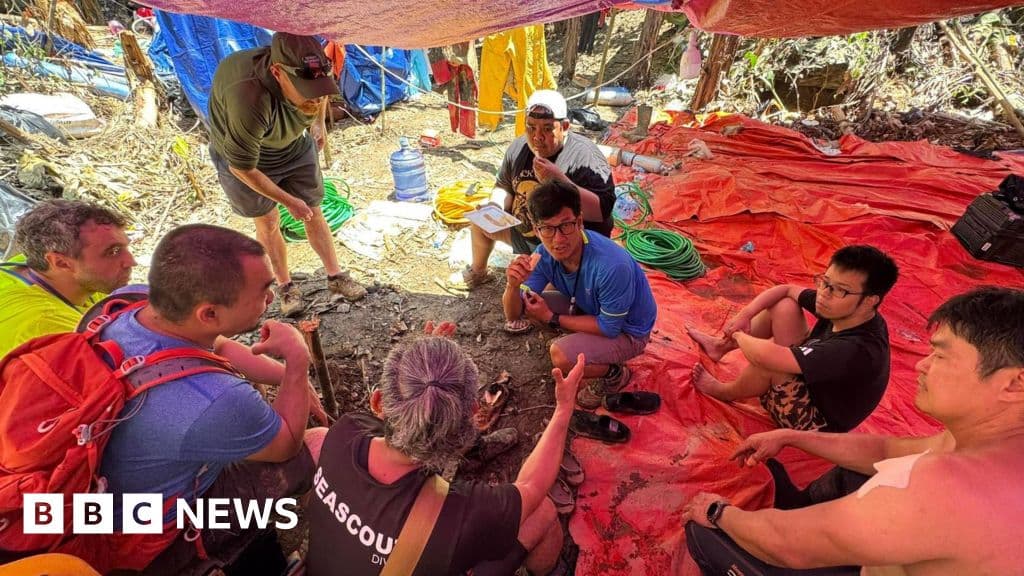
Survivors of the Laos cave rescue are aiding efforts to find the last two missing men trapped inside, sharing crucial insights for the search operation.
BBC World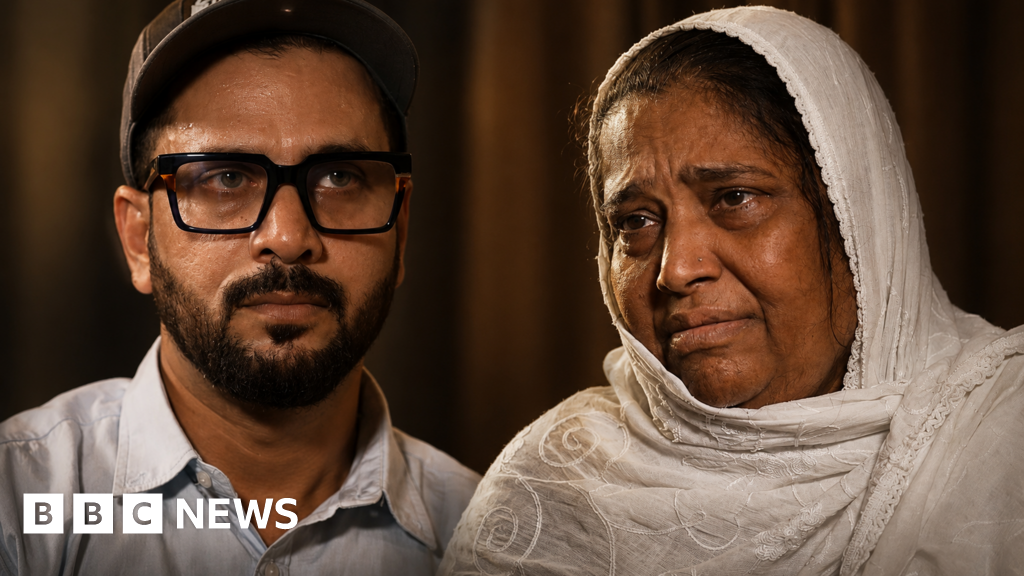
A year after the tragic Air India crash, the Ali family reflects on grief, unanswered questions, and the enduring bonds of love in the face of loss.
BBC Business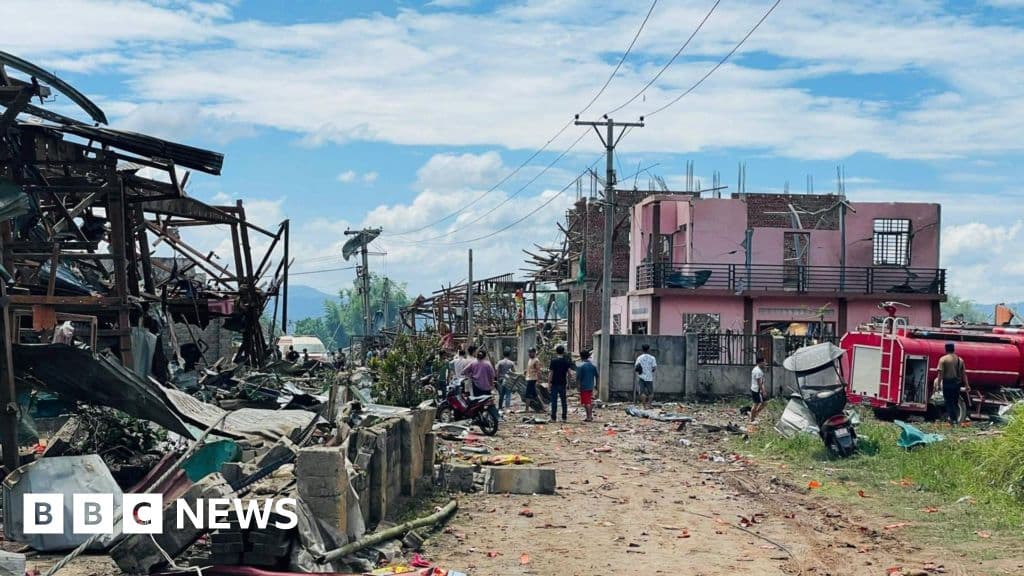
A devastating explosion in Myanmar's Kaung Tat village has killed at least 55 people, raising serious safety concerns and questions about civilian protection in conflict zones.
BBC World