
Image: BBC World
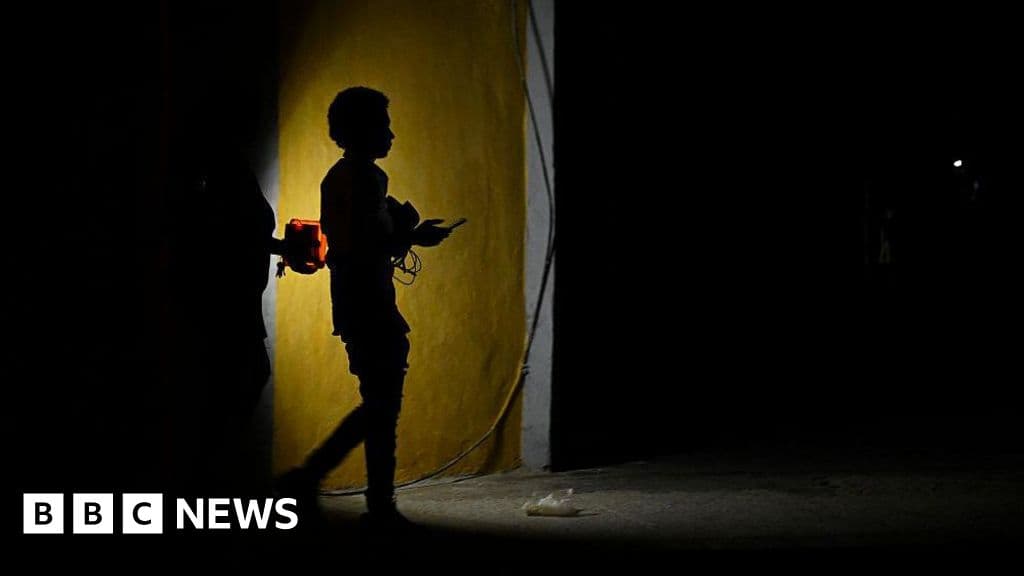
Millions in Cuba are left powerless after a grid collapse amid fuel shortages. Explore the causes and implications of this ongoing crisis.
GlipzoIn a devastating turn of events, millions of Cubans found themselves without electricity following a complete collapse of the national power grid on Monday. The national electric operator, known as UNE, has confirmed the situation, indicating that efforts are underway to gradually restore power across various regions of the island nation. This incident marks just the latest chapter in a series of widespread blackouts that have plagued Cuba, a nation grappling with severe fuel shortages exacerbated by ongoing economic sanctions.
Cuba, home to approximately 10 million residents, has been facing a persistent energy crisis that has not only disrupted daily life but has also sparked public discontent and rare protests. The country relies heavily on imported fuel, with Venezuela historically supplying around 35,000 barrels of oil daily, meeting nearly half of Cuba's energy needs. However, this lifeline has been severed in recent months due to rising tensions and U.S. sanctions.
The U.S. blockade on oil shipments to Cuba has intensified since the U.S. government took decisive actions against Venezuelan President Nicolas Maduro in January. This move has included the seizure of several oil shipments intended for Cuba and threats from former President Donald Trump to impose tariffs on any nation that engages in oil trade with the island. As a result, Cuban President Miguel Diaz-Canel has reported that no oil deliveries have reached the country in the past three months.
Trump's rhetoric has escalated the situation, as he suggested that he could have the "honor of taking Cuba," implying a potential military or political intervention. His comments reflect a long-standing animosity towards Cuba, which began after Fidel Castro's communist revolution in 1959 overthrew a U.S.-backed government. The ramifications of these geopolitical tensions have severely impacted the Cuban population, leading to increased hardships in everyday life.
The continued blackouts have sparked frustration among the Cuban populace, resulting in protests against the government. In a notable incident last week, demonstrators stormed a Communist Party building in Moron during a rally that addressed sky-high food prices and relentless power cuts. This public unrest reflects a growing discontent with the government's handling of the economic crisis and the energy supply issues.
Residents of Havana have expressed their resignation to the situation. One local resident told Reuters, "This blackout didn’t surprise me. We're getting used to living like this." Such statements underscore the psychological toll that the ongoing energy crisis is inflicting on everyday Cubans, who are forced to adapt to a life of uncertainty and deprivation.
As the Cuban government attempts to restore power, the situation remains precarious. The UNE is working diligently to bring electricity back to affected areas, but the underlying issues persist, rooted in the country’s dependence on imported fuel and the geopolitical landscape. The dialogue between President Diaz-Canel and the Trump administration hints at potential negotiations aimed at resolving these differences; however, the outcome remains uncertain.
Cuba's long-standing energy crisis illustrates the broader implications of international relations on domestic stability. As the nation struggles with power shortages, the question of how the Cuban government will respond to public discontent looms large. The next few weeks will be critical as the government navigates these challenges while attempting to restore normalcy to the lives of its citizens.
The energy crisis in Cuba is not just a local issue; it reflects the broader geopolitical tensions between the United States and Cuba, as well as the impact of international sanctions on vulnerable populations. As the situation unfolds, it will be essential to monitor how the Cuban government addresses the ongoing unrest and whether any diplomatic efforts lead to a resolution of the fuel supply issues.
As we look to the future, several key points are worth watching: - Restoration Efforts: How quickly UNE can restore power and what measures will be implemented to prevent future outages. - Public Sentiment: The potential for further protests if conditions do not improve. - International Relations: The outcome of negotiations between the Cuban government and U.S. officials, and how it might affect the energy crisis. - Economic Impact: The implications for food prices and overall economic stability as the country grapples with these challenges.
In conclusion, the recent power grid collapse in Cuba serves as a stark reminder of the fragility of life under economic sanctions and the pressing need for strategic solutions to restore stability and hope to the island's residents.
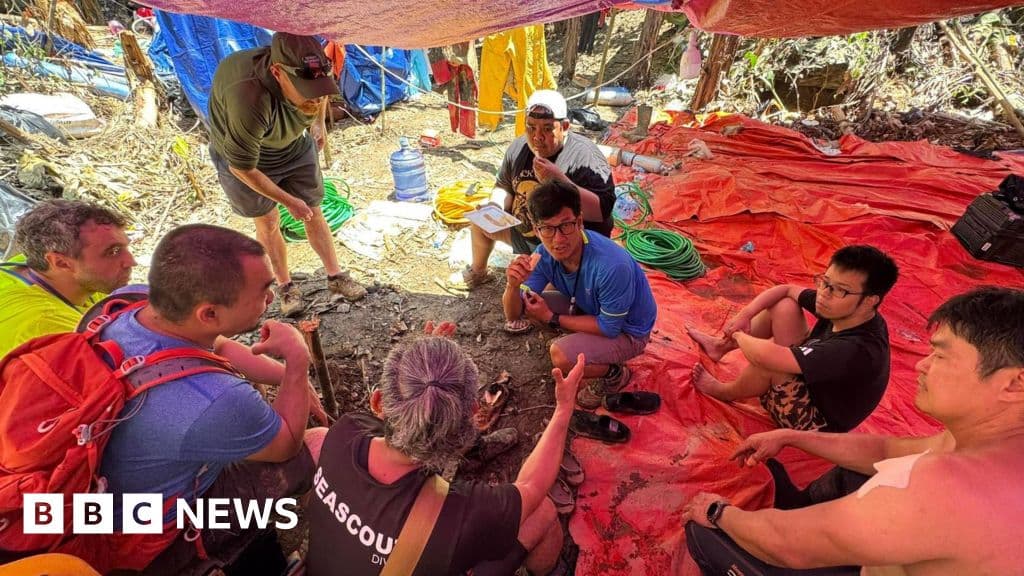
Survivors of the Laos cave rescue are aiding efforts to find the last two missing men trapped inside, sharing crucial insights for the search operation.
BBC World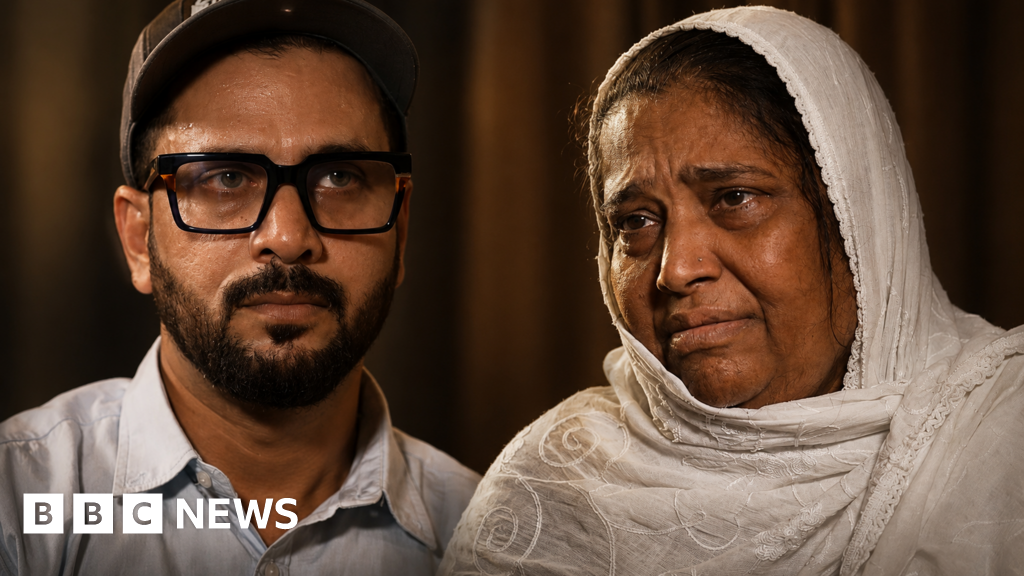
A year after the tragic Air India crash, the Ali family reflects on grief, unanswered questions, and the enduring bonds of love in the face of loss.
BBC Business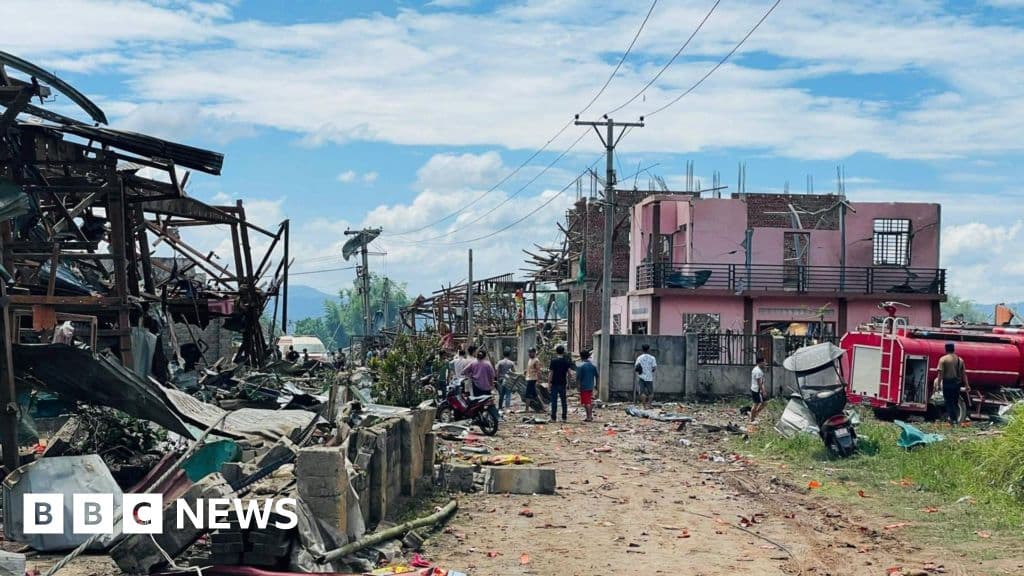
A devastating explosion in Myanmar's Kaung Tat village has killed at least 55 people, raising serious safety concerns and questions about civilian protection in conflict zones.
BBC World