
Image: Mint (Business)
Explore the rising fears of lockdowns in India amid surging oil prices due to the U.S.-Iran conflict. Government measures aim to stabilize the situation.
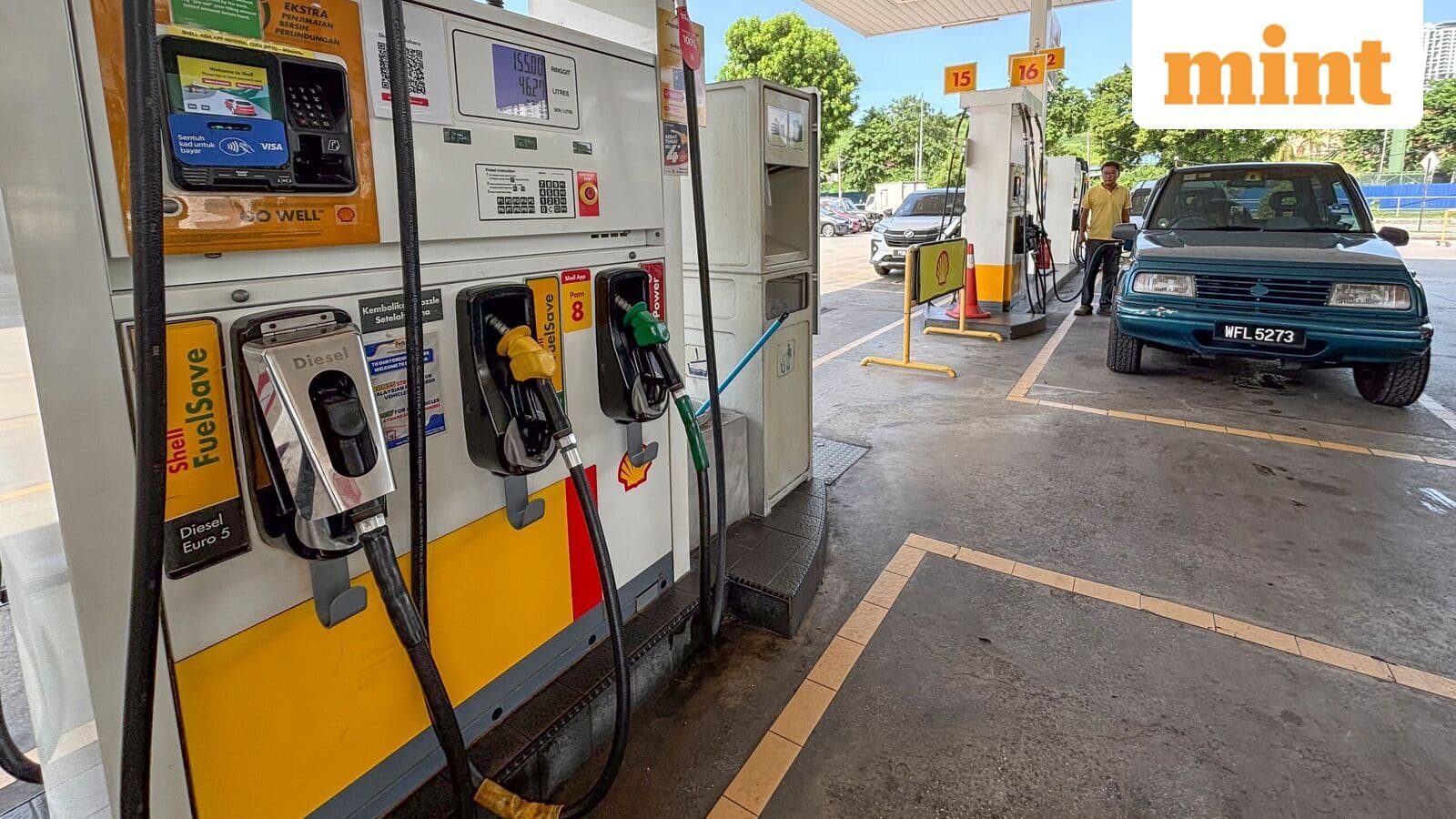
GlipzoThe impact of these rising crude prices is felt most acutely in countries like India, where Oil Marketing Companies (OMCs) are struggling to maintain profitability. As crude costs climb, these companies are losing money on the marketing front since retail prices for petrol and diesel have remained largely static. This precarious situation raises fears that the government may resort to lockdown-like restrictions if the conflict persists, echoing memories of the pandemic.
In response to these pressures, the Indian government has taken steps to alleviate the financial burden on OMCs and consumers alike. Recently, excise duties on petrol and diesel were dramatically reduced by ₹3 per litre for petrol and eliminated entirely for diesel. Additionally, the windfall tax on diesel exports has been established at ₹21.5 per litre. These measures aim to stabilize the market and prevent further price hikes that could lead to public discontent.
In another area of concern, India is currently facing a shortage of Liquefied Petroleum Gas (LPG). The central government reported that supply issues persist due to the ongoing geopolitical tensions, although there have been no significant dry-outs reported. Cylinder deliveries continue as usual, but the government is actively encouraging households and businesses to transition to piped natural gas (PNG), which is a more reliable and locally sourced alternative.
Reports indicate that the U.S. military has targeted over 10,000 military installations in Iran since the beginning of its campaign last month, as stated by CENTCOM Commander Admiral Brad Cooper. This sustained military pressure continues to influence global oil dynamics, contributing to the volatility of prices.
Earlier this month, the government had already increased the prices of both domestic and commercial LPG cylinders, with a ₹60 hike on a 14.2 kg cylinder and a ₹144 increase for a 19 kg commercial cylinder across major cities. No further adjustments have been made since those increases, raising questions about future pricing strategies amid ongoing conflict.
For consumers and businesses alike, the key takeaway is to stay informed about potential changes in fuel pricing and government policies. The government's proactive measures to stabilize prices are commendable, but the threat of significant disruptions looms large. Observers are urged to monitor both domestic and international news closely as the situation develops, especially as the new deadline set by President Trump approaches.
In summary, the interplay between global energy markets, geopolitical tensions, and domestic fuel policies will be crucial in shaping the economic landscape in the near future. The government’s efforts to maintain stability in fuel prices will be tested as market reactions unfold in response to ongoing events in the Middle East.
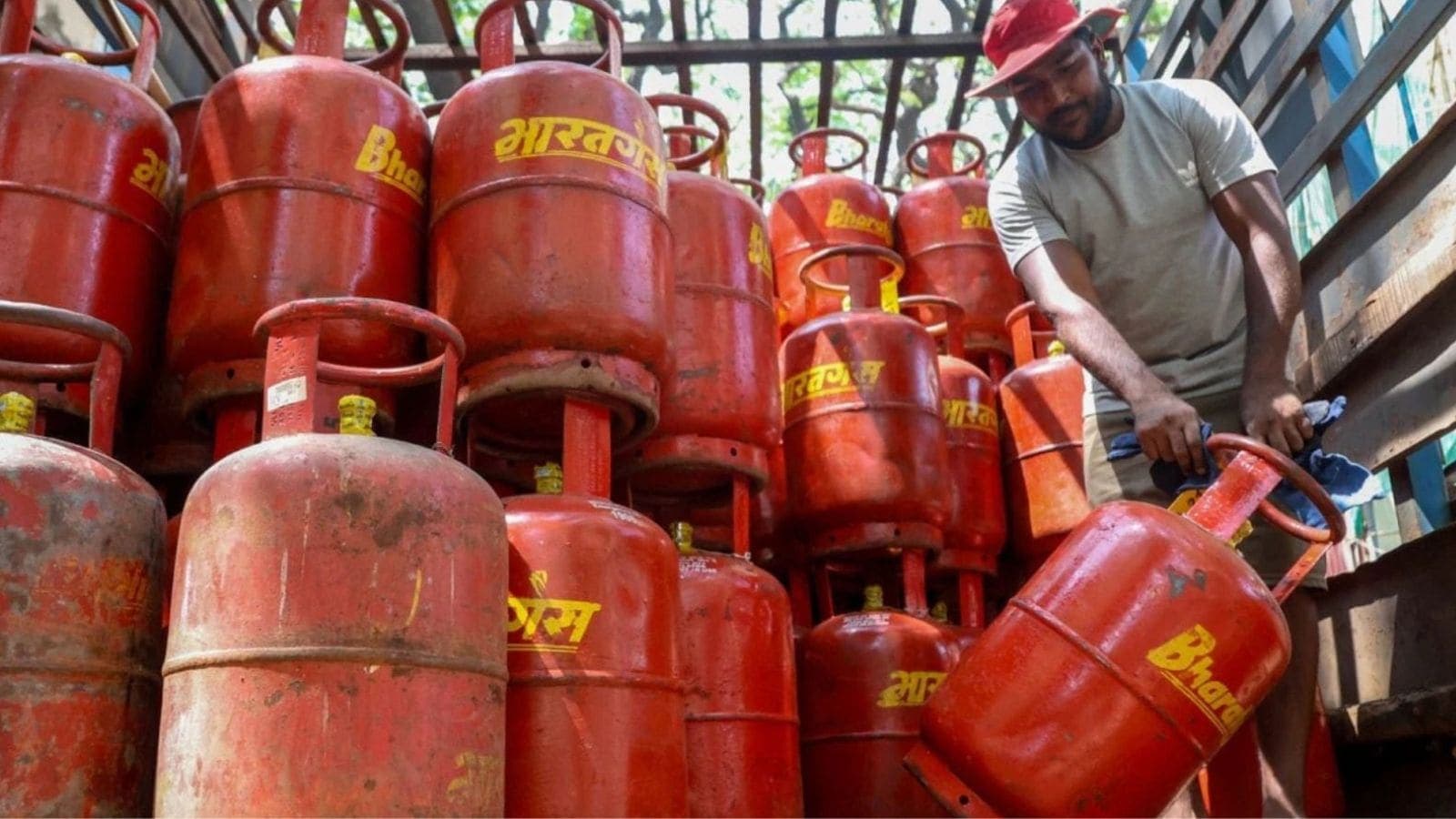
Commercial LPG prices have risen again, with increases of ₹42 in Delhi and ₹53.50 in Kolkata impacting businesses and consumers alike. Find out more.
Indian Express
Discover how a tragic coal mine explosion in Shanxi, China, reveals ongoing safety concerns in the industry amidst a push for green energy.
BBC Business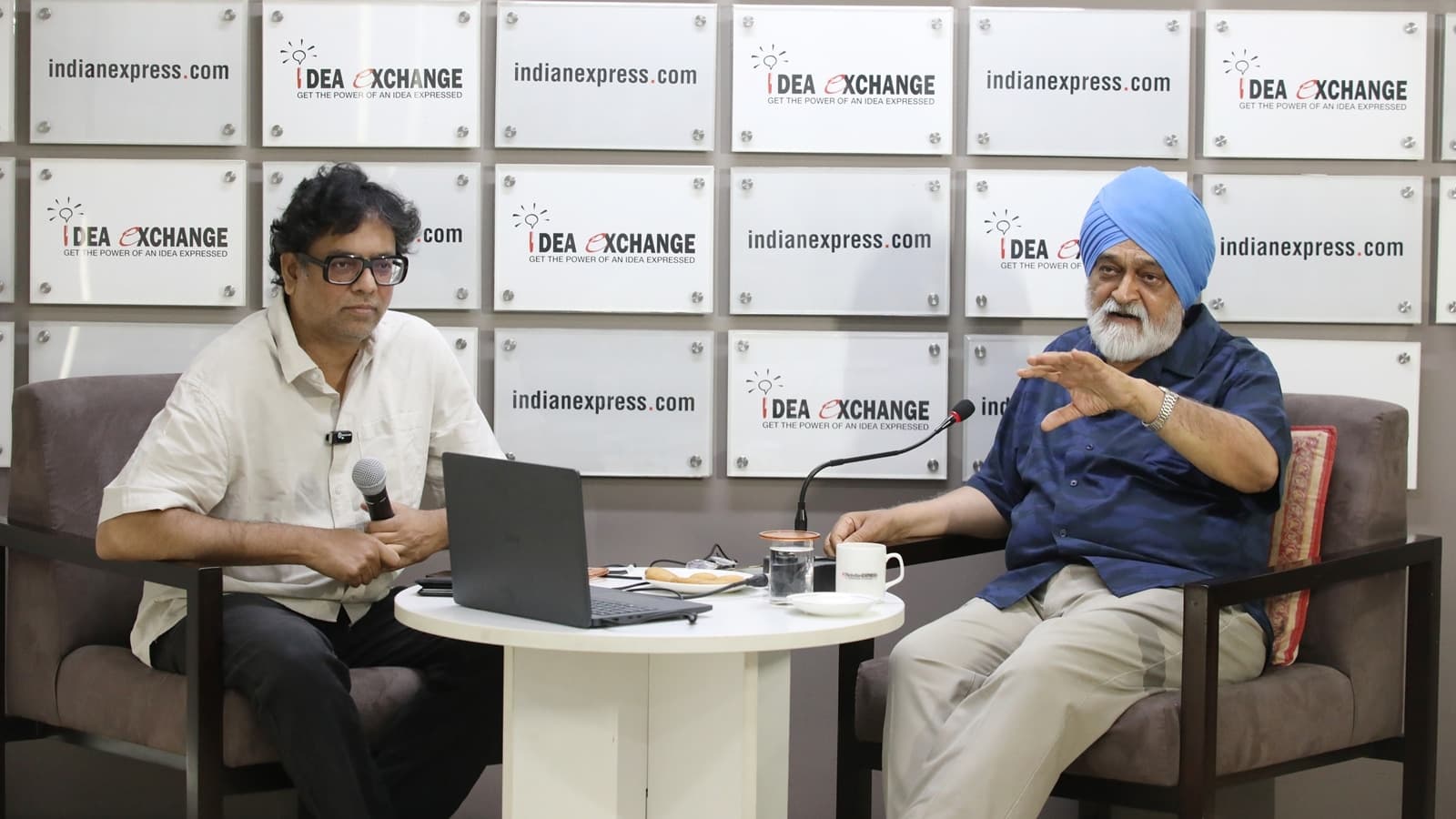
Montek Singh Ahluwalia highlights key economic challenges for India, emphasizing the need for a strategic approach to balance payments and investment.
Indian Express