
Image: Mint (Business)
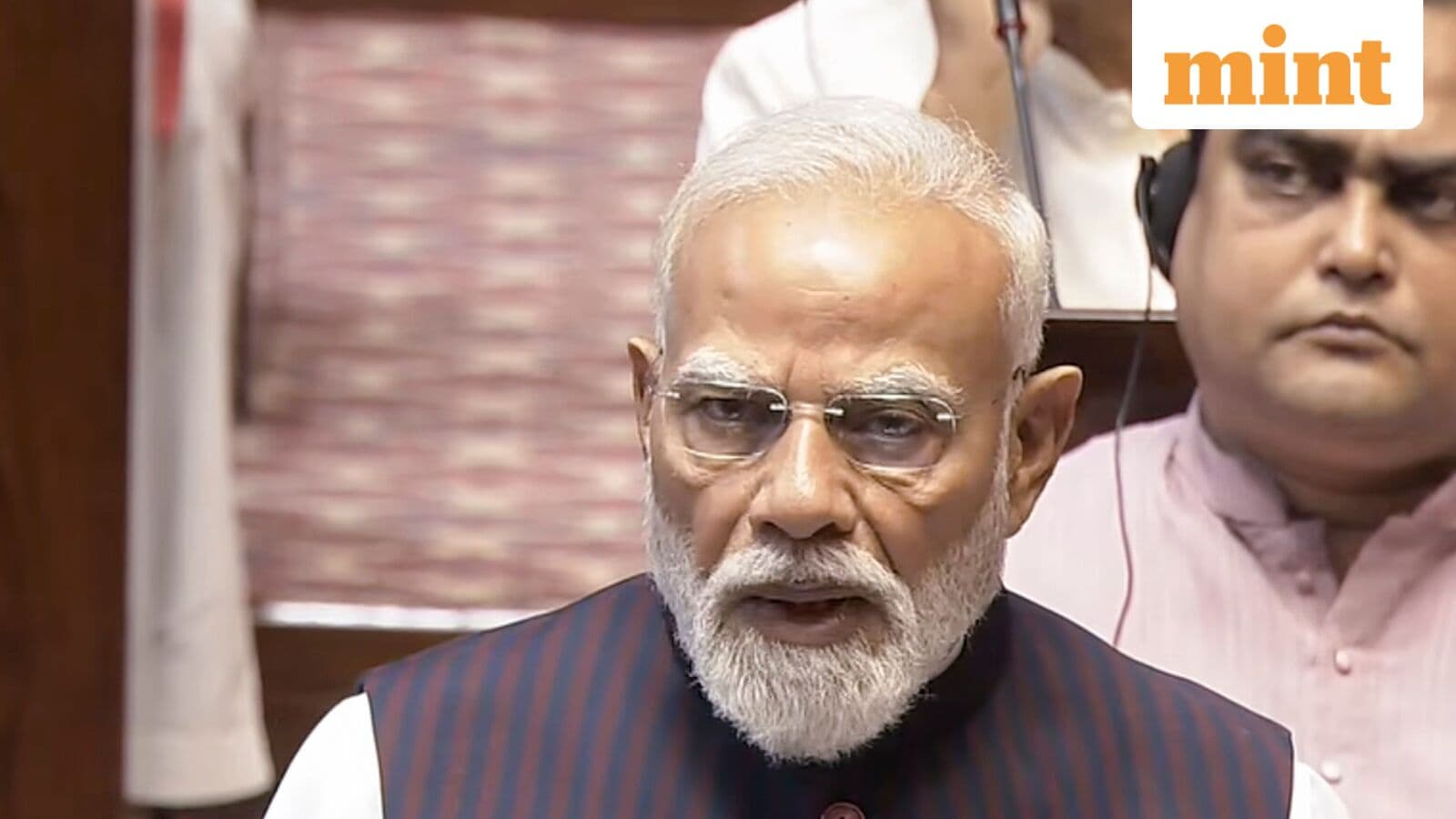
PM Modi meets with chief ministers today to address the West Asia conflict, focusing on energy security and citizen safety amid rising tensions.
GlipzoPrime Minister Narendra Modi is set to engage in a virtual dialogue with chief ministers from various states and Union Territories today, March 27, at 6:30 PM. This crucial meeting, as reported by government sources, aims to examine the preparedness and strategies in light of the escalating conflict in West Asia.
With the ongoing war affecting global dynamics, particularly concerning LPG and oil supplies, the meeting underscores the government's proactive approach to addressing the situation. However, chief ministers from states and the Union Territory facing elections will not participate due to the Model Code of Conduct (MCC) in effect.
This meeting marks the first time PM Modi will convene with state leaders specifically regarding the West Asia conflict, which ignited on February 28 following a military assault by the US and Israel on Iran. In retaliation, Iran has targeted its Gulf neighbors, escalating tensions in the region significantly.
The primary focus of the upcoming virtual meeting is to ensure a collective response from states, embodying the spirit of 'Team India'. The government has emphasized the importance of synergizing efforts to navigate the complexities introduced by the ongoing war.
According to sources, the discussions will delve into vital areas such as: - Supply chain stability - Energy security - Safety of Indian nationals abroad
This meeting follows an all-party gathering chaired by Defence Minister Rajnath Singh earlier this week, highlighting the government's comprehensive approach to the crisis. During his addresses in both the Rajya Sabha and Lok Sabha, PM Modi has underscored the need for unity and preparedness as the conflict's ramifications could extend longer than anticipated.
The conflict in West Asia has significant implications for India, particularly due to its reliance on the region for energy supplies. The war has disrupted vital maritime routes, particularly through the Strait of Hormuz, a crucial corridor for global oil transportation.
The situation escalated dramatically following the death of Ayatollah Ali Khamenei, Iran's Supreme Leader, which triggered retaliatory attacks on US and Israeli positions across the Gulf. These developments have not only strained diplomatic relations but have also raised alarms about the safety of the Indian diaspora in Gulf nations.
As tensions rise, fuel supply stability has been a critical concern for the Indian government. On Thursday, officials reassured the public that despite the geopolitical turmoil, fuel supplies remain steady and retail outlets are functioning normally.
The Ministry of Petroleum and Natural Gas has issued statements urging citizens to refrain from panic buying, as reports emerged of increased consumer demand driven by fears of impending shortages. They emphasized that: - All retail outlets are operating normally - There are no reported dry-outs at LPG distributorships - Domestic delivery of LPG remains unaffected despite the geopolitical tensions
These reassurances are vital as they aim to quell any rising concerns among the populace regarding fuel availability during this tumultuous period.
As the conflict in West Asia continues to unfold, the Indian government’s focus on maintaining energy security and ensuring the safety of its citizens abroad is paramount. The outcomes of today’s meeting will likely shape India’s strategic responses in the coming weeks.
Observers are keenly watching how state governments will collaborate with the Centre to address these pressing issues. The spirit of Team India, which proved effective during the COVID-19 pandemic, will be crucial in navigating the ongoing crisis.
Moving forward, the government will not only need to manage immediate concerns but also anticipate long-term impacts on trade and energy, particularly if the conflict escalates further. As negotiations and diplomatic efforts continue, the stability of energy supplies and the safety of Indian citizens in the Gulf remain top priorities.
In conclusion, today’s virtual interaction between PM Modi and the chief ministers is a significant step towards unified action in response to the West Asia war. Stakeholders across sectors will be eager to see how this meeting influences both domestic preparedness and international relations as the situation develops.

Tensions soar as the US and Iran engage in air strikes near the Strait of Hormuz, raising concerns over global oil supply and regional stability.
BBC World
Trump's international interventions face serious stalemates. What will this mean for U.S. foreign policy? Explore the critical challenges ahead.
Indian Express
Tehran denies resignation of President Masoud Pezeshkian amid claims of IRGC influence. What does this mean for Iran's political stability? Click to learn more!
Indian Express