

Image: The Hindu
Welding and forging industries voice alarm over LPG shortages impacting operations. Urgent solutions needed to avoid economic repercussions.
GlipzoIn a disturbing development for multiple sectors, industries dependent on LPG, particularly welding, forging, and battery manufacturing, have raised serious concerns regarding a shortage of liquefied petroleum gas (LPG). This alarming situation came to light during a meeting held on March 21, 2026, with Uma Reddy, the president of the Federation of Karnataka Chambers of Commerce and Industry (FKCCI). Industry leaders emphasized that the current supply constraints are severely impacting their daily operations.
During the gathering, industry representatives voiced their frustrations about the growing scarcity of LPG. They reported that the ongoing shortages are not just a minor inconvenience but are beginning to disrupt crucial processes that are essential for maintaining productivity. The sectors that are most affected include: - Welding units - Forging manufacturers - Battery production facilities
"The LPG shortage is threatening our ability to meet production targets and deadlines, which could lead to broader economic repercussions," stated one industry leader. This sentiment reflects the urgent need for solutions that can alleviate the pressures facing these critical sectors.
The implications of an LPG shortage extend beyond just operational headaches for manufacturers. LPG is a vital energy source for various industries; disruptions in its supply can lead to: - Increased production costs - Delayed project timelines - Potential job losses
Moreover, the ripple effect of these challenges could impact consumers, leading to higher prices for goods and services. The economy of Karnataka, which relies heavily on these industries, may face significant setbacks if the situation is not addressed promptly.
Industry leaders are calling for immediate action from the government and regulatory bodies to address the ongoing shortages. During the meeting with FKCCI, several proposals were presented, including: - Increased allocation of LPG supplies to critical industries - Collaboration with suppliers to streamline distribution processes - Exploration of alternative energy sources to reduce dependency on LPG
The urgency of these proposals highlights the need for quick and effective responses to avert a more severe economic crisis.
As the situation develops, stakeholders are watching closely for responses from both industry leaders and government officials. Key areas to monitor include: - Government interventions: Will there be measures put in place to stabilize LPG supplies? - Industry adaptations: How will manufacturers adjust their processes in response to these shortages? - Market trends: Is there a potential shift towards alternative energy sources or technologies?
In conclusion, the LPG shortage poses a significant challenge for Karnataka's welding, forging, and battery manufacturing industries. The outcome of this situation may shape the future of these sectors and their contribution to the economy. As stakeholders engage in discussions and seek solutions, the focus will be on finding sustainable ways to ensure that these critical industries can thrive in the face of adversity.
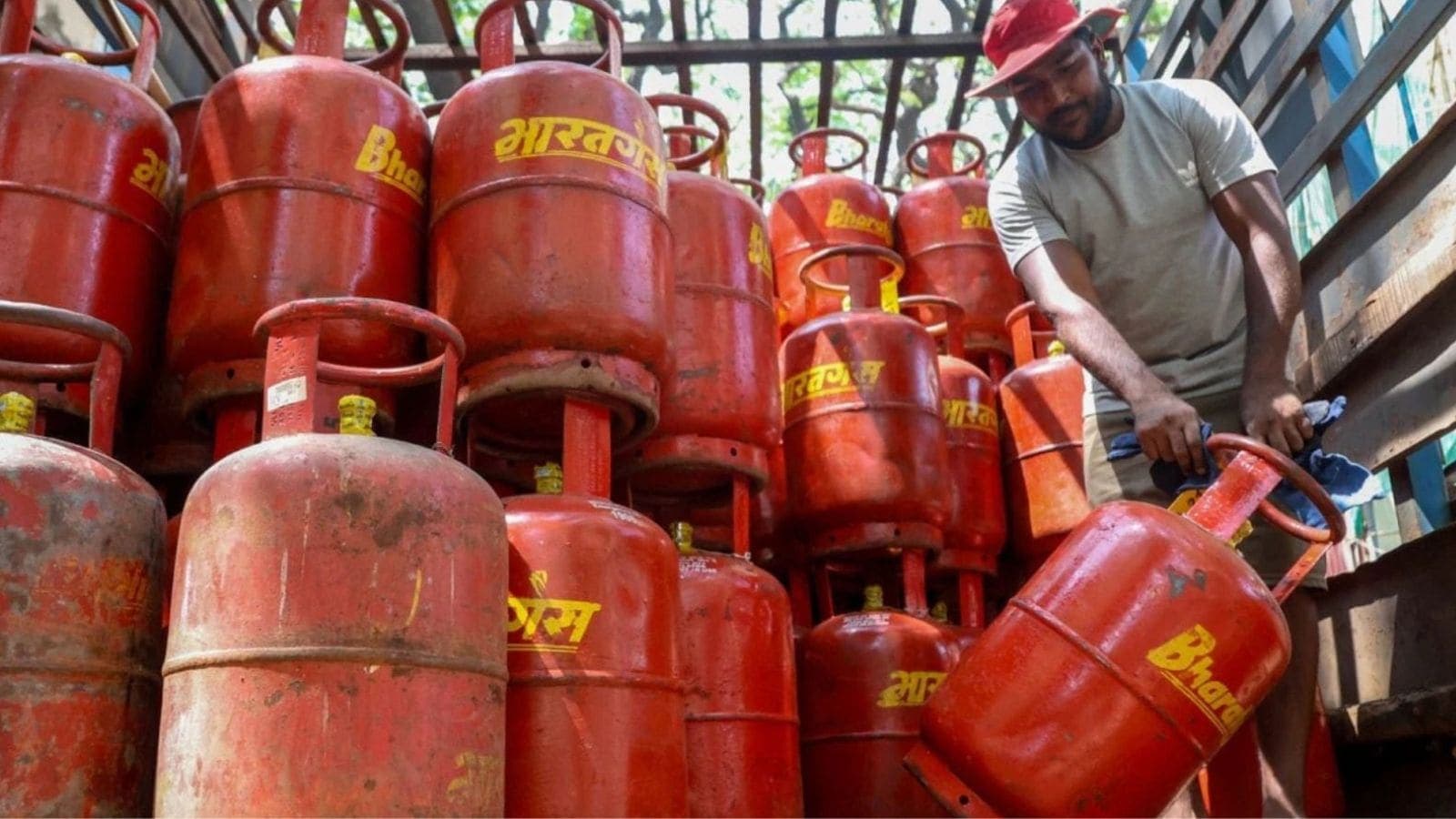
Commercial LPG prices have risen again, with increases of ₹42 in Delhi and ₹53.50 in Kolkata impacting businesses and consumers alike. Find out more.
Indian Express
Discover how a tragic coal mine explosion in Shanxi, China, reveals ongoing safety concerns in the industry amidst a push for green energy.
BBC Business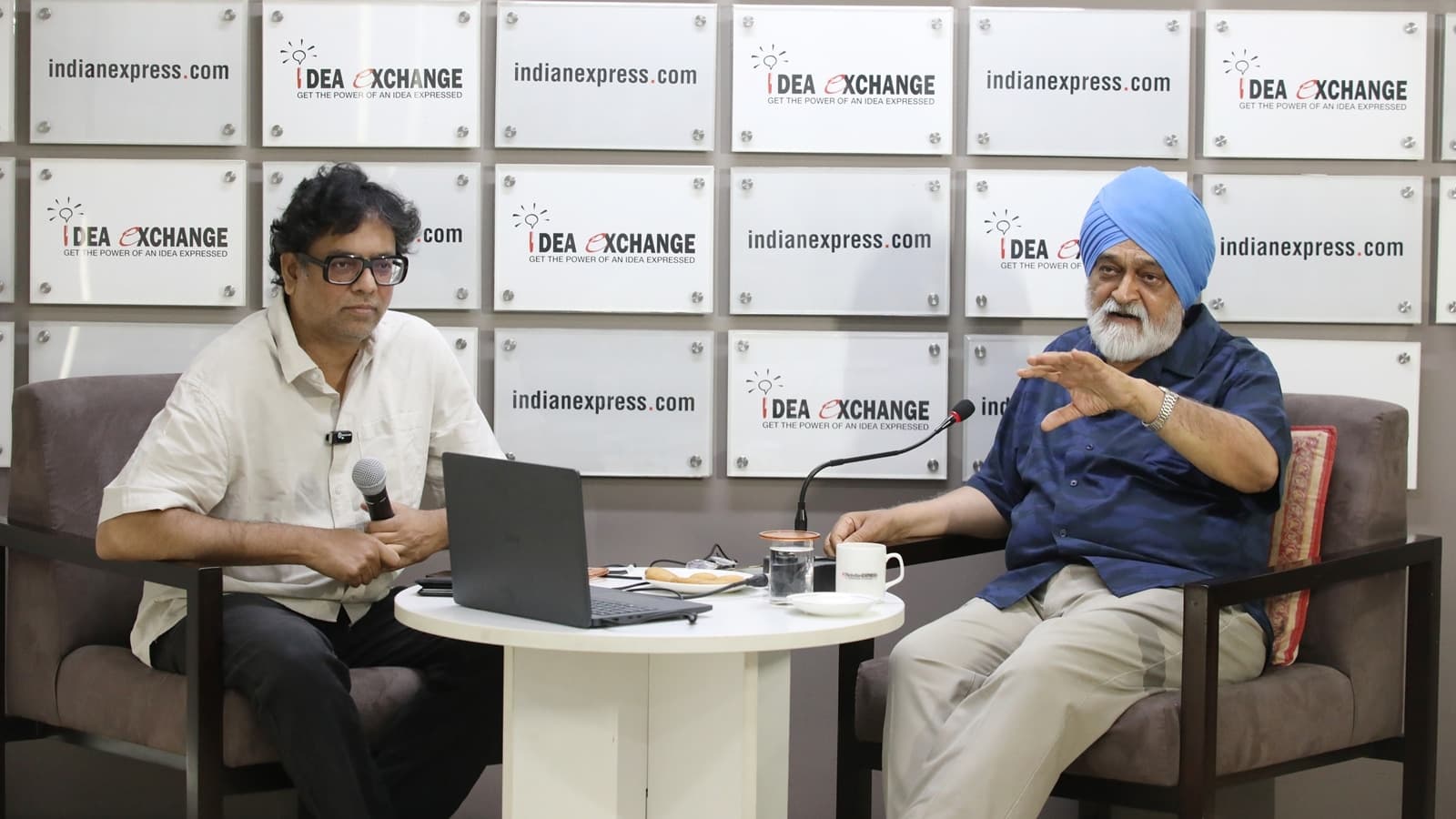
Montek Singh Ahluwalia highlights key economic challenges for India, emphasizing the need for a strategic approach to balance payments and investment.
Indian Express