

Image: The Hindu
Iran's national security chief Ali Larijani is confirmed dead following an Israeli airstrike, escalating tensions in the region. What’s next for Iran?
GlipzoIn a shocking development, Iran's powerful national security chief Ali Larijani has been confirmed dead following an Israeli airstrike, as reported on March 17, 2026. This assassination marks a significant escalation in the ongoing hostilities between Iran and Israel, particularly in light of the recent death of Iran's longtime leader, Ayatollah Ali Khamenei. Khamenei was killed less than three weeks prior in coordinated US-Israeli strikes, which have since ignited a broader conflict in the West Asian region.
The Iranian government has publicly mourned Larijani's death, describing him as a martyr who dedicated his life to advancing Iran and the principles of the Islamic Revolution. The Supreme National Security Council of Iran stated, "After a lifetime of struggle for the advancement of Iran and of the Islamic Revolution, he ultimately attained his long-held aspiration, answered the divine call, and honourably achieved the sweet grace of martyrdom in the trench of service."
As tensions rise, Israel has made it clear that it intends to target Iran's new Supreme Leader, Mojtaba Khamenei, who assumed leadership after his father's death on February 28, 2026. Brigadier General Effie Defrin, an Israeli military spokesperson, issued a stark warning: "We don’t know about Mojtaba Khamenei, we don’t hear him, we don’t see him, but I can tell you one thing: we will track him down, find him, and neutralise him."
Israeli Prime Minister Benjamin Netanyahu characterized Larijani as the "boss of the Revolutionary Guards" and claimed that the Iranian leadership was akin to a criminal organization. He expressed confidence that the Iranian people would eventually rise against their rulers, though he cautioned that such a change would not be immediate or easy.
The assassination of Larijani is a crucial blow to Iran, as he was a key figure in shaping the nation’s defense policies and regional strategy. David Khalfa, co-founder of the Atlantic Middle East Forum, highlighted Larijani's role: "He has effectively been the figure in charge of the regime's survival, its regional policy and its defence strategy."
In the aftermath of Larijani's death, public sentiment in Iran has been charged. Reports indicate that while the upcoming Nowruz celebrations, marking the Persian New Year, are typically festive, this year’s events have been muted. Crowds gathered in Tehran, waving flags and showing solidarity, but there was a palpable atmosphere of mourning amidst the celebrations. Fireworks and celebratory sounds were interspersed with the noise of air defense systems, a stark reminder of the ongoing conflict.
Larijani's funeral service is scheduled for Wednesday morning in central Tehran, alongside the funeral of Gholamreza Soleimani, the head of the Basij paramilitary force, who was also killed in the recent Israeli strikes. Both funerals are expected to draw substantial crowds, reflecting the significance of these figures in Iran’s military and political landscape.
The Israeli military has confirmed a series of airstrikes targeting various positions associated with Iran’s paramilitary forces, including the Basij. These operations are part of a broader strategy that has been labeled a "decapitation policy," aimed at dismantling the leadership of adversaries in the region. Following the October 7, 2023, cross-border attacks by Hamas, Israel has escalated its military efforts against perceived threats.
In addition to Larijani and Soleimani, Israel also targeted Akram al-Ajouri, a leader of the Palestinian Islamic Jihad, in a separate strike, signifying its commitment to confronting groups it views as hostile. This ongoing cycle of violence has raised concerns about a potential wider regional conflict, with stakeholders in the area increasingly on edge.
The assassination of Ali Larijani not only signifies a critical loss for Iran but also raises questions about the future stability of the region. With the leadership vacuum following Ayatollah Khamenei’s death, the Iranian regime faces significant challenges in maintaining authority and unity.
As Israel vows to continue its campaign against Iranian leadership, the potential for further escalations remains high. Observers are watching closely to see how Iran responds to these attacks, particularly as it seeks to rally its population and bolster its military presence in the region.
As the situation unfolds, several key factors will shape the future of Iran-Israel relations and regional dynamics: - Iran's Response: How will Iran retaliate for the loss of Larijani and Soleimani? - Public Sentiment: Will the Iranian populace rally behind the government, or will dissent grow amidst increasing military losses? - International Reactions: How will global powers, particularly the United States, respond to this escalating conflict? - Mojtaba Khamenei's Leadership: Can Iran's new Supreme Leader establish authority and effectively navigate the turbulence?
The coming weeks will be critical in determining the trajectory of these escalating tensions, with the potential for both conflict and diplomatic responses shaping the future of the region.
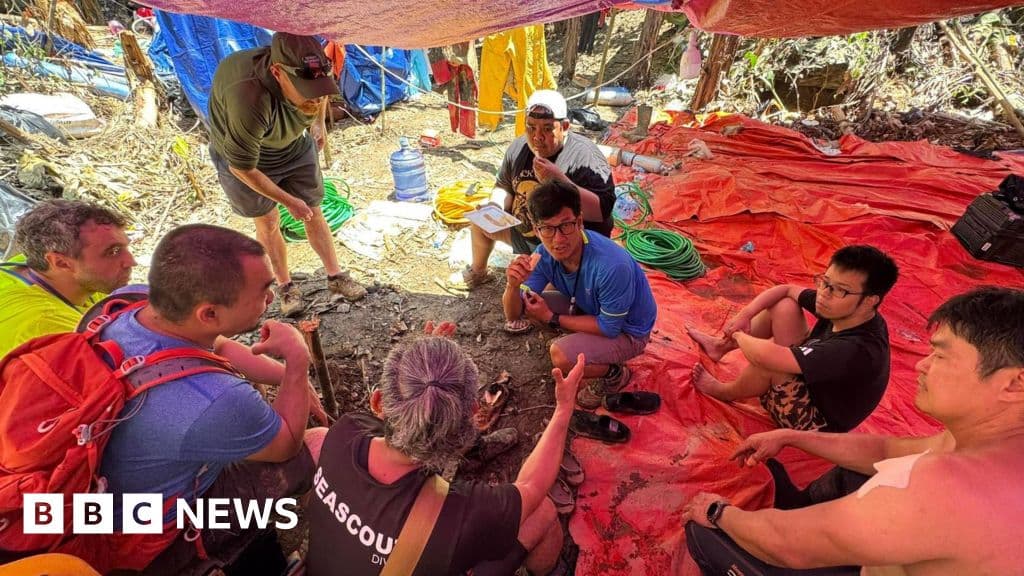
Survivors of the Laos cave rescue are aiding efforts to find the last two missing men trapped inside, sharing crucial insights for the search operation.
BBC World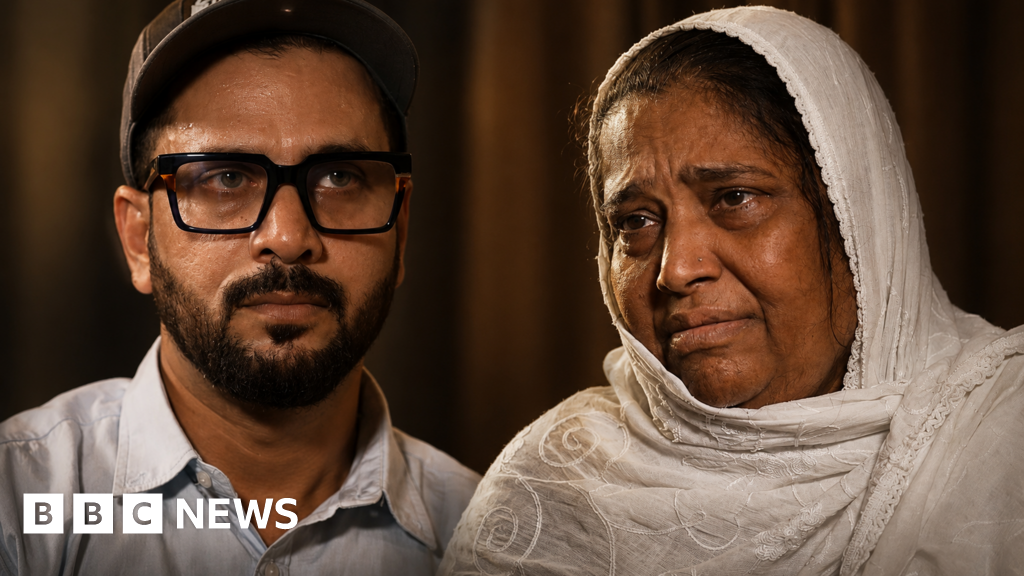
A year after the tragic Air India crash, the Ali family reflects on grief, unanswered questions, and the enduring bonds of love in the face of loss.
BBC Business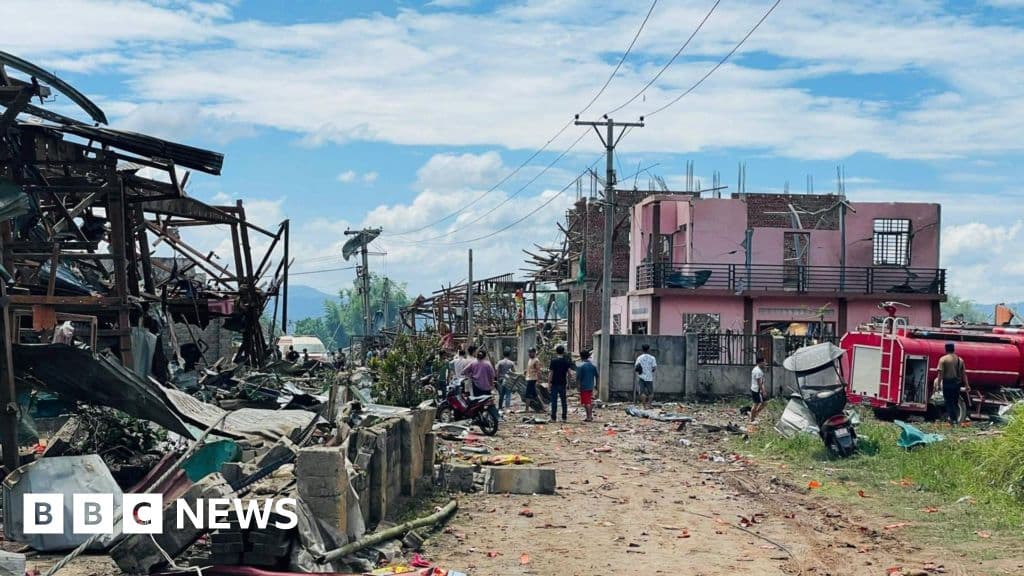
A devastating explosion in Myanmar's Kaung Tat village has killed at least 55 people, raising serious safety concerns and questions about civilian protection in conflict zones.
BBC World