
Image: Mint (Business)
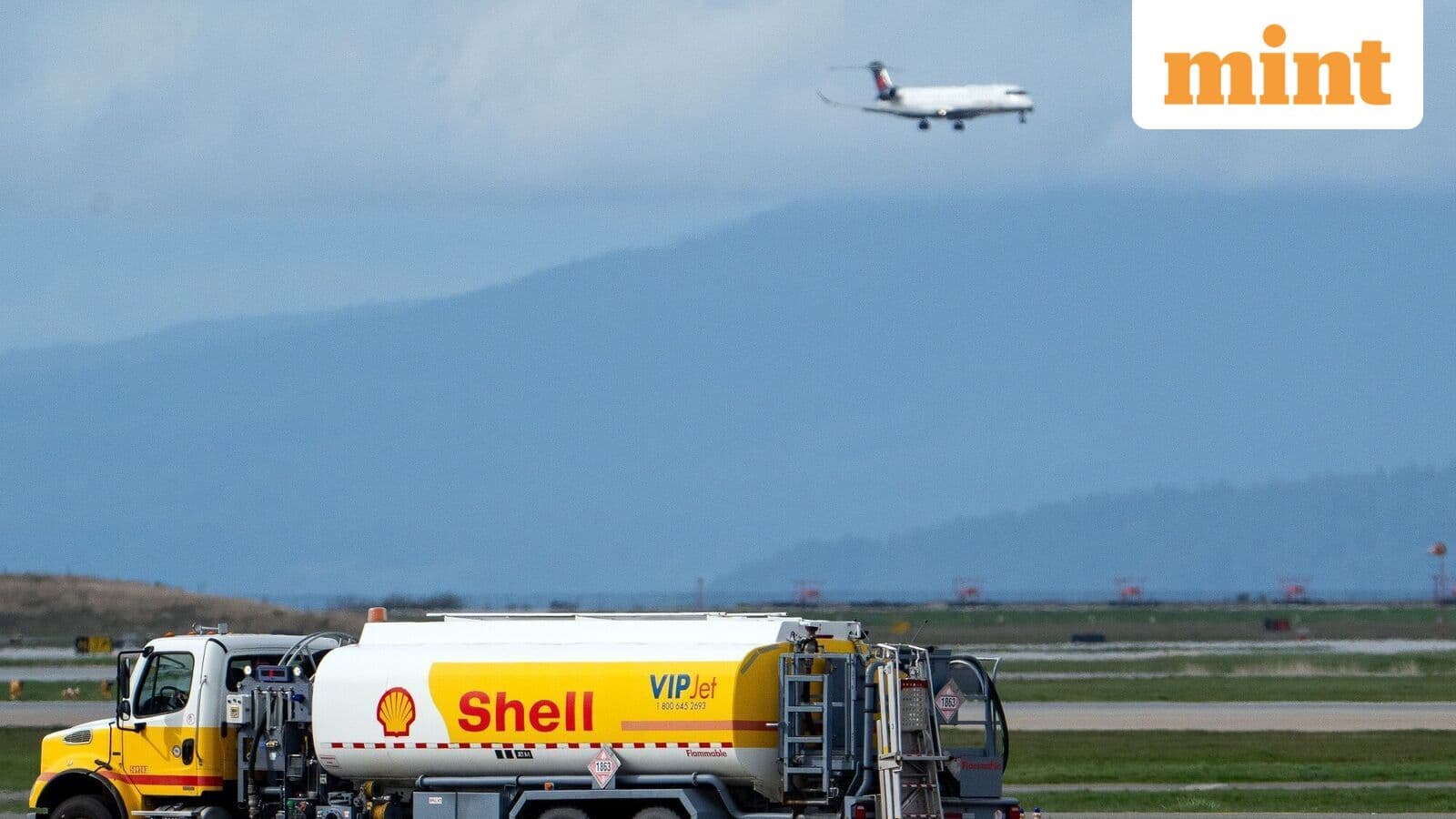
Jet fuel prices surge as India implements a partial hike for domestic airlines while foreign routes face full costs. What does this mean for travelers?
GlipzoOn April 1, 2023, the Union government made a significant announcement regarding aviation turbine fuel (ATF) prices. According to the Ministry of Petroleum and Natural Gas, Oil Marketing Companies (OMCs) have implemented a staggered increase of 25% (approximately ₹15 per litre) for airlines operating within India. This news comes amidst unprecedented upheavals in the global energy market, particularly influenced by geopolitical tensions in West Asia.
The government clarified that while domestic airlines would only face a partial price increase, those operating international routes would be subjected to the full rise in ATF prices. This decision aligns with international pricing norms and aims to maintain competitiveness for foreign routes. The adjustments are part of a broader strategy to manage the fallout from soaring global fuel prices, which reached a record high of ₹2.07 lakh per kilolitre for ATF.
The deregulation of ATF prices in India dates back to 2001, meaning they are revised monthly based on international benchmarks. The Ministry of Petroleum and Natural Gas indicated that due to ongoing crises, including the closure of the Strait of Hormuz, ATF prices were projected to spike by over 100% on April 1. However, a structured approach was taken to shield domestic airlines from the full brunt of these increases, ensuring that they would only encounter a limited rise in costs.
In a statement, Union Minister of Civil Aviation Ram Mohan Naidu Kinjarapu expressed gratitude to Prime Minister Narendra Modi and Union Petroleum Minister Hardeep Puri for their intervention. He emphasized that this measured approach would help mitigate significant fare increases for passengers and ease financial pressures on domestic airlines.
“This calibrated approach will help shield passengers from sharp fare increases, ease the burden on domestic airlines, and support the continued stability of the aviation sector at this crucial juncture,” Kinjarapu noted in a post on X.
The rising costs of fuel are particularly concerning for airlines, as fuel expenditures already account for about 40% of their operating costs. The fuel price spike will further strain airlines that have been forced to adjust their routes due to airspace restrictions resulting from the ongoing conflict in Ukraine.
The increase in jet fuel prices is not isolated. Alongside the ATF price hike, commercial LPG rates also saw a substantial rise of ₹195.50 per cylinder. This trend highlights the broader implications of fluctuating global oil prices on domestic energy costs, which are linked to various international events, including the ongoing war in West Asia.
Industry experts are closely monitoring how these price adjustments will affect not only airlines but also the wider economy. The aviation sector plays a critical role in facilitating trade and logistics, and maintaining stable air travel costs is essential for economic continuity.
As we look ahead, the aviation industry faces a challenging landscape. The consequences of the latest fuel price hikes will likely reverberate through the sector, affecting ticket prices and operational strategies. Here are some factors that will shape the future of the industry:
The recent rise in jet fuel prices marks a pivotal moment for the Indian aviation sector, with both immediate and long-term implications. As fuel costs soar and geopolitical tensions remain high, the industry must navigate a turbulent environment while striving to maintain service quality and affordability for passengers. Stakeholders will be watching closely to see how airlines respond to these challenges and what measures the government may implement to support this critical sector in the weeks and months ahead.
Stay informed about the latest developments in the aviation industry and the broader economic landscape as this story unfolds.

Commercial LPG prices have risen again, with increases of ₹42 in Delhi and ₹53.50 in Kolkata impacting businesses and consumers alike. Find out more.
Indian Express
Discover how a tragic coal mine explosion in Shanxi, China, reveals ongoing safety concerns in the industry amidst a push for green energy.
BBC Business
Montek Singh Ahluwalia highlights key economic challenges for India, emphasizing the need for a strategic approach to balance payments and investment.
Indian Express