

Image: BBC Business
Discover the Bank of England's critical findings on mortgages, energy costs, and inflation as geopolitical tensions reshape the UK economy.
GlipzoThe Bank of England has disclosed significant insights regarding how ongoing geopolitical tensions, particularly the Iran conflict, are influencing the financial landscape in the UK. As the situation unfolds, potential changes in interest rates, mortgage payments, and energy costs loom large for millions of households across the nation.
In a recent report, the Bank indicated that while it has opted to maintain current interest rates for now, future increases are highly probable. The dynamics of the conflict have forced economists to reconsider earlier predictions that interest rates would decline this year. The Bank's governor emphasized that the long-term impacts of the war are uncertain, leading to various scenarios that could affect economic stability.
Historically, the majority of experts anticipated a drop in interest rates for 2023. However, the Iran war has shifted those expectations significantly. The Bank has indicated that it is prepared to implement rate increases later in the year, depending on the trajectory of energy prices and inflation.
Such rate hikes would have immediate repercussions on borrowing costs and savings returns, affecting millions of consumers and businesses alike.
With over seven million homeowners in the UK holding fixed-rate mortgages, the implications of potential interest rate hikes are critical. Around 87% of all mortgages are fixed, meaning their interest rates remain unchanged until the end of their term, which typically lasts two to five years.
According to the Bank's projections, those who will need to refinance in the next three years can expect their average monthly payments to increase by approximately £80. However, this figure is merely an average; actual changes may vary significantly based on individual circumstances and energy price trends.
The ongoing conflict in the Middle East has already led to predictions of increased domestic energy bills this summer. The Bank of England anticipates that the current annual household energy bill, which averages £1,641, will approach £1,900 by July and remain elevated through the rest of the year. While this represents an increase, it is still projected to be lower than the peaks witnessed following Russia's invasion of Ukraine in 2022.
As energy prices surge, inflation is expected to accelerate, impacting everyday essentials, particularly food and fuel. The Bank forecasts that food price inflation could reach 4.6% by September, with the possibility of further increases as the year progresses.
This situation poses significant challenges for lower-income households, which allocate a substantial portion of their budgets to essential expenses. As energy and food prices rise, these families face a more considerable strain on their finances, particularly given that many are left with minimal savings after the disruptions caused by the COVID-19 pandemic.
The insights provided by the Bank of England underscore the interconnectedness of global events and domestic financial health. As international tensions impact energy prices, the ripple effects can exacerbate inflation and strain household budgets across the UK.
The potential for increased interest rates, coupled with rising energy costs, highlights the precarious financial situation many households find themselves in. With an uncertain economic future, it will be crucial for consumers to remain vigilant and informed about their financial options.
As we navigate the complexities of the current economic landscape, several key factors will be critical to monitor: - The trajectory of energy prices in relation to the ongoing conflict. - The Bank of England’s decisions on interest rates in the coming months. - The impact of rising costs on consumer spending and confidence.
By keeping an eye on these developments, households can better prepare for potential shifts in their financial situations, ensuring they are equipped to handle the challenges that lie ahead.
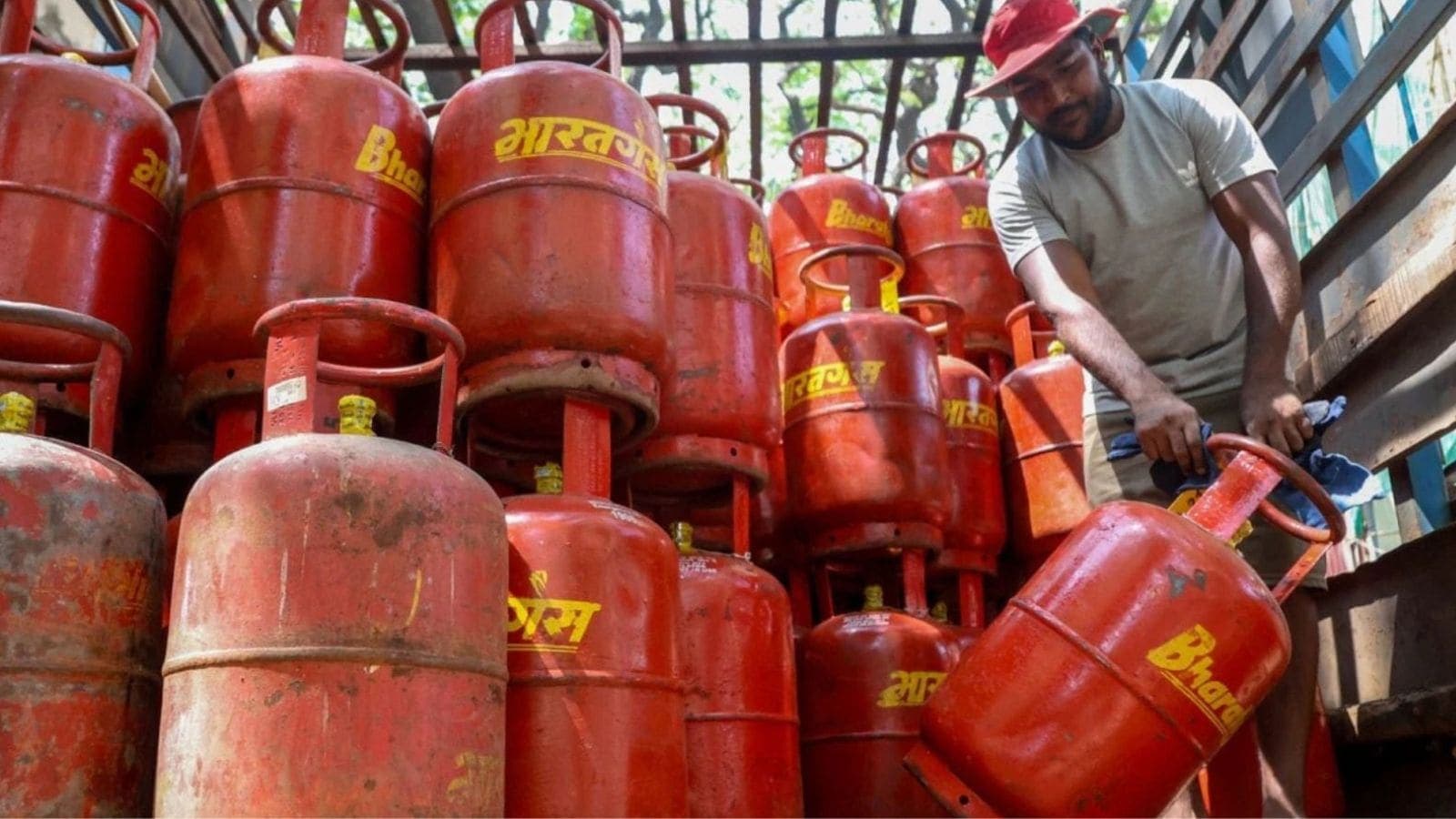
Commercial LPG prices have risen again, with increases of ₹42 in Delhi and ₹53.50 in Kolkata impacting businesses and consumers alike. Find out more.
Indian Express
Discover how a tragic coal mine explosion in Shanxi, China, reveals ongoing safety concerns in the industry amidst a push for green energy.
BBC Business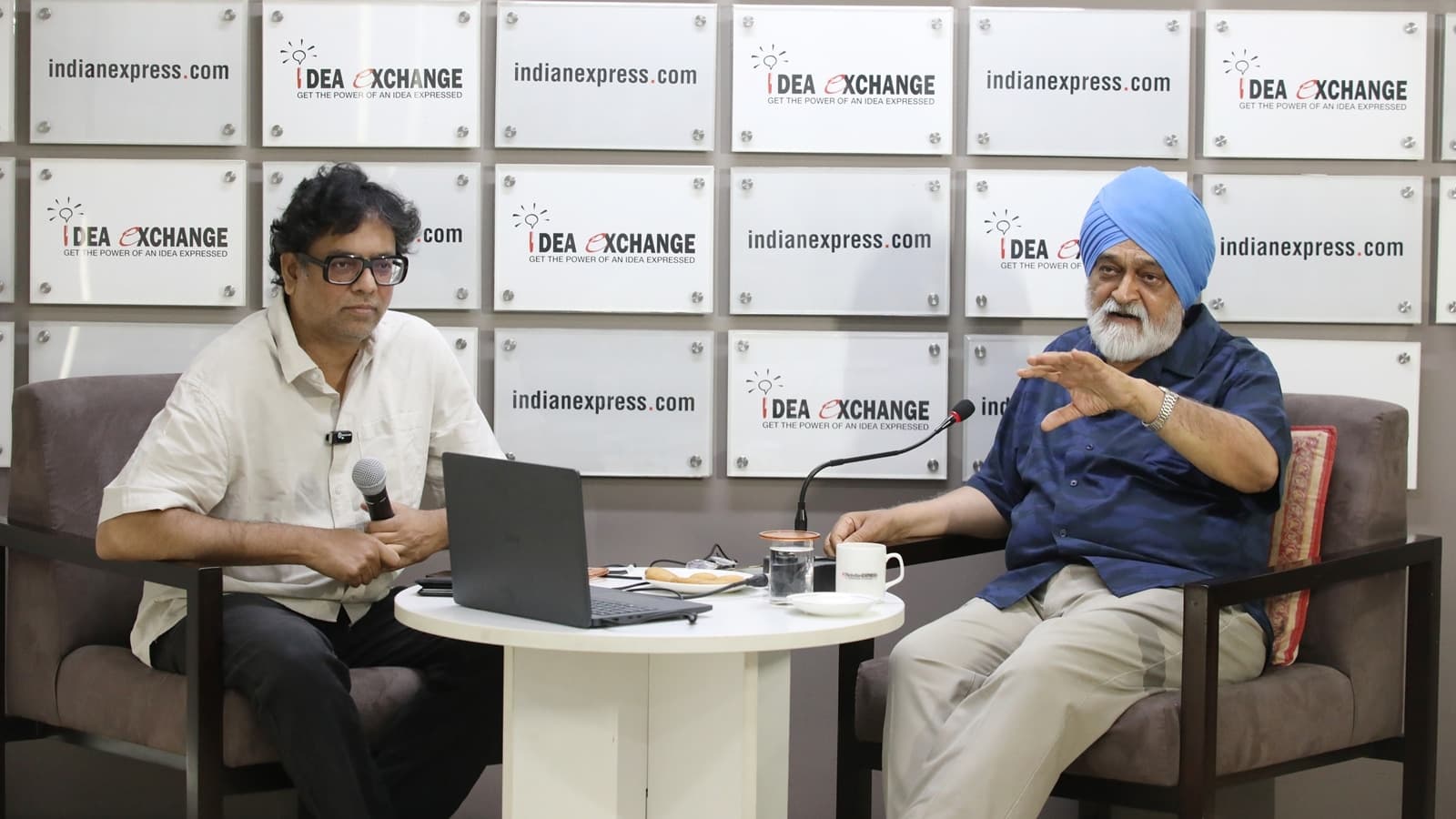
Montek Singh Ahluwalia highlights key economic challenges for India, emphasizing the need for a strategic approach to balance payments and investment.
Indian Express