

Image: BBC Business
Discover how the latest inflation figures affect UK households, from rising fuel prices to potential changes in food costs. Stay informed!
GlipzoInflation in the UK has reached a notable rate of 3.3%, primarily driven by surging fuel prices. This significant increase comes as economic ripples from distant conflicts, particularly the war in Ukraine, are felt across the country. As consumers brace for potential hikes in food costs and travel fares, it raises pressing questions: How high might inflation climb? What implications does this hold for borrowers and savers?
Despite the prevailing sentiment that inflation is on an unrelenting rise, the reality may be more nuanced, particularly in the short term. Recent trends in energy prices provide a glimmer of hope. The domestic energy price cap has decreased this month, reflecting movements in global energy markets that occurred months prior. Consequently, households using an average amount of gas and electricity will see their bills drop by approximately £10 per month. This reduction is expected to exert some downward pressure on inflation.
However, it’s crucial to remain cautious. Projections indicate that energy bills could rebound with the new price cap set for July, largely due to ongoing geopolitical tensions.
In a related development, petrol prices have recently started to decline, as wholesale oil prices stabilize. Nonetheless, they remain approximately 25p higher per litre compared to pre-war levels, while diesel prices exceed previous rates by more than 40p.
Moreover, fluctuations in airfares also play a pivotal role in the inflation narrative for March. The timing of Easter this year resulted in a spike in airfares, as the data reflects peak travel demand. The Office for National Statistics (ONS) collected fare information in February, before the war’s effects began to manifest in travel expenses, suggesting a potential easing in airfares in subsequent months.
Analysts are cautiously optimistic that inflation may dip below 3% in April. However, projections indicate a potential peak near 4% later this year, which is a stark contrast to the 11% inflation rate recorded in 2022 at the onset of the Ukraine crisis.
The increase in food inflation appears to be seasonally driven, particularly affecting Easter-related items like confectionery and meat. As we look ahead, it’s important to recognize that price pressures will likely persist but at a more gradual pace. Food producers often purchase commodities, such as energy and fertilizers, months in advance, meaning that any price adjustments may not be immediately evident in supermarkets.
The food and drink sector is particularly sensitive to energy costs, with the Food and Drink Federation warning that prices could surge by 9 to 10% by year-end. However, consumers are more budget-conscious than in previous years, having adapted their spending habits amid economic uncertainty.
The Bank of England has a pivotal role in managing inflation, aiming for a target rate of 2%. Before the war, the outlook for inflation suggested possible rate cuts, but the subsequent geopolitical turmoil has altered that trajectory. Initially, there was speculation of several rate increases to combat rising inflation.
The Bank has since indicated a shift toward a more cautious strategy, recognizing that domestic interest rates have limited influence over global energy prices. An energy price shock could dampen consumer spending and hinder economic growth, suggesting that aggressive rate hikes might exacerbate the situation rather than improve it.
As we navigate these fluctuating economic conditions, it’s essential for consumers to stay informed about inflation trends and their potential impacts. The interplay between global events, energy prices, and consumer behavior will shape the economic landscape in the coming months.
As inflation remains a critical concern, individuals should prepare for potential shifts in pricing strategies and evaluate their financial decisions carefully. Keeping an eye on Bank of England policies and energy price trends will be crucial in understanding the broader economic implications.
In summary, while there may be some short-term relief in energy bills and potential easing in airfares, the landscape remains uncertain. Consumers should brace for gradual price adjustments in various sectors as the year progresses, all while being mindful of the broader economic forces at play.
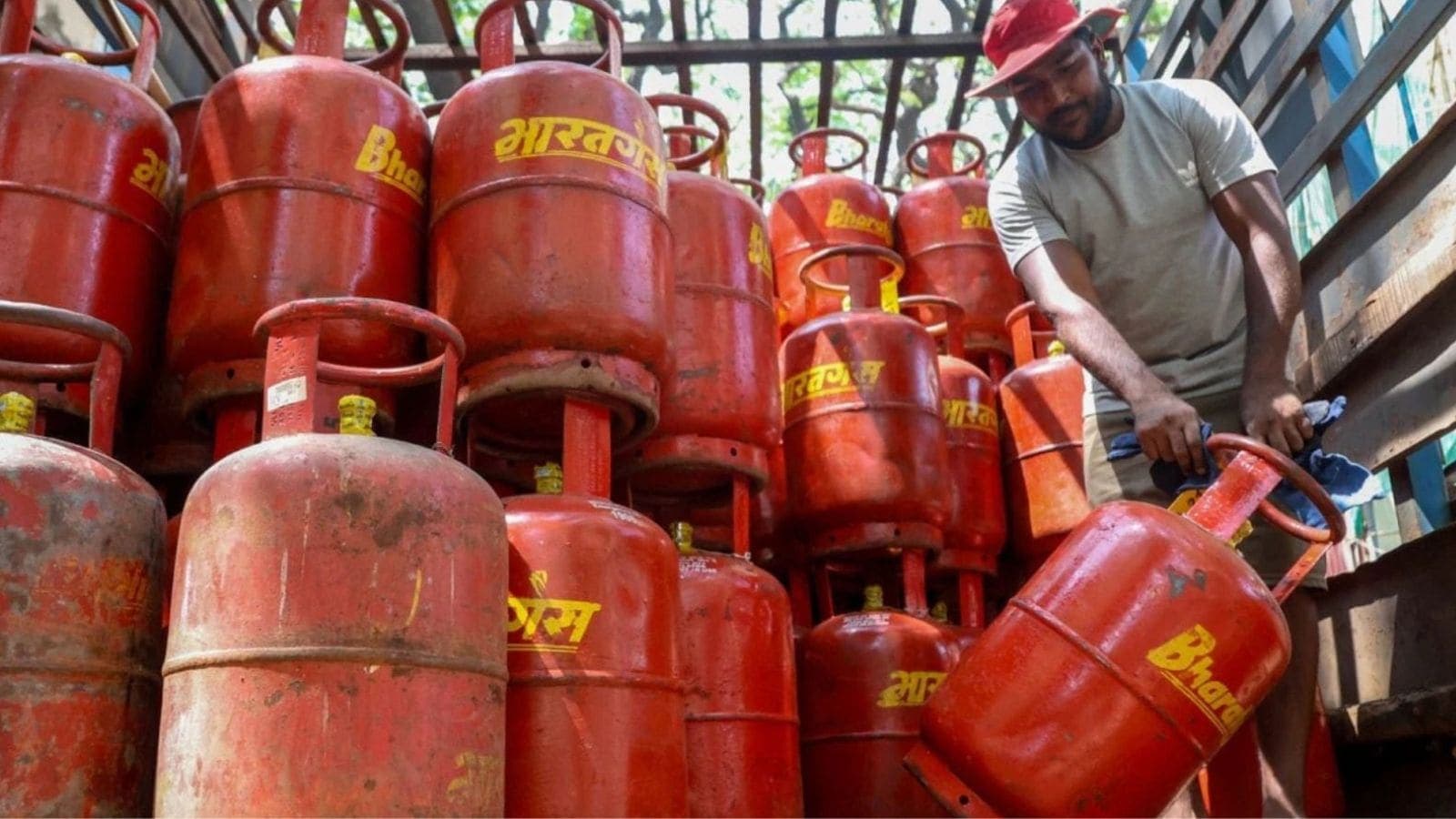
Commercial LPG prices have risen again, with increases of ₹42 in Delhi and ₹53.50 in Kolkata impacting businesses and consumers alike. Find out more.
Indian Express
Discover how a tragic coal mine explosion in Shanxi, China, reveals ongoing safety concerns in the industry amidst a push for green energy.
BBC Business
Montek Singh Ahluwalia highlights key economic challenges for India, emphasizing the need for a strategic approach to balance payments and investment.
Indian Express