
Image: BBC Business
US inflation has surged to 3.8% amid rising energy costs linked to the Iran war. What does this mean for consumers and the economy? Click to find out!
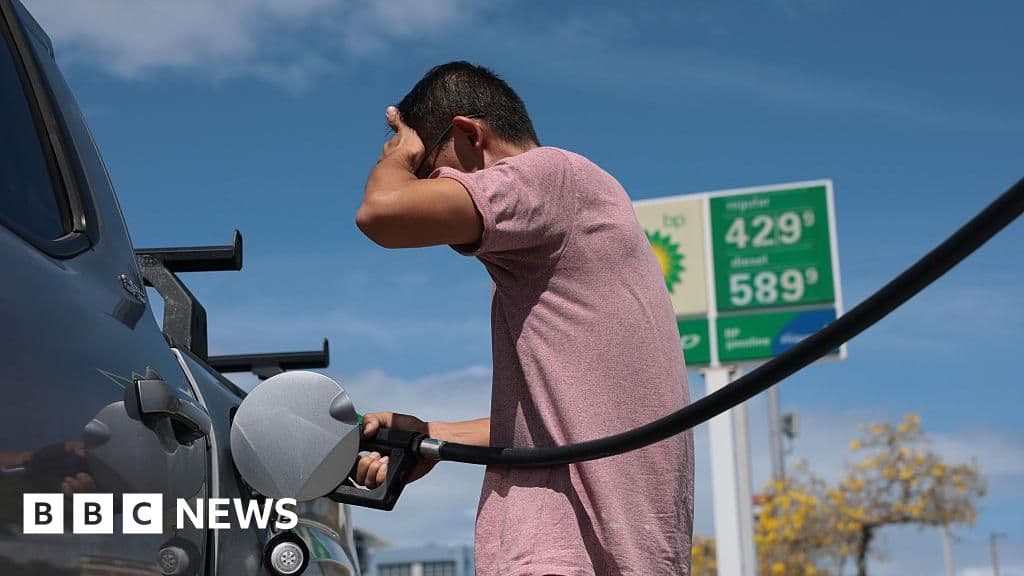
GlipzoIn a startling development, US inflation rose to 3.8% in April, marking the most significant increase since May 2023. The surge is attributed primarily to escalating energy costs, greatly influenced by the ongoing conflict in Iran. Consumers across the country are feeling the pinch, particularly at the gas pump and grocery stores, as essential goods become increasingly costly.
The Consumer Price Index (CPI) reflects this alarming trend, indicating that prices have risen by 3.8% over the past year. This figure is particularly concerning as it represents the highest inflation rate since it reached 4% three years ago. According to the Bureau of Labor Statistics (BLS), nearly half of this inflation spike can be traced back to the soaring energy prices, with housing and food expenses also playing a significant role.
The conflict involving the US-Israel war in Iran, which has led to the effective closure of the Strait of Hormuz, a critical shipping route, has had a profound impact on oil prices. This geopolitical unrest has resulted in a surge in gasoline prices in the United States, with the national average for a gallon of unleaded gasoline reaching $4.50 (£3.33), the highest rate since July 2022.
The rising costs of energy are not only affecting fuel prices but are also contributing to a broader increase in the cost of living for Americans. The implications of these rising prices extend beyond mere consumer inconvenience; they have significant ramifications for economic policy and political landscapes.
The uptick in inflation from 3.3% in March to 3.8% in April complicates matters for the Federal Reserve as it considers future interest rate policies. With inflation on the rise, the likelihood of any interest rate cuts this year appears to be diminishing. Isaac Stell, an investment manager at the Wealth Club, remarked that the recent inflation data leaves the possibility of interest rate hikes firmly on the table.
The timing is particularly noteworthy as Kevin Warsh, recently appointed by former President Donald Trump, is set to succeed Jerome Powell as the chair of the Federal Reserve. Stell noted that Warsh will enter his new role with “little room for maneuver,” suggesting he may have to adopt a more cautious approach given the current economic climate.
The rising inflation poses a significant challenge for Trump and the Republicans, especially with the November midterm elections on the horizon. Trump's campaign for re-election has heavily focused on his plans to combat inflation, which is now becoming a sore point for his party.
In response to the latest inflation figures, Trump described the situation as a “short-term” issue and asserted that Americans would understand his priority of preventing Iran from developing nuclear weapons. He also pointed out that the current inflation rate is lower than the peak of 9.1% experienced during Joe Biden's presidency in June 2022.
According to Danni Hewson, head of financial analysis at AJ Bell, Americans are particularly sensitive to gasoline prices. The sentiment is palpable, especially since Trump was elected on the promise that he would lower these costs. As the midterms approach, increasing prices for weekly groceries could become a significant political liability for the current governing party.
In addition to fuel prices, other consumer goods have also seen price increases. Notably, airfares rose by 20.7% in April, and clothing costs have also climbed. Meanwhile, the price of new cars has experienced a slight decline, providing a small silver lining in an otherwise challenging economic picture.
The closure of the Strait of Hormuz has further aggravated the situation, contributing to spikes in jet fuel prices that airlines are now passing directly to consumers. For travelers, this translates into higher costs for air travel, which could dampen holiday plans or business trips.
For the first time in three years, the data reveals that Americans' wages are no longer outpacing inflation. While prices surged by 3.8%, average paychecks have only increased by 3.6%. This wage stagnation, coupled with rising costs, leaves many households in a precarious financial position, making it increasingly difficult for them to maintain their standard of living.
In response to the inflationary pressures, US stock markets reacted negatively, with the S&P 500 dropping by 0.6% and the Dow Jones Industrial Average falling by 0.7%. Investors are clearly concerned about the implications of continued inflation on economic growth and corporate profits.
As inflation continues to rise, several critical factors will play a role in shaping the economic landscape going forward. Whether the Federal Reserve will adjust interest rates in response to these inflationary pressures remains a significant question. Additionally, how the political ramifications of rising prices will impact the upcoming midterm elections is a vital issue to watch.
For consumers, the ongoing increases in essential goods and services could lead to shifts in spending habits, potentially influencing broader economic trends. With the situation in Iran still uncertain, the potential for further fluctuations in energy prices looms large. Monitoring these developments will be essential for understanding the future of inflation and its impact on the American economy.
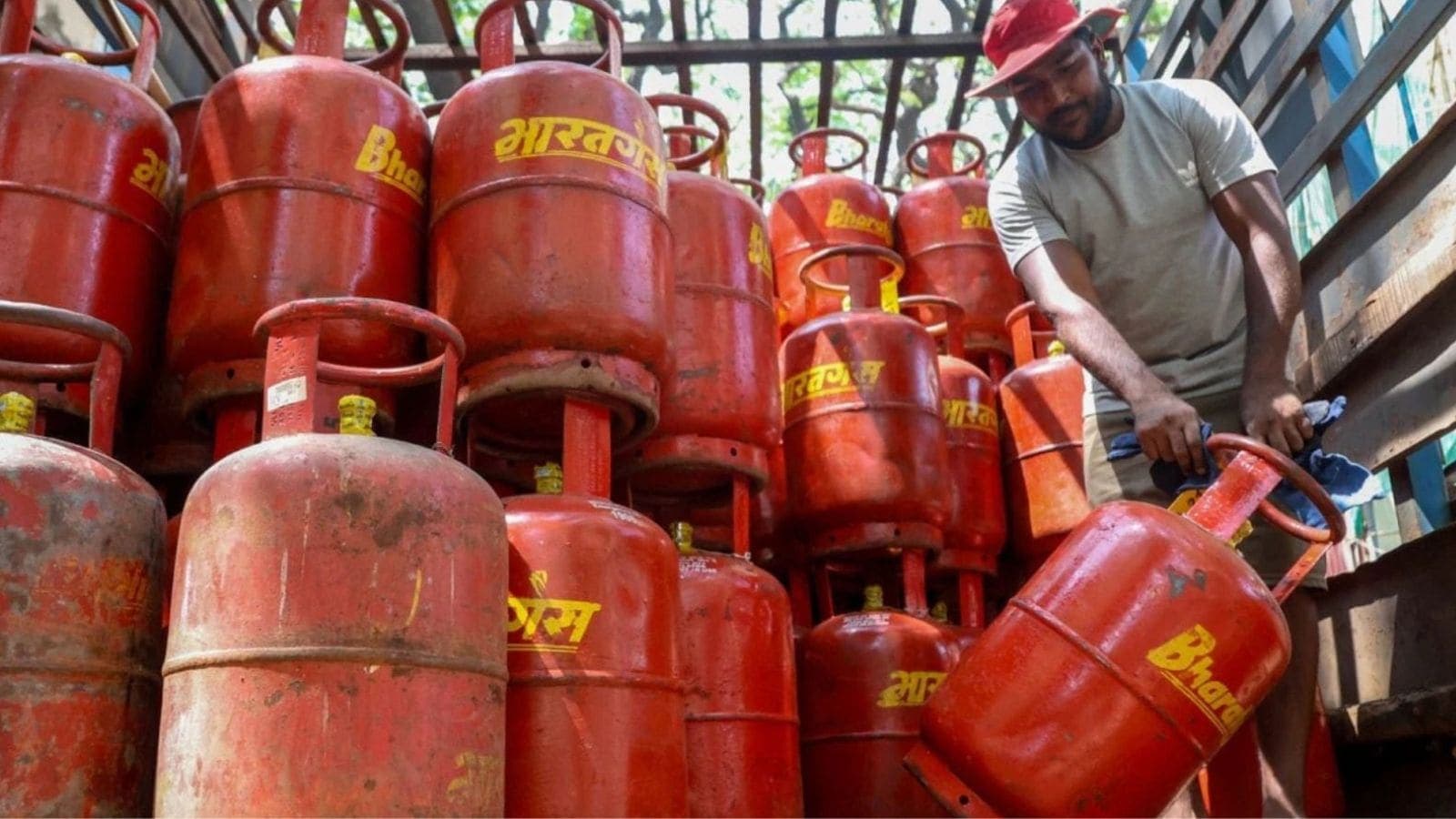
Commercial LPG prices have risen again, with increases of ₹42 in Delhi and ₹53.50 in Kolkata impacting businesses and consumers alike. Find out more.
Indian Express
Discover how a tragic coal mine explosion in Shanxi, China, reveals ongoing safety concerns in the industry amidst a push for green energy.
BBC Business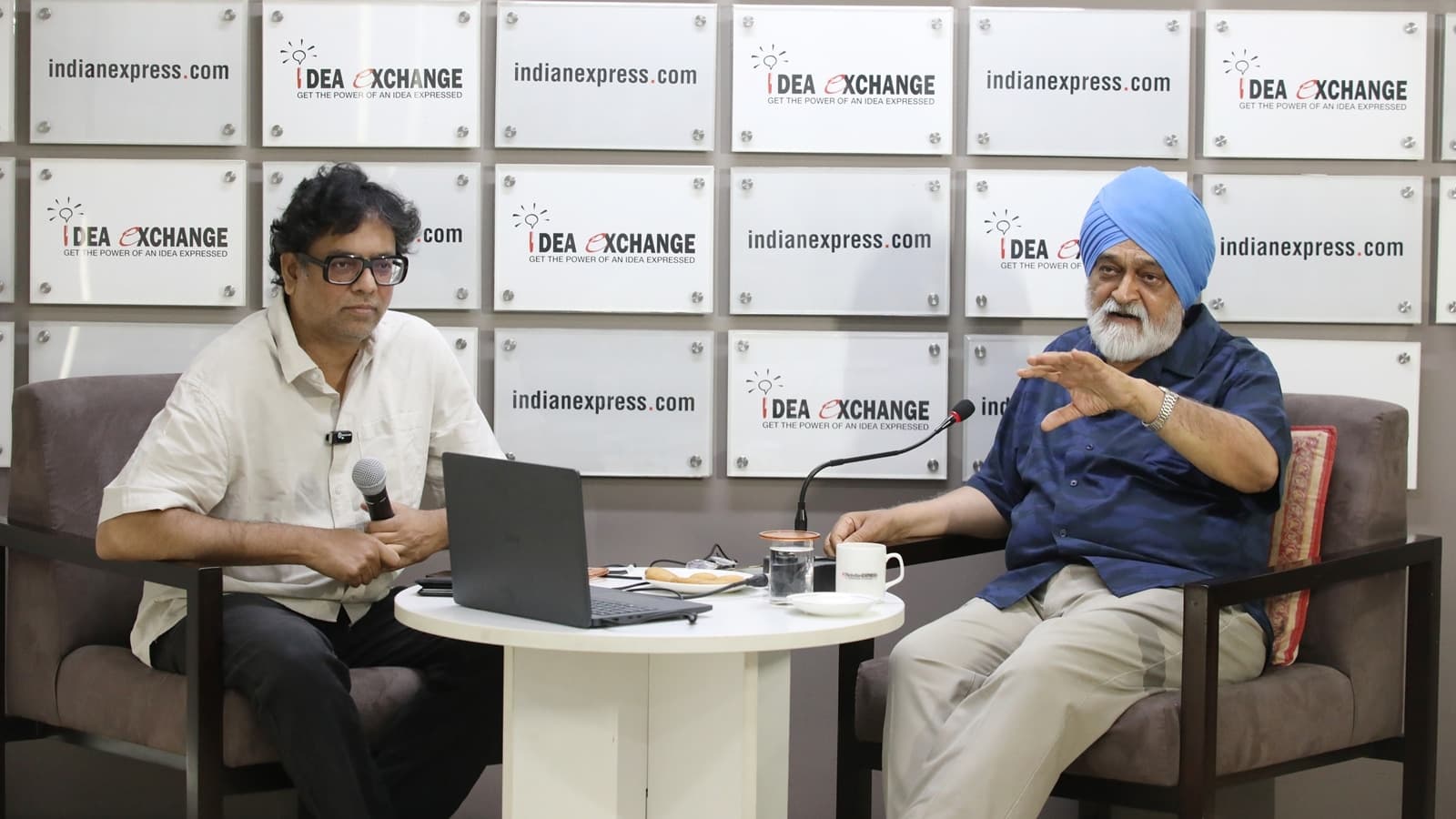
Montek Singh Ahluwalia highlights key economic challenges for India, emphasizing the need for a strategic approach to balance payments and investment.
Indian Express