

Image: Times of India
Iran's missile strikes on Gulf oil facilities threaten India's energy security and economic stability. Explore the potential impacts and future outlook.
GlipzoThe strikes have primarily focused on strategic oil hubs in Saudi Arabia and the United Arab Emirates, disrupting supply chains and causing volatility in oil prices. Given that India imports nearly 85% of its oil needs, this situation is especially concerning for its economy, which is already grappling with inflationary pressures.
For India, the stakes are particularly high. The country’s economic stability is intrinsically linked to energy prices, and any disruption can have a cascading effect on various sectors, from agriculture to manufacturing. Additionally, India's position as a developing economy makes it more vulnerable to fluctuations in global markets.
Such scenarios could lead to a re-evaluation of India's energy policies, pushing for a more diversified energy mix that includes renewable sources and increased domestic production.
In conclusion, the recent strikes by Iran on Gulf oil and LNG hubs have raised alarms not just for the immediate region but for countries like India that are highly dependent on imported energy. As the world watches these developments closely, the ripple effects on the global economy and India's growth trajectory will be significant. By staying informed and agile, India can navigate this complex landscape, but the journey will require careful planning and strategic foresight.
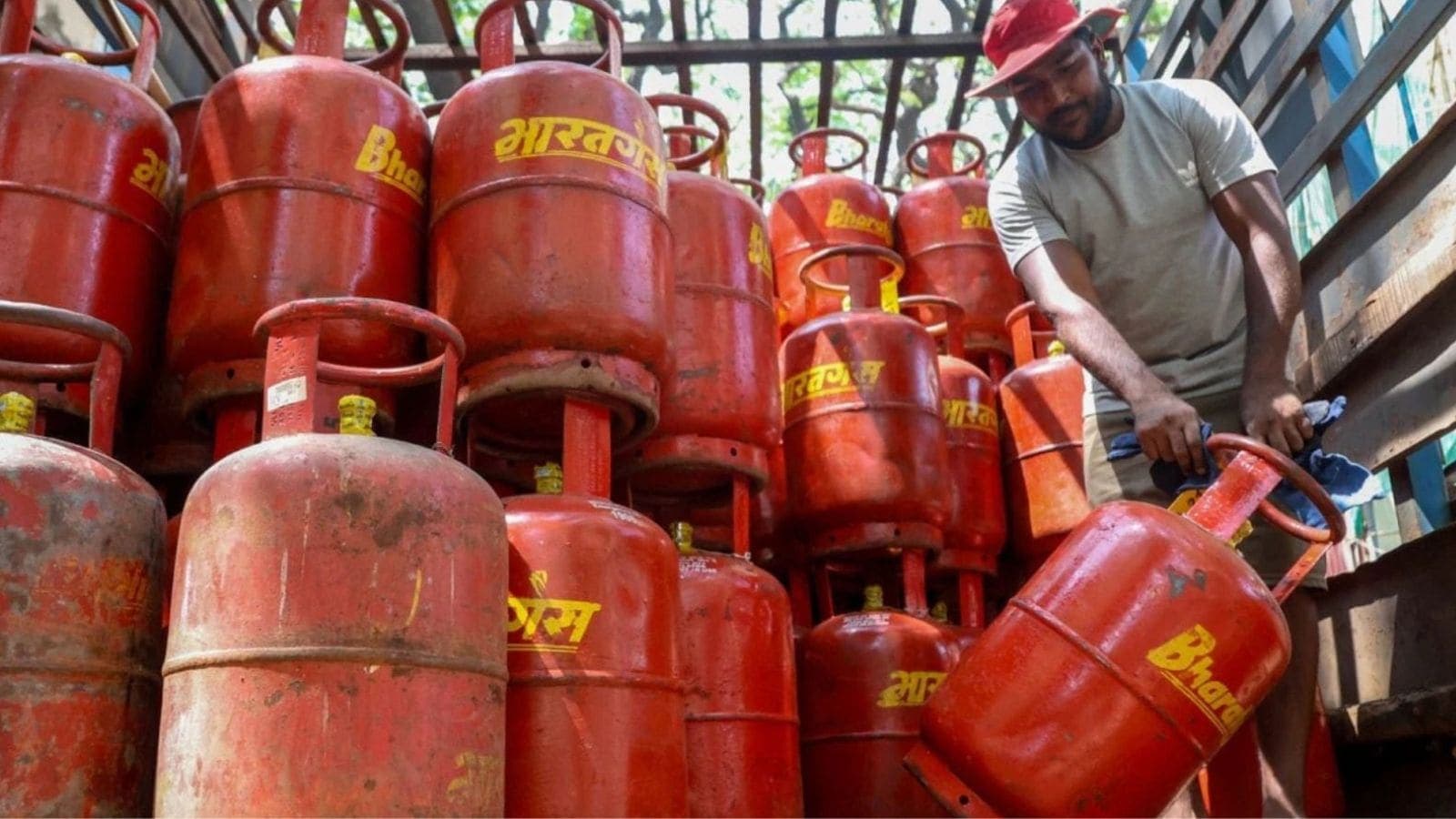
Commercial LPG prices have risen again, with increases of ₹42 in Delhi and ₹53.50 in Kolkata impacting businesses and consumers alike. Find out more.
Indian Express
Discover how a tragic coal mine explosion in Shanxi, China, reveals ongoing safety concerns in the industry amidst a push for green energy.
BBC Business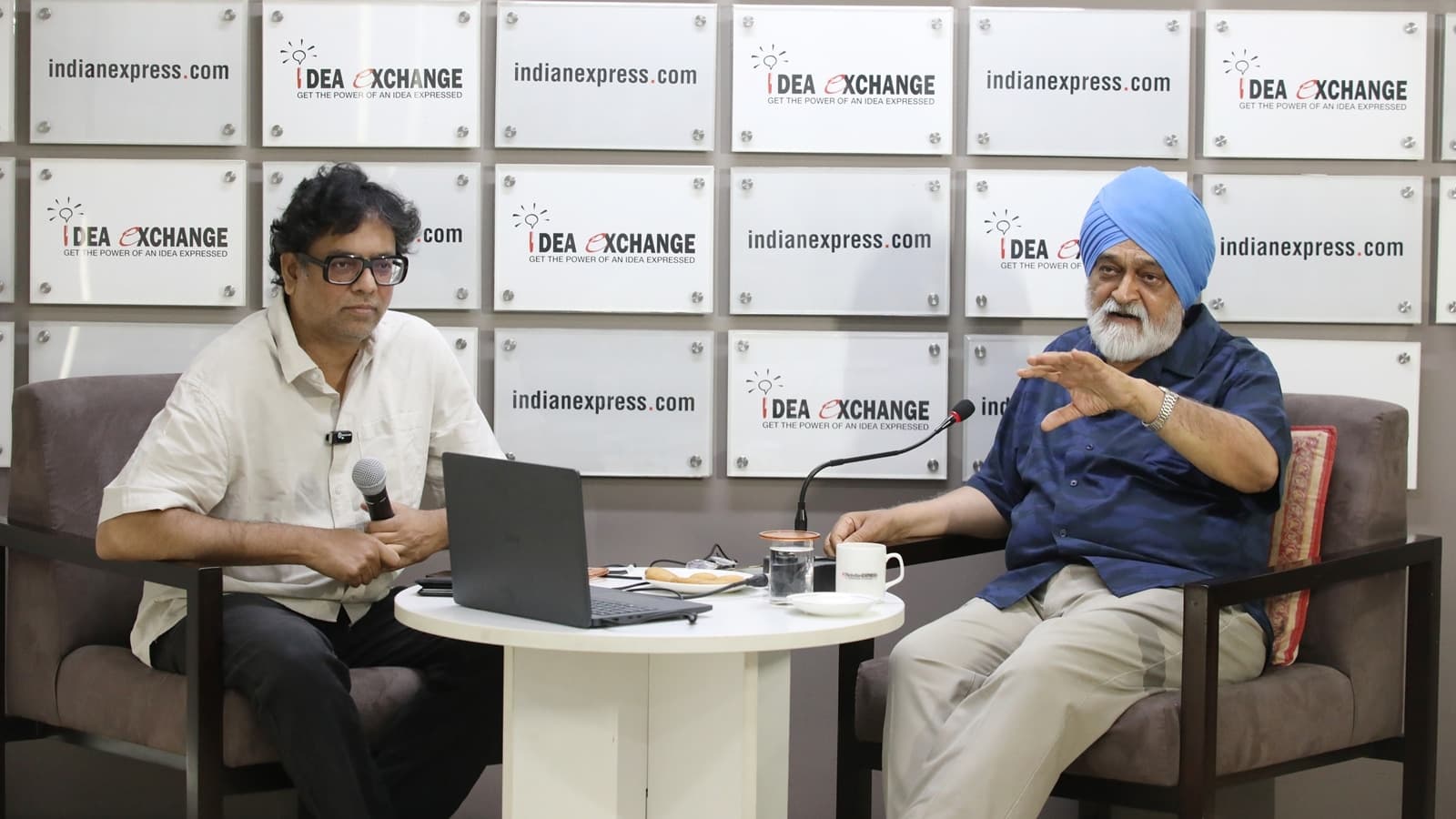
Montek Singh Ahluwalia highlights key economic challenges for India, emphasizing the need for a strategic approach to balance payments and investment.
Indian Express