
Image: BBC World
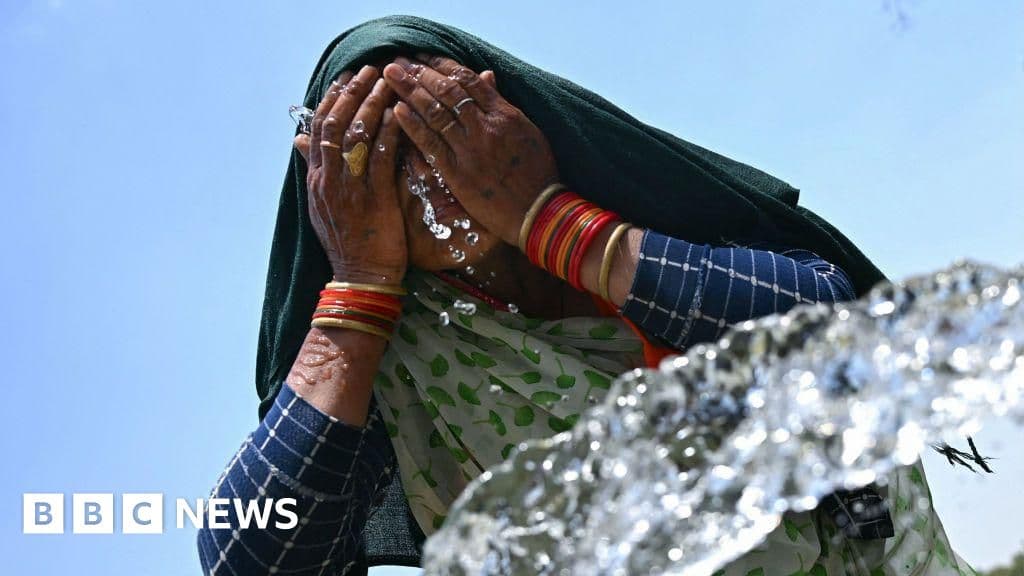
As Delhi faces extreme temperatures hitting 45°C, informal workers battle for survival, highlighting a critical climate crisis impacting lives and livelihoods.
GlipzoAs the sun blazes down on Delhi, temperatures are soaring to 45°C, creating a stark divide between the comfort of indoor spaces and the relentless heat faced by the city's poor. In bustling markets, two worlds coexist: air-conditioned showrooms offer a refuge for shoppers, while outside, street vendors, fruit sellers, and cycle-rickshaw drivers endure the oppressive heat in pursuit of their daily earnings.
For the majority of informal workers in India—who make up nearly 90% of the workforce—escaping the heat is not a luxury they can afford. These individuals rely on outdoor labor to feed their families, facing the wrath of the sun daily, even as temperatures climb above 40°C.
Among these workers is Harish Chandra, a 52-year-old cycle-rickshaw driver who pedals through the crowded streets of Delhi. "The body gives up," he states, emphasizing the toll the heat takes on his physical well-being. Chandra describes his daily routine, starting around 9 AM, when conditions are still bearable, but quickly deteriorating as the sun rises higher in the sky.
Chandra's struggles are not uncommon. He reflects on the increasing difficulty of coping with the heat, stating, "If we stop, we don’t earn; if we don’t earn, the family doesn’t eat." Recently, he made the tough decision to send his wife and three children back to their village in Bihar, where, despite similar temperatures, conditions are more tolerable due to open spaces and ventilation.
For workers like Chandra, summer is no longer just a season—it has transformed into an annual battle for survival. The typical heat season in India lasts from April to early July, but climate scientists warn that rising global temperatures are extending and intensifying this period. Dr. Soumya Swaminathan, former chief scientist at the World Health Organization, recently pointed out that the temperatures recorded in India are nearing the limits of "human tolerability," posing severe threats to lives and livelihoods.
Since mid-May, Delhi has consistently experienced temperatures exceeding 40°C, with some days reaching 45°C. While some respite may come over the weekend, these extreme heatwaves are now a regular feature of Indian summers. Urban heat island effects—characterized by concrete, heavy traffic, and limited green spaces—exacerbate the situation, making cities like Delhi particularly vulnerable to heat.
In response to the escalating heat crisis, the Delhi government and weather offices have been issuing frequent heat warnings. Recently, Prime Minister Narendra Modi took to X to urge citizens to stay hydrated, carry water, and be vigilant for signs of heat exhaustion among vulnerable populations, including children and outdoor workers.
Delhi has also implemented heat action plans, which include: - Color-coded heat alerts - Public advisories to avoid outdoor activities during peak hours - Water kiosks and cooling centers for relief
Despite these efforts, many workers find it challenging to adhere to the guidelines. The need for survival often outweighs the advice, as rent must be paid and food must be purchased.
Mohammad Umar, a 50-year-old tuk-tuk driver, illustrates the personal toll of working under such extreme conditions. Despite his resilience—rarely taking a day off—he was forced to stay home last week due to heat exhaustion. "My heart was racing, and my body had no strength left. I must have bathed five times that day just to stay conscious," he shares.
Umar explains that missing work can result in significant financial losses, estimating he could lose between 500-700 rupees (approximately $5-$7) in a single day. As he puts it, "We still have to pay for food and daily needs. That money comes out of our small savings."
The plight of workers like Harish Chandra and Mohammad Umar highlights a critical issue: the intersection of climate change and socio-economic vulnerability. As extreme weather events become more frequent, the burden disproportionately falls on those with the least capacity to adapt. The harsh summer heat not only poses immediate health risks but also threatens the economic stability of millions who depend on outdoor work.
As climate change continues to exacerbate weather extremes, it's imperative that governments implement effective strategies to protect vulnerable populations. Future measures may include: - Enhanced cooling infrastructure - Financial support for affected workers - Long-term urban planning to mitigate heat impacts
The ongoing heat crisis in Delhi serves as a stark reminder of the urgent need for comprehensive climate adaptation strategies. Authorities must prioritize the health and safety of informal workers who bear the brunt of rising temperatures. As the summer progresses, increased awareness and action are essential to support those struggling for survival amid the heat.
In the coming weeks, it will be crucial to monitor how local and national governments respond to this escalating crisis. The focus should remain on providing immediate relief while also addressing the underlying vulnerabilities that leave millions at risk. The fight against extreme heat is not just a seasonal battle; it is a critical issue of social justice and human rights that demands our attention and action.
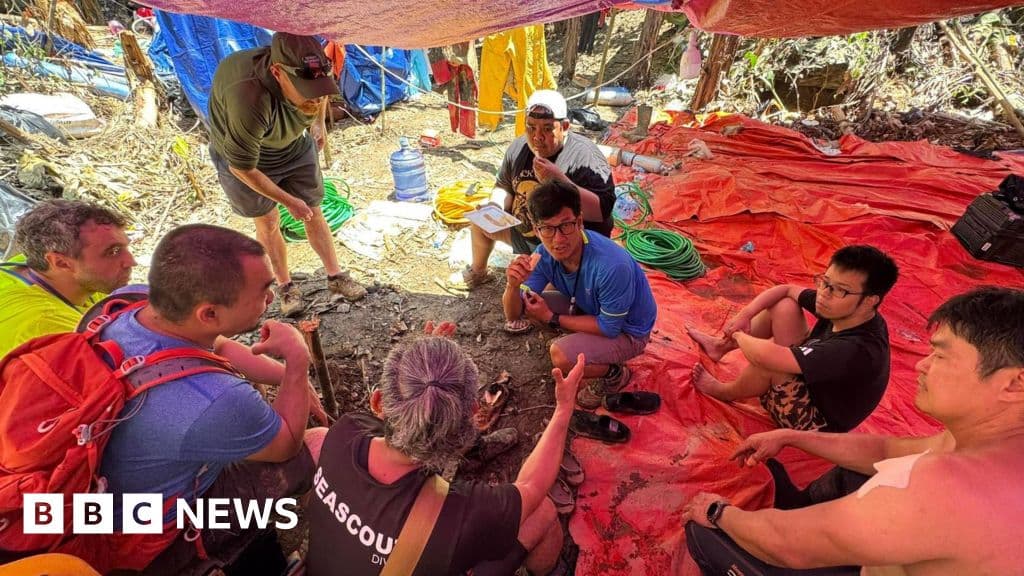
Survivors of the Laos cave rescue are aiding efforts to find the last two missing men trapped inside, sharing crucial insights for the search operation.
BBC World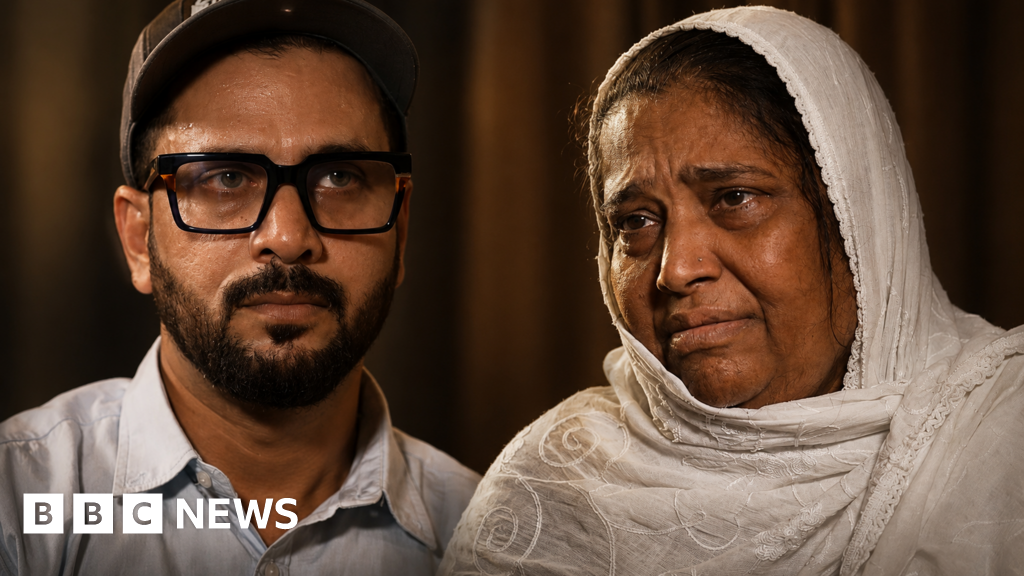
A year after the tragic Air India crash, the Ali family reflects on grief, unanswered questions, and the enduring bonds of love in the face of loss.
BBC Business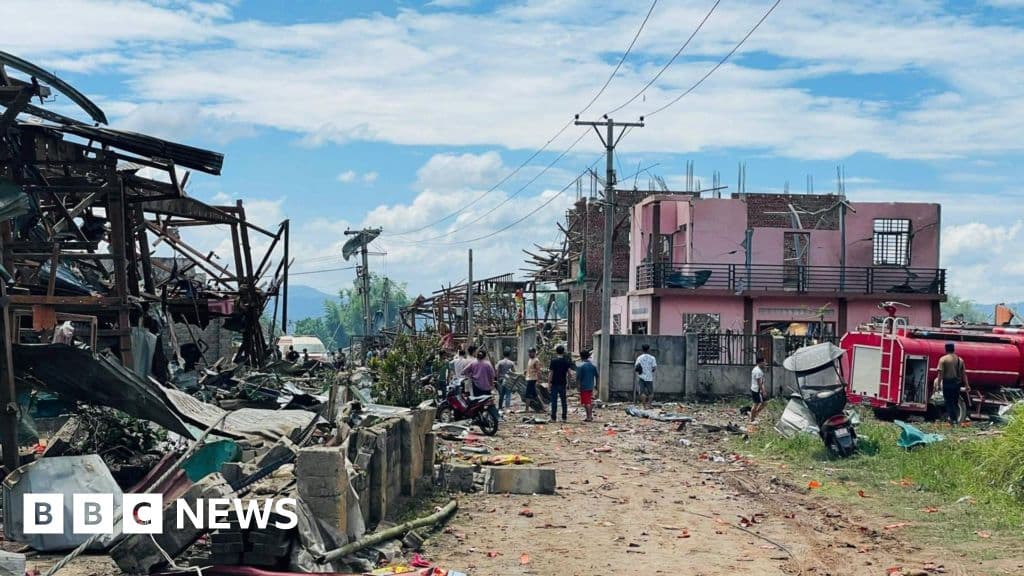
A devastating explosion in Myanmar's Kaung Tat village has killed at least 55 people, raising serious safety concerns and questions about civilian protection in conflict zones.
BBC World