
Image: BBC World
Discover the alarming rat and weasel infestations plaguing displaced Gazans. A public health crisis is brewing as families battle these new threats.
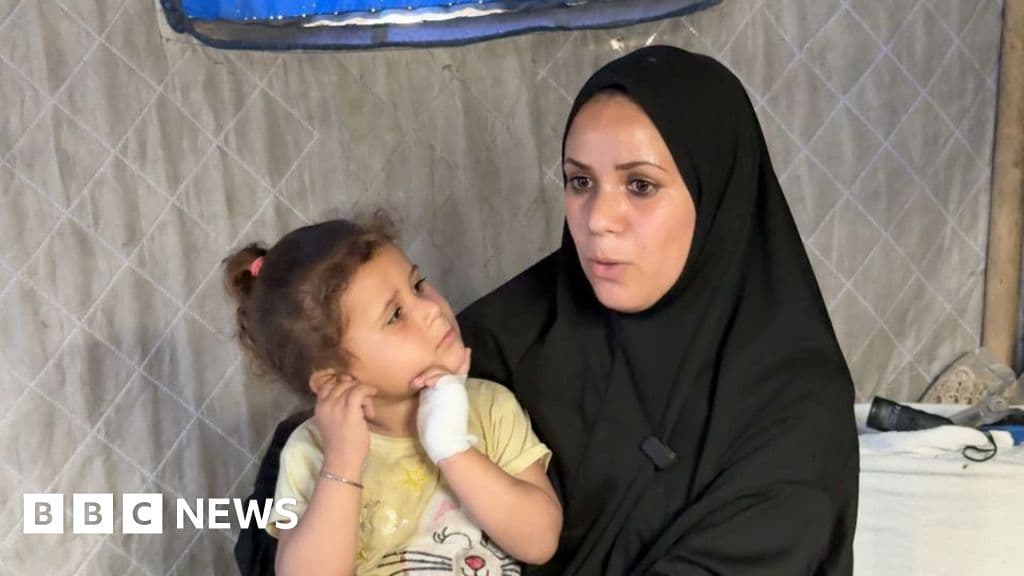
GlipzoIn the aftermath of conflict, the people of Gaza are not only grappling with the remnants of war but are now facing an alarming crisis stemming from an explosion of pests. Samah al-Daabla, a mother of four, recounted a terrifying incident involving her daughter Mayaseen, just four years old, who was bitten by a weasel in the middle of the night. "We woke up to the sound of her screaming at 2 a.m. When my husband turned on the torch, the weasel ran away. I looked at my daughter's hand, and it was all blood. Everything was bloody," she stated, highlighting the dire circumstances in which displaced families find themselves.
The Gaza Strip, already devastated by ongoing violence, now battles a new enemy: rats and urban weasels that threaten the health and safety of approximately 1.45 million displaced individuals. Aid workers are urgently calling for measures to address what they deem a looming public health crisis.
The presence of these rodents poses significant health risks. Rodents can transmit serious conditions through bites and scratches as well as via their urine, droppings, and fleas. These can lead to respiratory diseases, skin infections, and even food poisoning. Dr. Reinhilde Van De Weert, the local representative for the World Health Organization (WHO), emphasizes that this infestation is unfortunately a predictable outcome of the severe degradation of living conditions in the region.
Social media has been rife with videos showcasing rats and other vermin scurrying through camps where families have sought refuge. Disturbingly, reports have emerged of newborns, the elderly, and even those suffering from chronic illnesses being attacked by these pests. One grandmother, already dealing with nerve damage from diabetes, described how parts of her toes were bitten off by rats in the night.
Over six months have passed since a U.S.-brokered ceasefire was established, yet the anticipated improvements in humanitarian conditions have not materialized. Despite ongoing airstrikes and a lack of commitment from Hamas to disarm, the situation continues to deteriorate. Reconstruction efforts remain stalled, and the roughly 200,000 temporary caravans needed for displaced families are still unavailable.
The camps are overwhelmed, with raw sewage flowing through many areas and piles of garbage accumulating near tents, creating perfect habitats for rodents. The spring weather has only exacerbated the situation, allowing these animals to thrive. Parents like Rizq Abu Laila, who lives near a rubbish dump with his four children, one of whom is battling cancer, lament that they cannot sleep due to the threats posed by these creatures. "We cannot sleep! If we sleep, they bite the children and disturb us. There are so many weasels and rats – an abnormal number," he said, expressing the desperation felt by many in the camps.
UN agencies are stepping up efforts to tackle the crisis. They are working on improving pest control, drainage, and sanitation systems throughout Gaza. Ettie Higgins, the deputy representative for Unicef in Palestine, stressed the need for a significant campaign to manage waste and rubble across the region. "Pipes have been destroyed, and treatment facilities have been ruined, so we are trying to scale up our support to manage the wastewater and sewage," Higgins explained.
Humanitarian workers are calling for heavy machinery and spare parts to clear debris and improve sanitation. They also require access to Gaza's major landfill sites, which remain under Israeli military control, to facilitate waste management efforts.
Restoring damaged waste and sanitation facilities hinges on Israel allowing essential supplies to enter Gaza, a process currently hindered by security concerns. The Israeli government has cited potential risks associated with the entry of certain materials, complicating efforts to improve public health in the region.
As the humanitarian situation continues to evolve, it is clear that immediate intervention is necessary to address the rat and weasel infestation threatening the lives of vulnerable Gazans. The international community must take decisive action to alleviate the suffering of those impacted by both the conflict and the ensuing pest crisis. The health and safety of nearly 1.5 million people hang in the balance, and it is imperative that solutions are sought swiftly to restore some semblance of normalcy to their lives.
In the coming weeks, observers should watch for developments in international aid efforts, potential policy shifts from Israel regarding the entry of supplies, and the response of local authorities to the growing pest problem. The situation remains fluid, and the resolve of humanitarian agencies will be crucial in determining the future health of Gaza's displaced families.
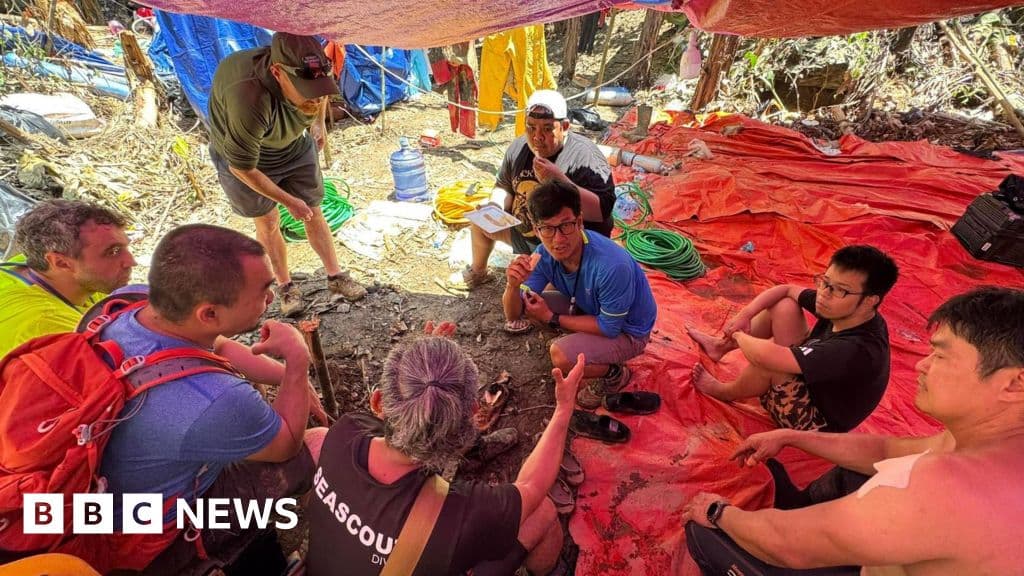
Survivors of the Laos cave rescue are aiding efforts to find the last two missing men trapped inside, sharing crucial insights for the search operation.
BBC World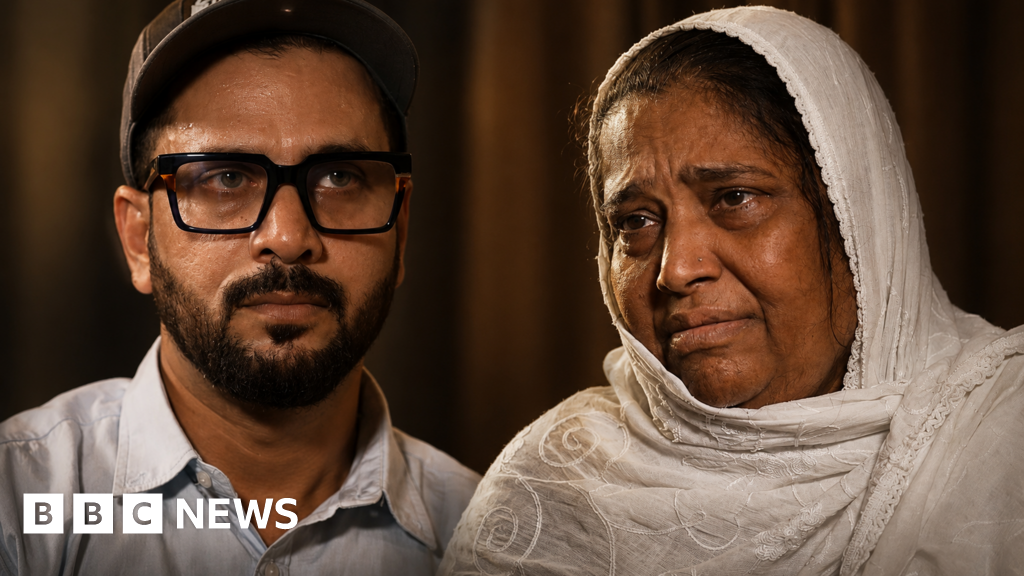
A year after the tragic Air India crash, the Ali family reflects on grief, unanswered questions, and the enduring bonds of love in the face of loss.
BBC Business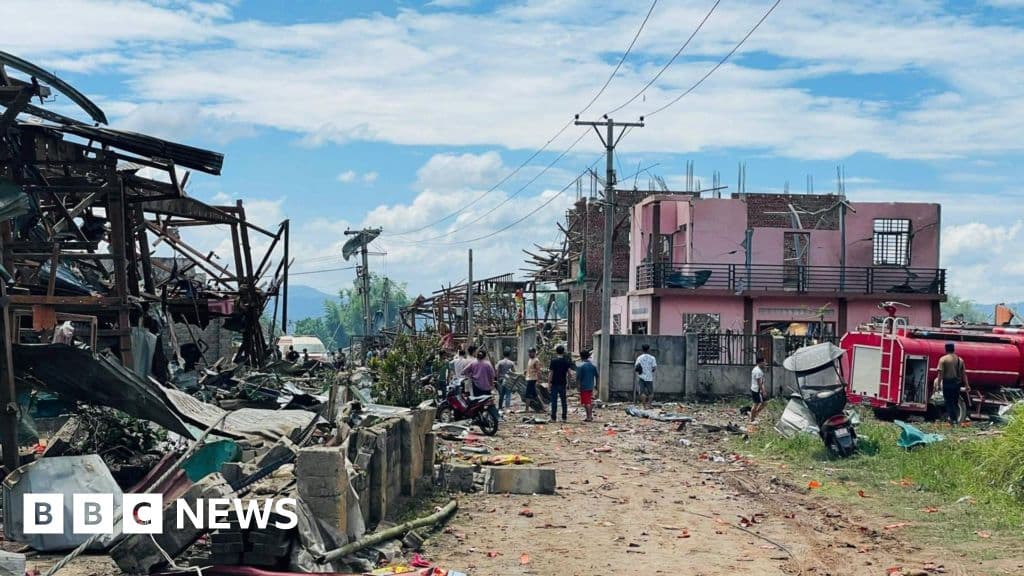
A devastating explosion in Myanmar's Kaung Tat village has killed at least 55 people, raising serious safety concerns and questions about civilian protection in conflict zones.
BBC World