
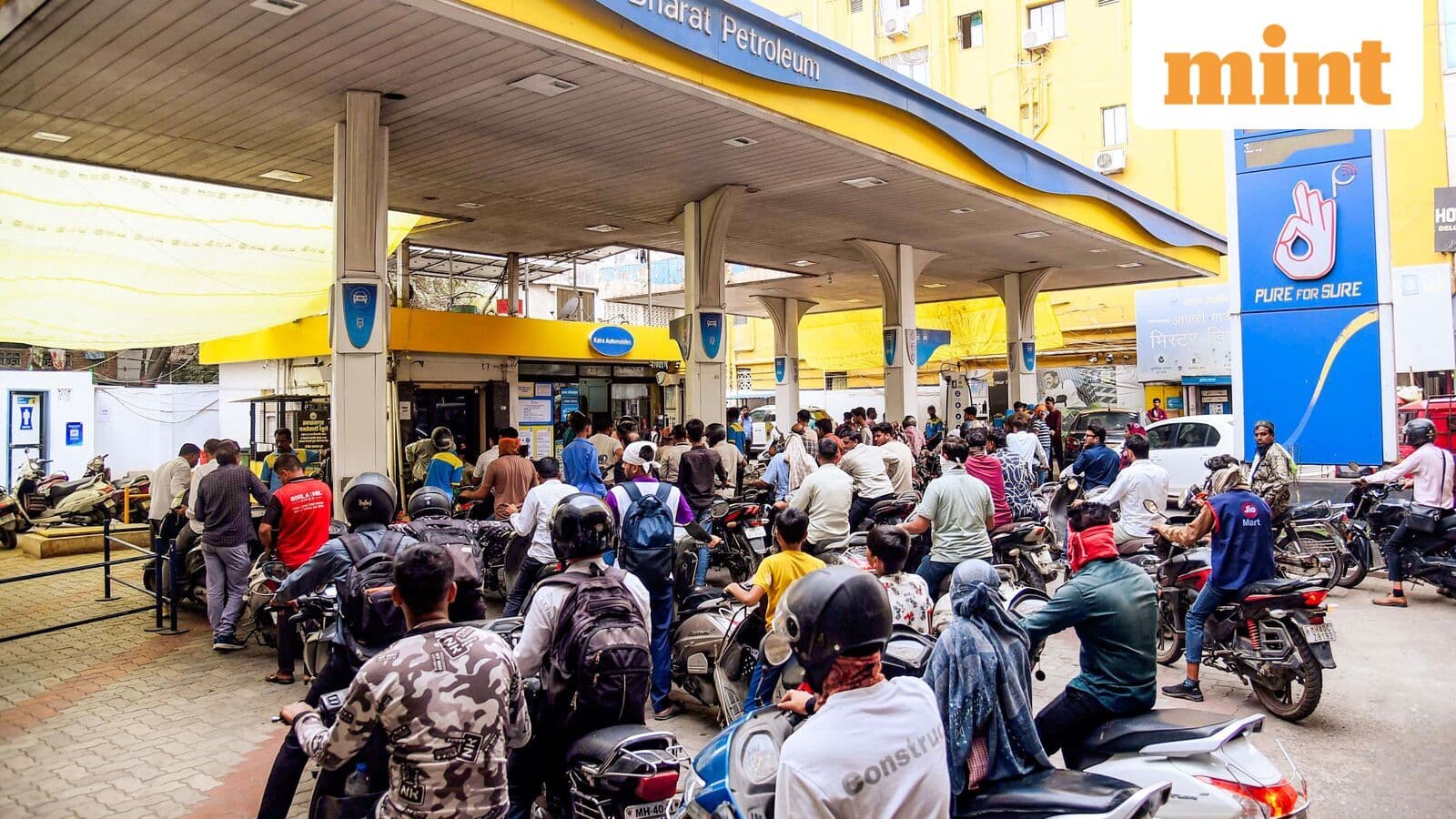
Image: Mint (Business)
Fuel prices in India remain static despite a major excise cut. Discover how recent changes affect consumers and the broader economy.
GlipzoIn a significant move to alleviate pressure on consumers, the Indian central government has announced a substantial reduction in fuel excise duties effective March 27. This decision comes in response to the ongoing volatility in the global oil market, particularly influenced by conflicts in the Middle East. The government has reduced the excise duty on petrol to ₹3 per litre from ₹13 and has completely waived the excise duty on diesel, which was previously set at ₹10 per litre.
Despite these cuts, the actual prices at petrol pumps remain unchanged. This is due to a strategic effort aimed at supporting Oil Marketing Companies (OMCs) that are grappling with significant under-recoveries. The turmoil in the Strait of Hormuz, a crucial oil shipping lane, has exacerbated market fluctuations, prompting the government to act.
Just a day prior to the government's announcement, Nayara Energy, one of India's leading private fuel merchants, enforced a price increase, raising petrol prices by ₹5 and diesel prices by ₹3 per litre. This adjustment was necessary to counteract the steep rise in international oil prices, which have surged due to geopolitical tensions and market instability.
Nayara Energy, which operates approximately 6,967 of the 102,075 filling stations across the country, has opted to pass some of these heightened procurement costs onto consumers. The increase in prices varies across different regions due to varying state levies like Value Added Tax (VAT). In some locations, consumers are facing petrol prices that soar as high as ₹5.30 per litre following Nayara's adjustments.
The price hike by Nayara Energy highlights a troubling trend in the domestic fuel sector, where state-controlled retailers dominate nearly 90% of the market. These retailers have opted to keep prices stable despite the rising costs of crude oil, which have persisted since April 2022. The state-run giants, including Indian Oil Corporation (IOC), Bharat Petroleum (BPCL), and Hindustan Petroleum (HPCL), have historically absorbed costs during periods of high crude prices, only to recover margins when rates drop.
Recently, these state-owned companies increased bulk diesel rates for industrial customers by approximately ₹22 per litre and raised the price of premium-grade petrol by ₹2, reflecting the pressures they face from the oil markets.
Further complicating the situation is the decline of the Indian rupee, which has depreciated by 3.5% since the onset of conflicts in West Asia on February 28. As of last Friday, the rupee was trading at 94.1575 against the US dollar, marking a significant low fueled by rising US Treasury yields and sustained Brent crude oil prices surpassing the $100 per barrel mark. This currency depreciation exacerbates the costs associated with importing oil, further affecting fuel prices domestically.
The recent changes in fuel pricing are critical not just for consumers but also for the broader Indian economy. Fuel prices directly impact inflation, transportation costs, and the cost of goods and services, making this an issue of national importance. The excise duty cuts may provide temporary relief, but with global oil prices remaining volatile, long-term stability is uncertain.
Key Factors to Watch: - The response of state-run oil companies to the global oil price fluctuations. - The potential for further government interventions in the fuel sector. - The ongoing geopolitical developments in the Middle East and their implications for global oil supplies.
As consumers grapple with fluctuating fuel prices, the government and industry stakeholders must strategize to navigate these challenging conditions. Keeping an eye on these developments will be crucial for predicting future trends in fuel pricing and economic stability in India.
As we move forward, the landscape of fuel pricing in India remains precarious. With consumer sentiment already feeling the pinch from rising prices, the government's recent excise cuts may serve as a temporary respite. However, the interplay between domestic policies and global oil dynamics will ultimately dictate the direction of fuel costs in the coming months. Stakeholders must remain vigilant as this situation unfolds, with the potential for additional government measures if market conditions deteriorate further.
Stay informed about the latest trends in fuel pricing, economic developments, and global events that may impact these critical sectors.
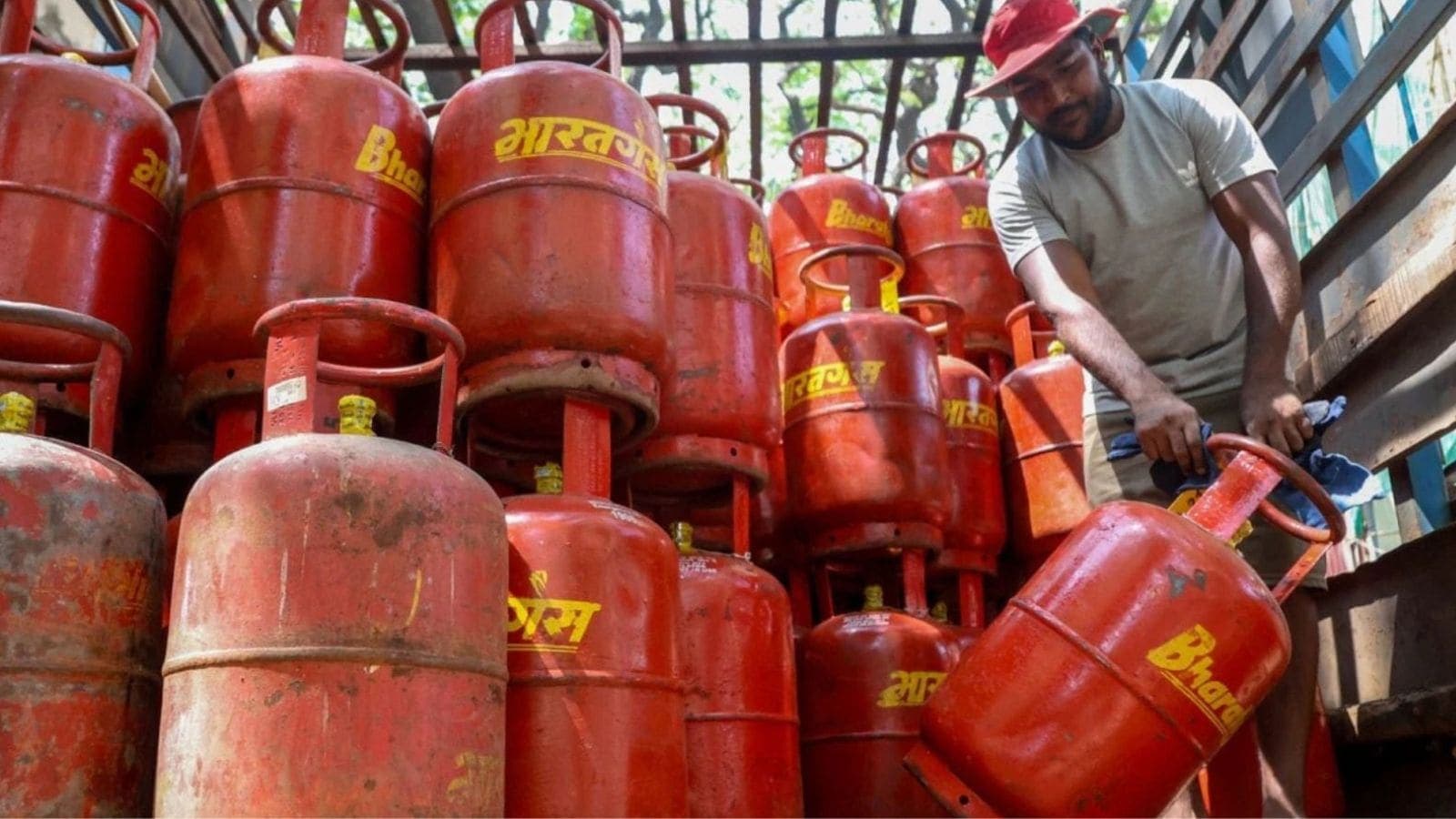
Commercial LPG prices have risen again, with increases of ₹42 in Delhi and ₹53.50 in Kolkata impacting businesses and consumers alike. Find out more.
Indian Express
Discover how a tragic coal mine explosion in Shanxi, China, reveals ongoing safety concerns in the industry amidst a push for green energy.
BBC Business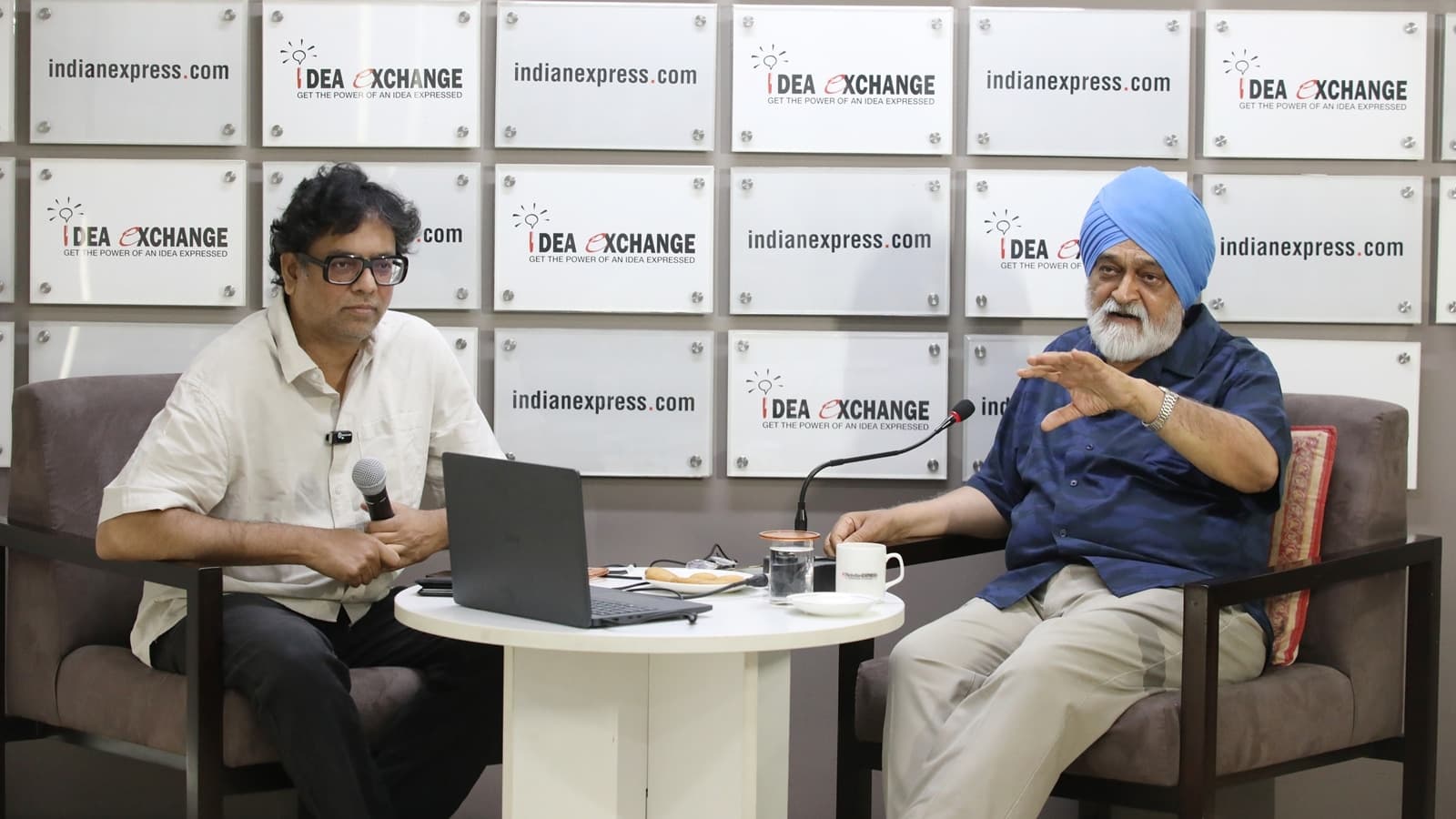
Montek Singh Ahluwalia highlights key economic challenges for India, emphasizing the need for a strategic approach to balance payments and investment.
Indian Express