
Image: Indian Express
Discover the latest fuel price hikes in India, with petrol up 87 paise and diesel by 91 paise, amid ongoing global energy challenges. Learn more!
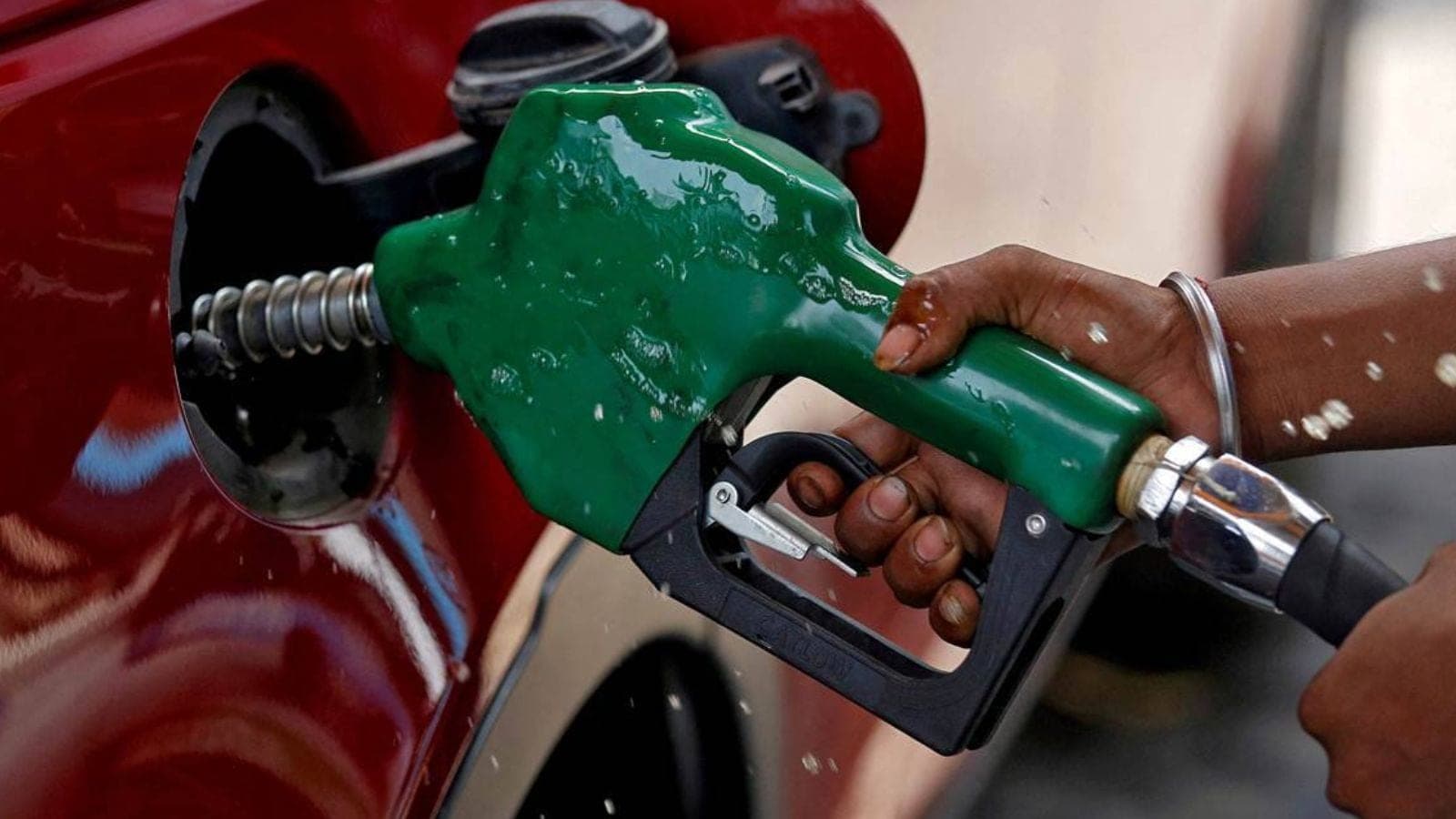
GlipzoIn a significant move, public sector oil marketing companies (OMCs) raised retail prices for petrol and diesel on Saturday, marking the third increase in just eight days. This adjustment, prompted by soaring international oil prices, highlights the ongoing challenges faced by OMCs amidst a global energy crisis. Specifically, petrol prices increased by 87 paise per litre, while diesel prices escalated by 91 paise per litre in Delhi, with similar hikes reflected nationwide.
This latest price adjustment means that since May 15, when the first fuel price increase in over four years occurred, petrol prices have climbed by Rs 4.77 per litre and diesel by Rs 4.81. As of Saturday morning, the cost of petrol in Delhi now stands at Rs 99.51 per litre, and diesel is priced at Rs 92.49. It is noteworthy that fuel prices vary across the country due to differing state taxes, adding another layer of complexity to this issue.
The latest increase follows a 90-paise-per-litre hike on Tuesday and a Rs 3-per-litre increase on May 15. These adjustments have provided a measure of relief for OMCs, reducing their combined daily losses from the sale of petrol and diesel by approximately Rs 250 crore, bringing it down to Rs 750 crore daily, according to the Petroleum Ministry. However, despite these changes, OMCs continue to face significant financial strain as they sell fuel at a loss.
Industry analysts indicate that the recent price hikes will only partially alleviate the financial burden on major players like Indian Oil, Bharat Petroleum, and Hindustan Petroleum. The gap between retail prices and market prices remains substantial, indicating that more staggered price increases are likely in the future.
The surge in global crude oil prices—up by over 50% due to geopolitical tensions, particularly the conflict in West Asia and the closure of the Strait of Hormuz—has exacerbated the situation. Despite these rising costs, the government-owned OMCs had refrained from passing on the increases to consumers until very recently. Notably, retail fuel prices had remained unchanged for four years until the recent adjustments, which coincided with the lead-up to the 2024 Lok Sabha elections.
In light of these challenges, government discussions surrounding the need for fuel price hikes have intensified. A consensus has emerged that an increase is essential, with considerations revolving around how much to raise prices and the timing of these hikes. Ultimately, a staggered approach was adopted to mitigate potential backlash from consumers and the political ramifications of a sudden price shock.
“The Rs 3 hike, along with a slight decline in crude prices, is estimated to reduce the remaining under-recoveries to Rs 10 and Rs 13 per litre, providing OMCs with some operational relief,” noted Sehul Bhatt, director at Crisil Intelligence. However, he emphasized that the overall financial strain is not yet resolved, and this price increase is more about managing balance sheet pressures than restoring profit margins. It serves as a policy recognition that the costs absorbed by OMCs must eventually be reflected in retail prices.
The timing of these price hikes has been politically charged. With assembly elections recently concluded in various states, the government faced criticism over previous inaction on rising fuel prices. As one government official pointed out earlier in May, a price increase was “inevitable” and merely a question of timing. Although retail prices for petrol and diesel are technically deregulated, government-owned OMCs maintain a significant share of the market, which complicates pricing strategies.
As consumers adjust to these ongoing price increases, the broader economic implications are significant. The continued rise in fuel prices can lead to inflationary pressures across various sectors, impacting transportation costs and ultimately consumer goods prices. The government’s strategy of implementing staggered increases seems aimed at controlling public reaction while managing economic stability.
Looking ahead, the OMCs are expected to continue evaluating market conditions closely. Analysts are predicting that further adjustments may be necessary as international oil prices remain volatile. Consumers should brace themselves for potentially more frequent updates to fuel prices as OMCs seek to balance their operational costs with the realities of the global market.
In summary, the recent hikes signify a critical junction for fuel pricing in India, reflecting not only the complexities of international oil markets but also the delicate balance of political and economic factors within the country. As the situation evolves, stakeholders will be closely watching for additional announcements from OMCs that could influence the cost of living for millions of Indians.
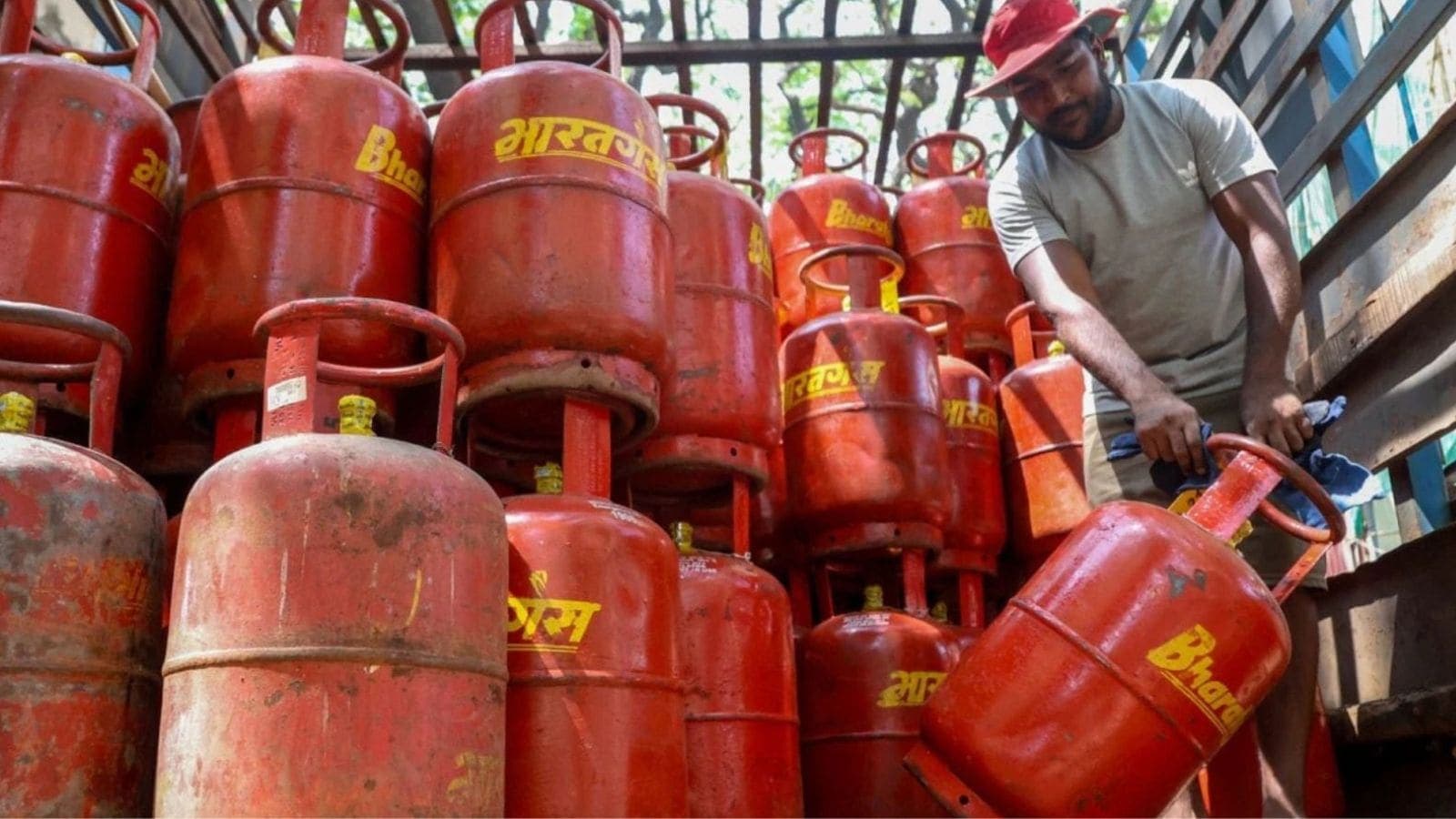
Commercial LPG prices have risen again, with increases of ₹42 in Delhi and ₹53.50 in Kolkata impacting businesses and consumers alike. Find out more.
Indian Express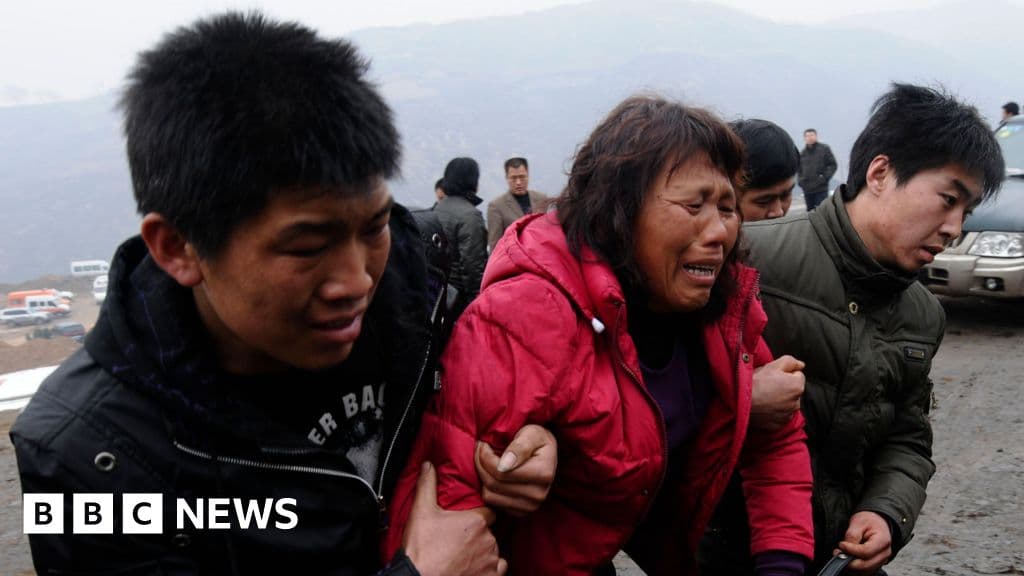
Discover how a tragic coal mine explosion in Shanxi, China, reveals ongoing safety concerns in the industry amidst a push for green energy.
BBC Business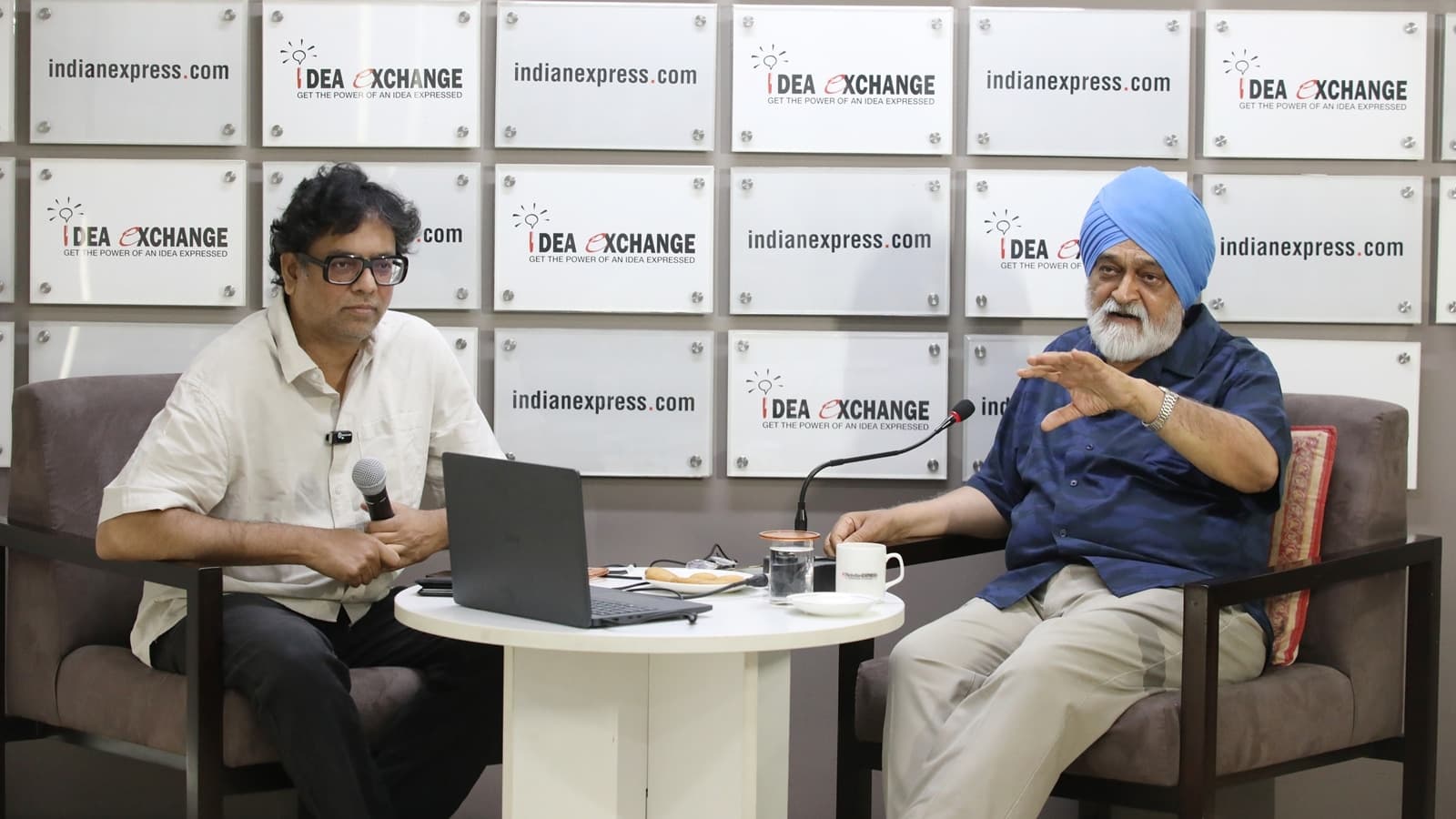
Montek Singh Ahluwalia highlights key economic challenges for India, emphasizing the need for a strategic approach to balance payments and investment.
Indian Express