

Image: BBC Business
The fertilizer supply crisis due to the Iran conflict threatens 10 billion meals weekly, risking global food security, especially in vulnerable nations.
GlipzoThe ongoing conflict in Iran is causing significant disruptions to the supply of fertilizer and its essential components, putting an alarming 10 billion meals at risk each week. Svein Tore Holsether, CEO of Yara, one of the world's leading fertilizer producers, recently shared these concerns during an interview with the BBC. The Strait of Hormuz, a vital shipping route, has been obstructed due to hostilities, threatening food production across the globe.
Holsether emphasized the severe implications of reduced fertilizer availability, stating that a lack of nitrogen fertilizer could drastically lower crop yields. This situation poses a serious challenge, particularly for the world's most vulnerable populations. He urged European nations to consider the broader impact of a potential food price war, warning that it could disproportionately affect those in developing countries.
Yara's CEO revealed shocking statistics about the current fertilizer production crisis: "We're up to half a million tons of nitrogen fertilizer not being produced in the world right now because of the situation we are in." The implications of this shortage are profound; Holsether predicts that the global food production could see a reduction of up to 10 billion meals weekly due to the decreased application of fertilizers.
Without adequate nitrogen fertilizer, crop yields could drop by as much as 50% in the first growing season. This drastic reduction in agricultural output could lead to food shortages and increased competition for available resources, creating a bidding war for food between wealthier and poorer nations.
Farmers worldwide are grappling with a myriad of challenges exacerbated by the current fertilizer crisis. Holsether pointed out that while production costs are skyrocketing, including higher prices for energy and diesel fuel, the prices farmers receive for their crops have not yet adjusted accordingly. This disconnect is creating a precarious situation for food producers.
"They're faced with higher energy costs, diesel for a tractor is increasing, other inputs for the farmers are increasing, fertilizer cost is increasing, but yet the crop prices haven't increased to the same extent yet," Holsether explained. This economic imbalance threatens the viability of farming operations, especially as food inflation rises.
Since the onset of the conflict involving the US and Israel against Iran, fertilizer prices have surged by an astonishing 80%. Holsether warned that if the conflict continues, a bidding war for food is inevitable, particularly as wealthier nations may outbid poorer countries for essential supplies.
He urged European countries to be conscious of the consequences of their purchasing decisions during such bidding wars. "In that situation, who are we buying the food away from?" he asked, highlighting the potential for increased hunger and food scarcity in developing nations unable to compete in the market.
The ramifications of the fertilizer shortage extend beyond mere statistics; it raises critical concerns about food affordability, scarcity, and hunger. Holsether believes that the situation could have devastating effects on regions already struggling with food insecurity. As these countries face rising food prices, the most vulnerable populations will bear the brunt of the crisis.
While the UK is unlikely to face immediate food shortages, the rising costs facing food producers are expected to translate into higher prices for consumers. The Food and Drink Federation has projected that food inflation could reach 10% by year-end, indicating that consumers may soon feel the financial pinch.
As the situation develops, several key factors will play a crucial role in determining the future of global food security: - Continued conflict in Iran: The duration and intensity of the conflict will directly impact fertilizer production and availability. - Government responses: How European nations respond to rising prices and food shortages will affect global food dynamics. - Market adjustments: Will farmers adjust crop prices to reflect increased input costs, or will they face continued economic pressure?
In conclusion, the fertilizer crisis triggered by the war in Iran is a complex issue with far-reaching consequences. As global food production hangs in the balance, the world must pay attention to the unfolding developments and their implications for food security, especially in vulnerable regions. The coming months will be critical in assessing how this crisis will reshape the agricultural landscape and affect millions of lives around the globe.

Survivors of the Laos cave rescue are aiding efforts to find the last two missing men trapped inside, sharing crucial insights for the search operation.
BBC World
A year after the tragic Air India crash, the Ali family reflects on grief, unanswered questions, and the enduring bonds of love in the face of loss.
BBC Business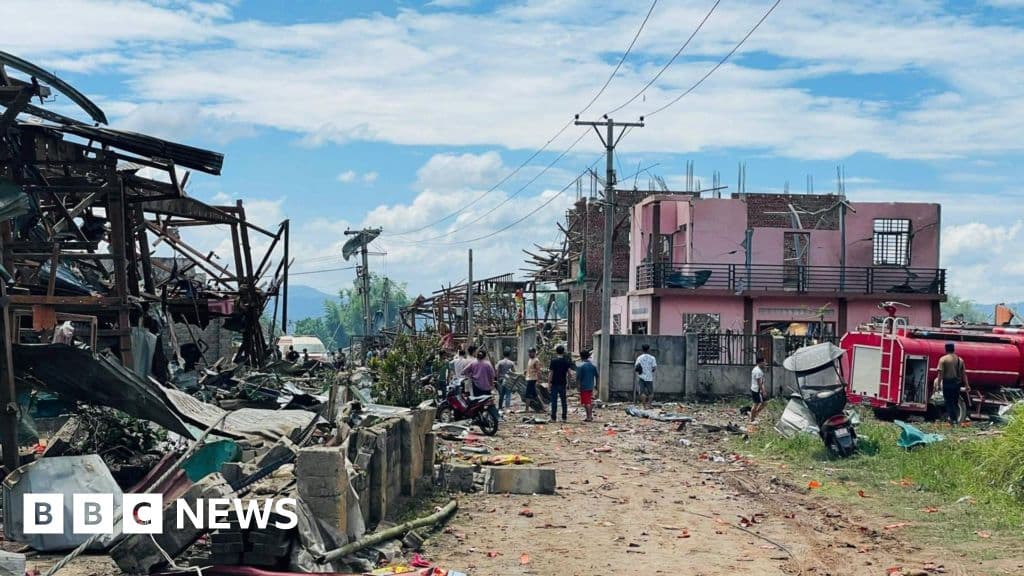
A devastating explosion in Myanmar's Kaung Tat village has killed at least 55 people, raising serious safety concerns and questions about civilian protection in conflict zones.
BBC World