
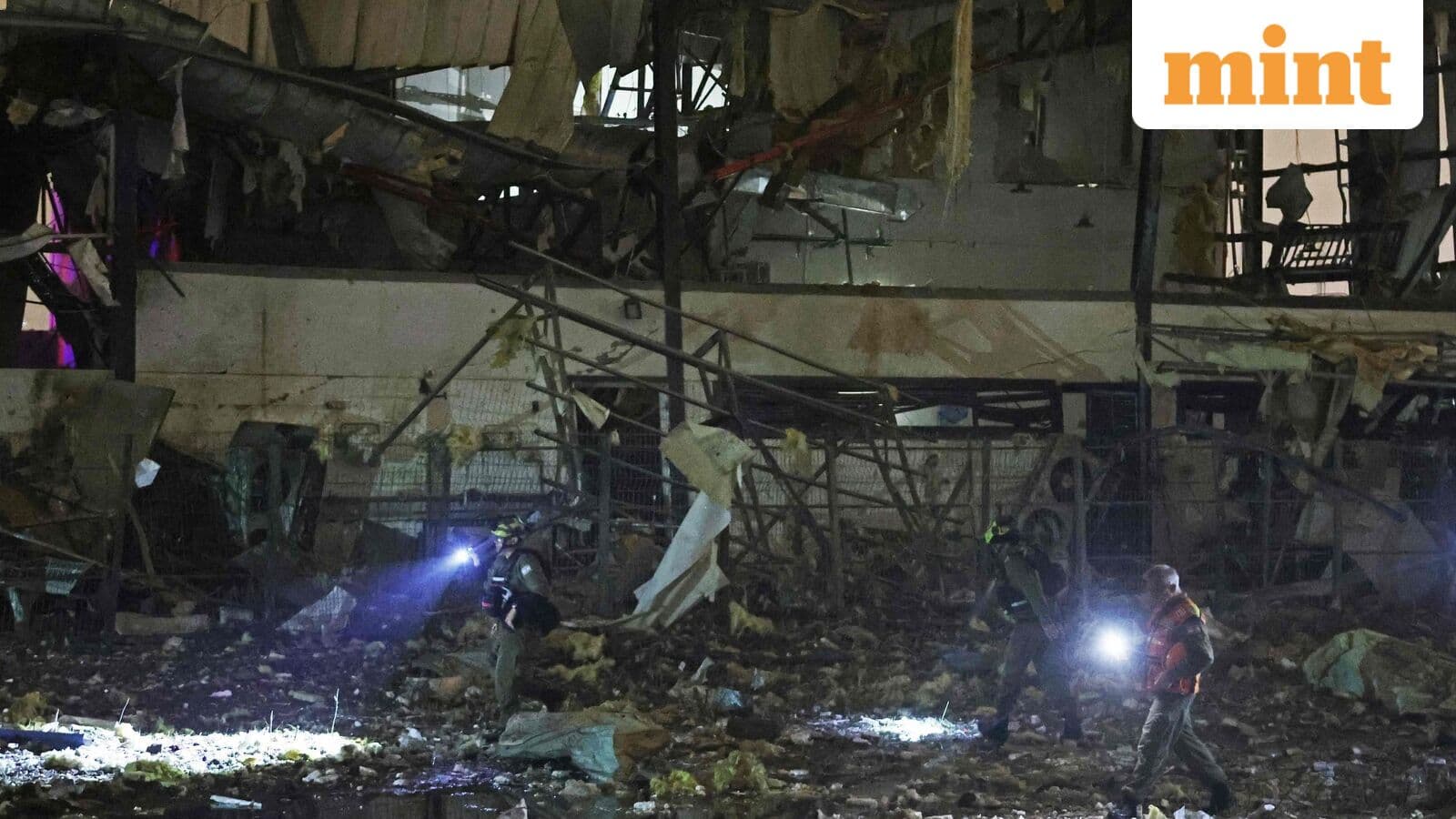
Image: Mint (Business)
Iran launched missiles at Israel and Gulf nations, escalating tensions. Discover the implications and what comes next in this unfolding crisis.
GlipzoIn a dramatic escalation of hostilities, Iran fired missiles toward Israel and several Gulf nations on Friday, with explosions reported in Tehran and the central city of Isfahan. Fortunately, there have been no immediate reports of casualties, but the incident highlights the growing tensions in the region.
Israel’s military confirmed that its air defense systems were actively engaged, aiming to intercept the missiles launched from Iran. In an official statement, the military noted, "We have identified missiles launched from Iran toward the territory of the State of Israel." Additionally, Israeli military radio reported damage to a train station in Tel Aviv from shrapnel, although the source of the fire remains unclear.
This missile incident follows closely on the heels of US-Israeli airstrikes that targeted the B1 bridge in Karaj, Iran, resulting in the deaths of eight civilians and injuries to 95 others. These actions have exacerbated an already volatile situation, prompting US President Donald Trump to comment on Truth Social, stating that this critical infrastructure would “never be used again” and urged Iran to negotiate before it’s too late.
Trump’s remarks included a bold assertion about the US military's capabilities, emphasizing that they had only just begun to address the situation in Iran. He warned of further destruction, mentioning bridges and electric power plants, crediting the new regime leadership with understanding the urgency of the situation.
In response to the strikes, Iranian President Masoud Pezeshkian declared that Iran remains resolute in defending itself against what he termed American and Israeli aggressors. He made these comments during a phone call with Azerbaijani President Ilham Aliyev, asserting that Iran is using all its capacities for self-defense. This statement reflects Iran's commitment to indirect negotiations with the United States, even as military actions escalate.
Pezzeshkian’s comments come as the conflict, which began on February 28, enters its sixth week. Amid this turmoil, alerts were issued by Israel, Bahrain, and Kuwait regarding incoming missile threats, although it remains unclear if any of these missiles successfully struck their targets.
The ramifications of these attacks extend beyond military confrontations. Iran’s missile strikes have targeted energy infrastructure in the Gulf region, an area crucial to global oil supplies, particularly the Strait of Hormuz. This strategic waterway is responsible for the transit of one-fifth of the world’s oil and natural gas during peacetime. As a result, oil prices have surged amid fears of further conflict.
The situation is precarious: - Rising oil prices due to threats against Gulf energy infrastructure. - Regional instability affecting global markets. - Increased military readiness among neighboring countries.
The recent escalations signal a critical moment in Middle Eastern geopolitics. The potential for a broader conflict looms large, with both Iran and Israel showing little signs of backing down, complicating diplomatic efforts. The military exchanges and aggressive posturing can destabilize the region, affecting not only local economies but global energy supply chains as well.
As the situation unfolds, several key factors deserve attention: - Military Movements: Watch for any changes in military deployments or readiness from both Iran and Israel. - Diplomatic Efforts: Will the US or other nations step in to mediate, or will tensions escalate further? - Market Reactions: Keep an eye on oil prices and global stock markets, which can be heavily influenced by these developments. - Public Sentiment in Iran and Israel: How citizens in both nations respond to government actions may impact future decisions.
In conclusion, the missile launch from Iran marks a pivotal moment in an ongoing conflict that is poised to affect international relations and economic stability. The global community must stay alert as events continue to evolve, emphasizing the importance of diplomatic solutions to prevent further escalation.
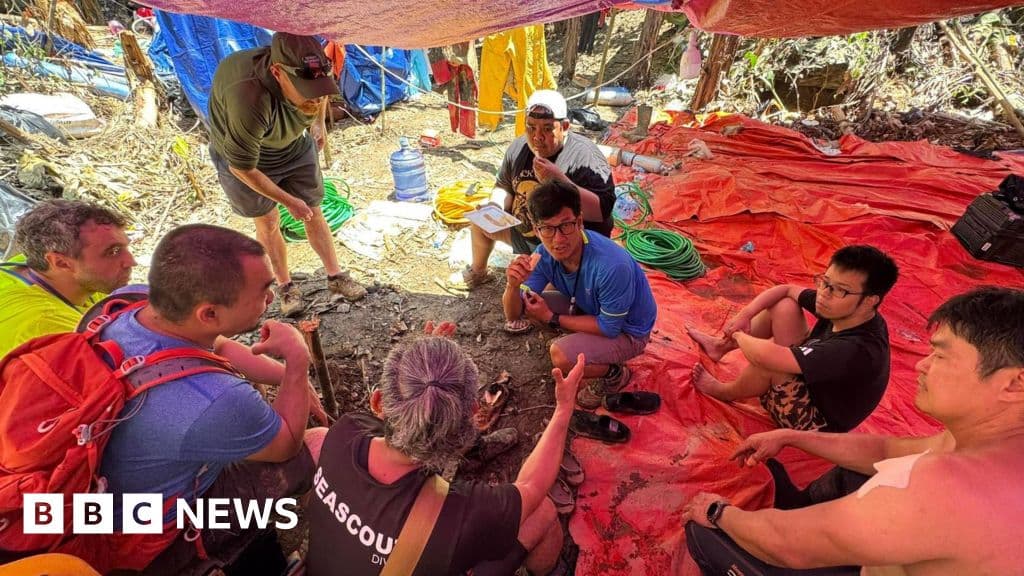
Survivors of the Laos cave rescue are aiding efforts to find the last two missing men trapped inside, sharing crucial insights for the search operation.
BBC World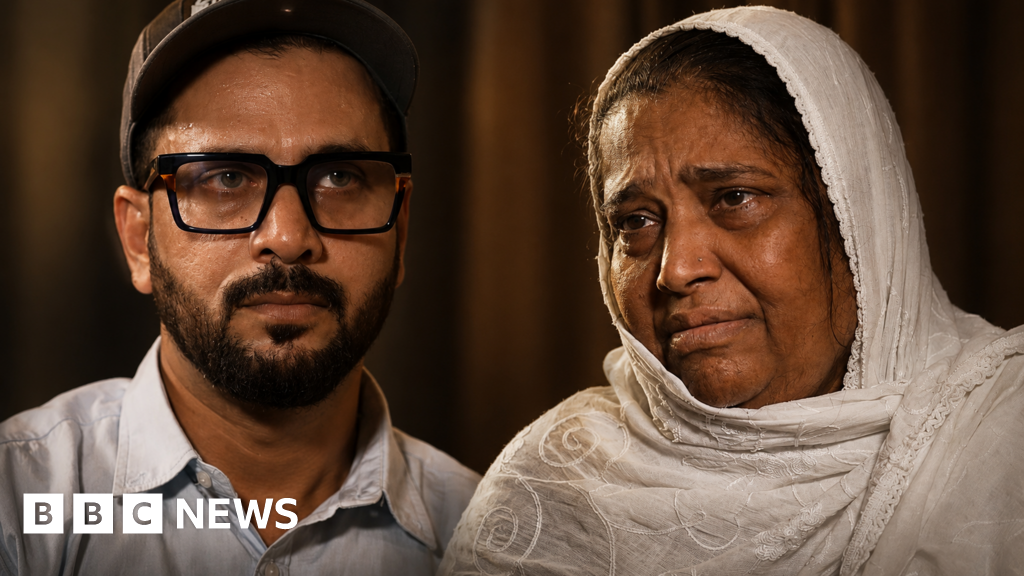
A year after the tragic Air India crash, the Ali family reflects on grief, unanswered questions, and the enduring bonds of love in the face of loss.
BBC Business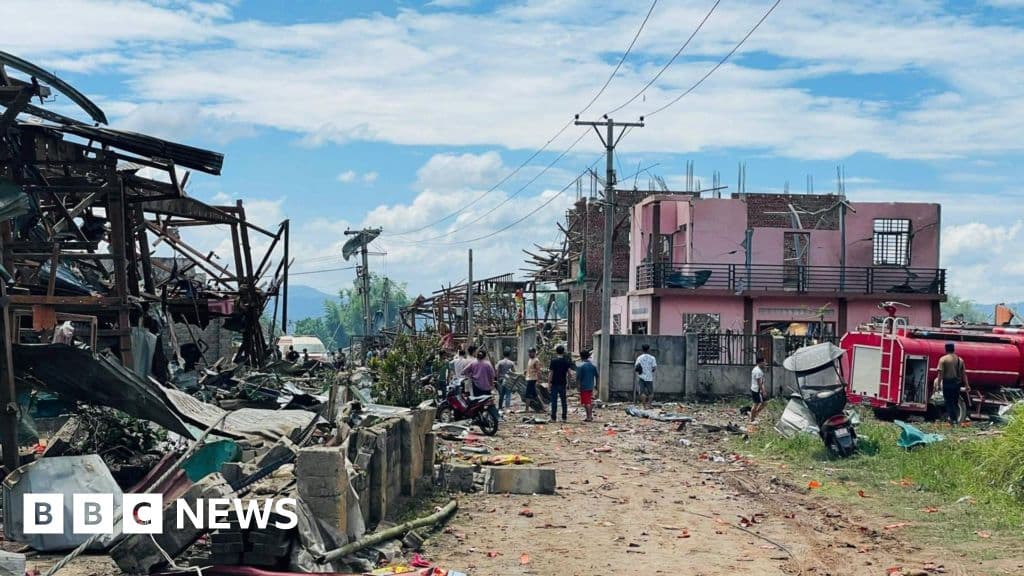
A devastating explosion in Myanmar's Kaung Tat village has killed at least 55 people, raising serious safety concerns and questions about civilian protection in conflict zones.
BBC World