

Image: The Hindu
Environmentalists express urgent concerns over Kolleru Lake's degradation, citing impact on wildlife and local livelihoods. What’s next for this vital ecosystem?
GlipzoThe Kolleru Lake, historically a vibrant freshwater ecosystem, is grappling with severe ecological degradation that has raised alarm among environmentalists and local communities. Located in the heart of Andhra Pradesh, India, Kolleru Lake has long been a crucial habitat for migratory birds, a source of livelihood for fishermen, and an essential player in natural flood regulation. However, over the past 50 years, its health has deteriorated significantly, leading to dire consequences for both wildlife and local livelihoods.
As reported by Bolisetty Satyanarayana, an environmental activist and national convener of Jal Biradari, the decline can be traced back to 1975. This period marked the beginning of a troubling trend characterized by a reduction in the lake's natural water spread, the expansion of aquaculture activities, and significant alterations to the area's natural hydrology. These changes have not only diminished the lake's ecological integrity but have also compromised the traditional fishing practices that many local families depend on for their survival.
The rise of aquaculture within the boundaries of Kolleru Lake has been particularly damaging. Fish farming operations, while economically beneficial in some aspects, have encroached upon the lake's natural ecosystems, leading to a decline in water quality and biodiversity. Satyanarayana expressed his frustration with the ongoing situation, stating that successive governments and enforcement agencies have not only neglected to protect this vital resource but have also disregarded court orders aimed at conserving the lake.
The ramifications of these actions are profound. The once-thriving population of migratory birds that flocked to the lake has diminished significantly, disrupting the delicate balance of the ecosystem. This decline is concerning not only for environmentalists but also for local communities who rely on these birds for their traditional fishing practices.
During a press conference on March 22, 2026, in Visakhapatnam, Satyanarayana emphasized the urgency of the situation. He called on both the government and local authorities to take immediate action to reverse the ecological damage and restore the lake's health. Activists believe that without swift intervention, the Kolleru Lake could face irreversible damage, making it increasingly difficult for wildlife and local communities to thrive.
“We have a responsibility to protect our natural resources, not just for ourselves but for future generations,” Satyanarayana stated passionately. His words echo the sentiments of many who see the degradation of Kolleru Lake as a reflection of broader environmental issues facing India today.
The plight of Kolleru Lake is emblematic of a larger environmental crisis affecting freshwater ecosystems around the globe. As urbanization and industrialization continue to expand, many such critical habitats are facing similar threats. The loss of biodiversity, disruption of traditional livelihoods, and alteration of natural landscapes are consequences that resonate far beyond the immediate locality.
The degradation of Kolleru Lake serves as a poignant reminder of the delicate balance between development and conservation. It highlights the need for sustainable practices that prioritize ecological health alongside economic growth.
The future of Kolleru Lake hangs in the balance. Activists are hopeful that raising awareness about the lake's plight will lead to greater public support and governmental action. Key actions to watch for include: - Government intervention: Will local and state governments step up to enforce existing protections for the lake? - Community engagement: Will local communities rally together to advocate for sustainable practices? - Legal action: Could further legal measures be pursued to hold accountable those responsible for the lake's degradation?
As the situation unfolds, it will be crucial for stakeholders—including government authorities, environmentalists, and local communities—to collaborate on sustainable solutions that can preserve Kolleru Lake for generations to come. Only through collective action can the ecological crisis facing this vital resource be addressed, ensuring its survival and the livelihoods of those who depend on it.
In conclusion, the Kolleru Lake serves as an urgent call to action. It is a critical reminder of the importance of protecting our natural ecosystems, not only for the wildlife they support but also for the communities that rely on them. The time to act is now, and the eyes of the world are watching to see what steps will be taken next to safeguard this precious environment.
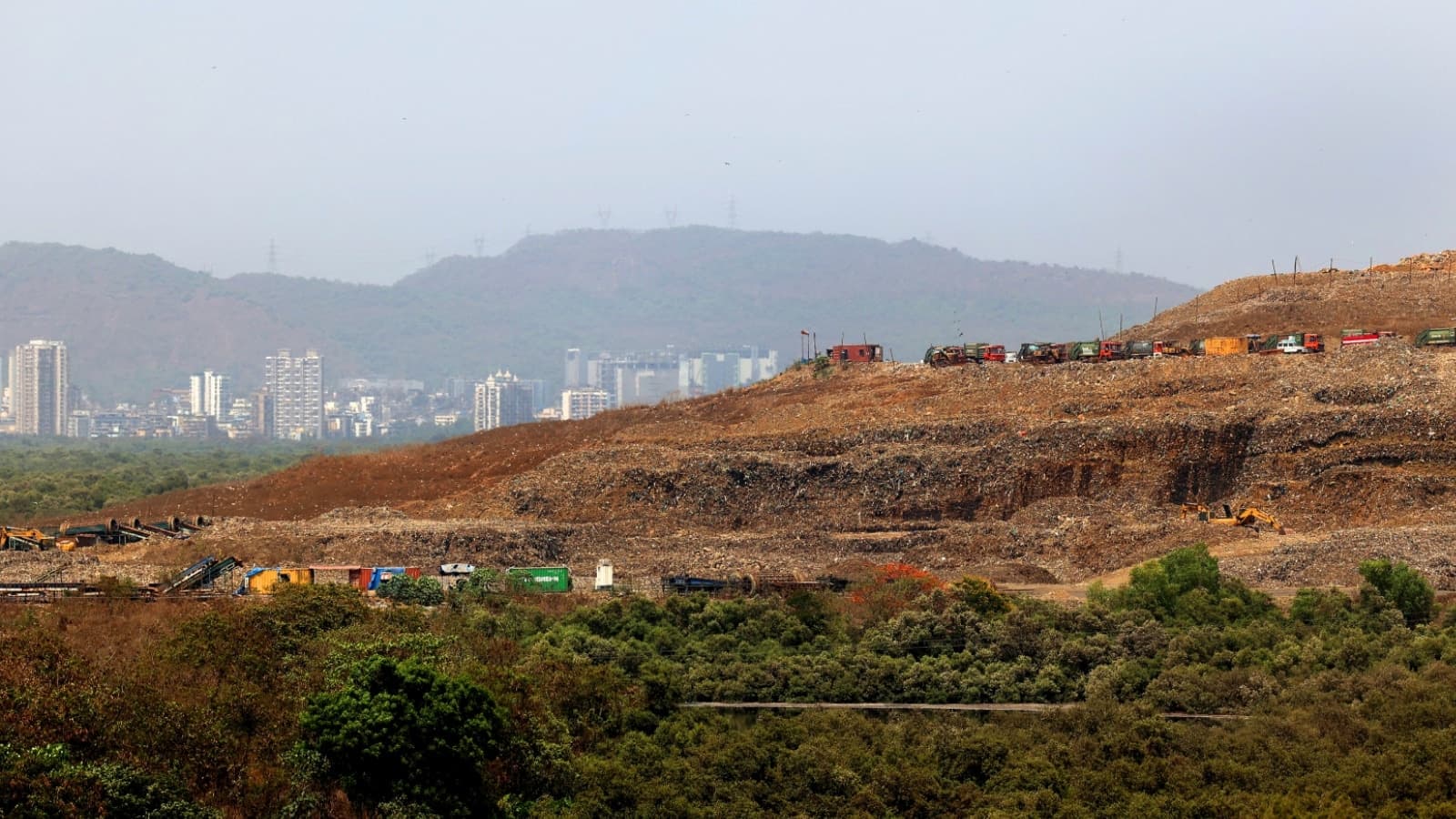
Discover how Mumbai's Kanjurmarg landfill poses a serious health risk to nearby residents, drawing international attention to a growing environmental crisis.
Indian Express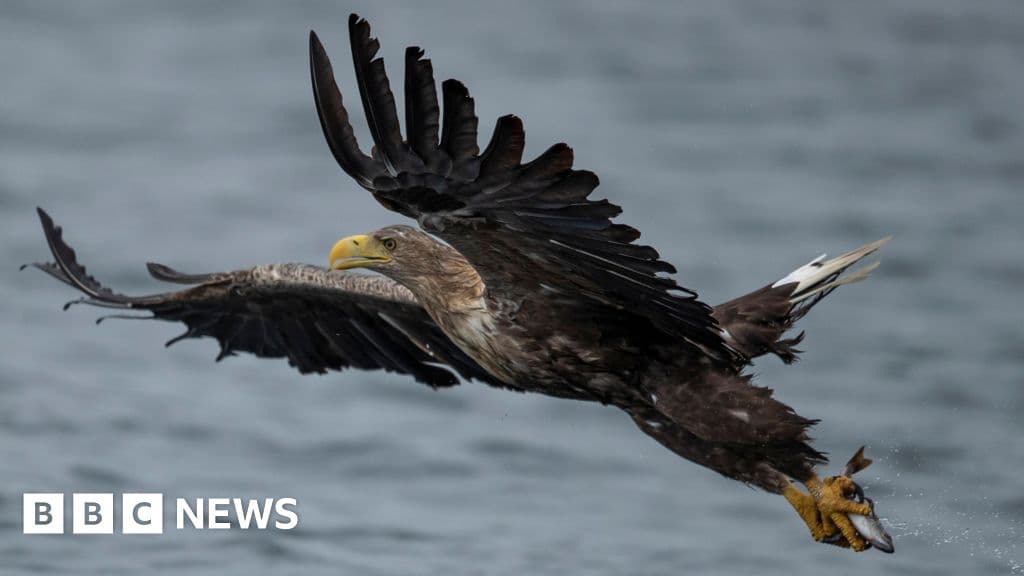
Discover the implications of white-tailed eagles' return to Exmoor. Farmers voice concerns over livestock safety amidst conservation efforts. What’s next?
BBC Science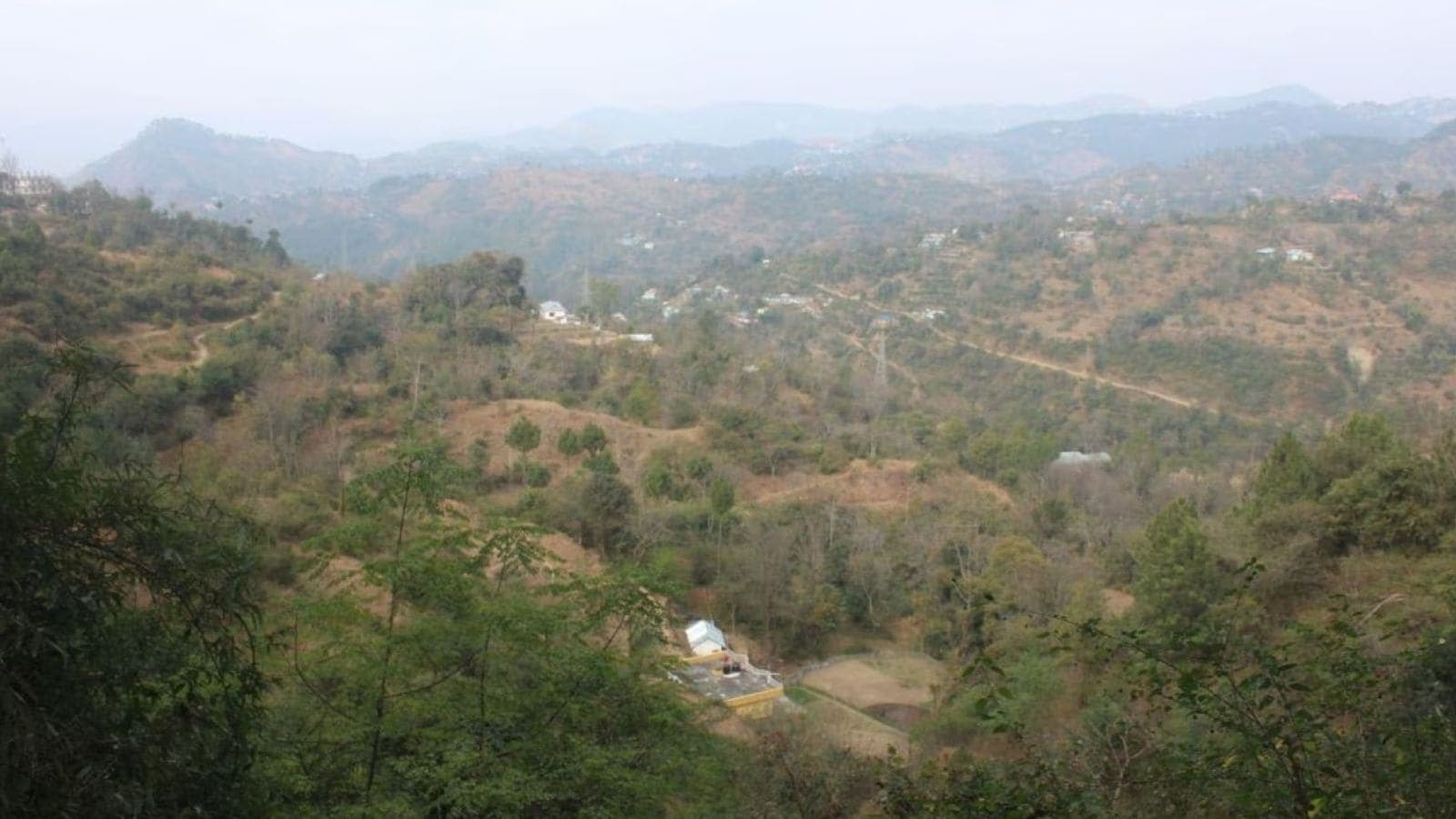
Himachal Pradesh reveals alarming forest loss due to encroachment, with 0.11% of land illegally occupied. What’s next for the state's environmental future?
Indian Express