
Image: Indian Express
Discover how Mumbai's Kanjurmarg landfill poses a serious health risk to nearby residents, drawing international attention to a growing environmental crisis.
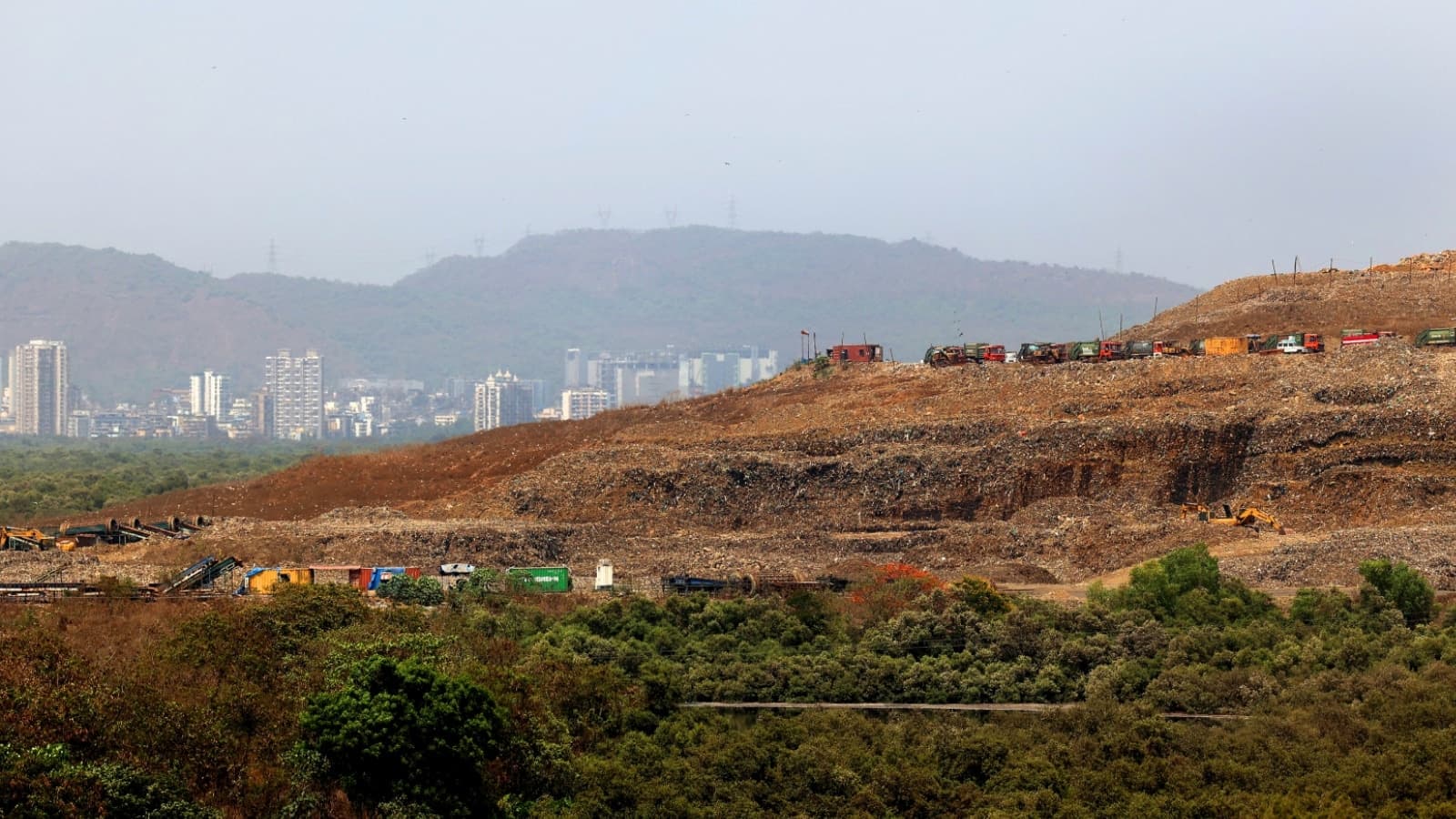
GlipzoIn the heart of Mumbai, a growing environmental crisis looms over the eastern suburbs, casting a long shadow on the lives of its residents. The Kanjurmarg landfill, which processes a staggering 86% of Mumbai’s daily waste, has transformed into a towering mountain of garbage. This landfill is not just an eyesore; it poses a significant threat to public health and the environment for those living in nearby neighborhoods like Kannamwar Nagar, Vikhroli, and Bhandup.
Residents have been grappling with the landfill’s impact for years, which has altered their way of life dramatically. Archana Mane, a 66-year-old resident of Kannamwar Nagar, describes her home as feeling like a “gas chamber.” Even the simple act of opening a window has become a risk, as the terrible stench permeates their living spaces.
> “One evening the smell became so strong that my nose started burning and I felt dizzy,” recalls Mane. “My family told me not to step outside for several days.”
The health implications of living near the Kanjurmarg landfill are alarming. Many residents report experiencing symptoms such as nausea, headaches, and dizziness due to prolonged exposure to the foul odors emanating from the site. Prachi Gawande, a 61-year-old resident, shared that even her pet dog, Snowy, is affected by the landfill’s pollutants:
> “My dog often falls sick and hides in the corner of our house. The veterinarian told us Snowy is behaving this way because of the pollutants from the landfill.”
The Kanjurmarg landfill, operational since 2011, processes approximately 6,100 metric tonnes of waste daily, leading to an accumulation of nearly 189 lakh metric tonnes of refuse over the years. These towering garbage mounds reach heights of up to 50 meters, which is more than twice the height of the iconic Gateway of India. This alarming growth has made the landfill a defining feature of eastern Mumbai’s skyline.
What makes the Kanjurmarg landfill particularly troubling is its proximity to residential areas. According to civic records, some apartment buildings in Kannamwar Nagar are located as close as 142 meters from the landfill, despite regulations from the Central Pollution Control Board (CPCB) stipulating a buffer zone of 200 to 500 meters between waste processing facilities and residential areas. This close proximity means that approximately 15,000 residents, many of whom were resettled due to a slum rehabilitation scheme, are living within a hazardous environment.
The landfill’s location also poses ecological risks, as it is adjacent to the sensitive Thane Creek and mangrove ecosystems. Residents have reported a dramatic increase in mosquito populations during the monsoon months, leading to a spike in diseases like malaria and dengue.
> “The smell becomes strongest during the night,” says Satyadev Verma, a member of the Kannamwar Residents Association. “During monsoon, mosquitoes multiply because of the garbage, and malaria and dengue cases become common in every household.”
The crisis surrounding the Kanjurmarg landfill has garnered international attention, particularly due to a recent report from the University of California, Los Angeles (UCLA). This report classified the landfill as one of the world’s top 25 methane hotspot zones, highlighting the severe environmental implications of the site.
Methane, a greenhouse gas produced by decomposing waste, is over 20 times more harmful to the atmosphere than carbon dioxide. Unlike the noxious odors, methane is invisible and odorless, making it even more dangerous. Kiran Dighavkar, Deputy Municipal Commissioner, noted:
> “Methane is a gas that one cannot even smell to understand its presence. It gets inhaled unknowingly and can severely damage the body.”
This alarming discovery has raised questions about the long-term sustainability of waste management practices in Mumbai and has called for urgent action to address the crisis.
The situation at Kanjurmarg is a stark reminder of the urgent need for effective waste management solutions in rapidly urbanizing cities like Mumbai. As the city continues to grow, the pressure on existing waste facilities will only increase, necessitating innovative approaches to waste reduction, recycling, and sustainable disposal.
Community leaders and environmental activists are calling for immediate reforms, including: - Improved waste segregation at the source - Enhanced recycling initiatives to reduce landfill dependency - Investment in sustainable waste processing technologies - Stricter enforcement of environmental regulations
As the global community begins to take notice of Mumbai’s struggles, the hope is that increased awareness will lead to meaningful change. Residents are left wondering how much longer they can endure living under the shadow of a garbage mountain, and what steps will be taken to ensure their health and well-being in the future.
As we look ahead, the fate of the Kanjurmarg landfill and its surrounding neighborhoods will hinge on the actions taken by local authorities and the commitment of the community to advocate for a cleaner, healthier environment.

Discover the implications of white-tailed eagles' return to Exmoor. Farmers voice concerns over livestock safety amidst conservation efforts. What’s next?
BBC Science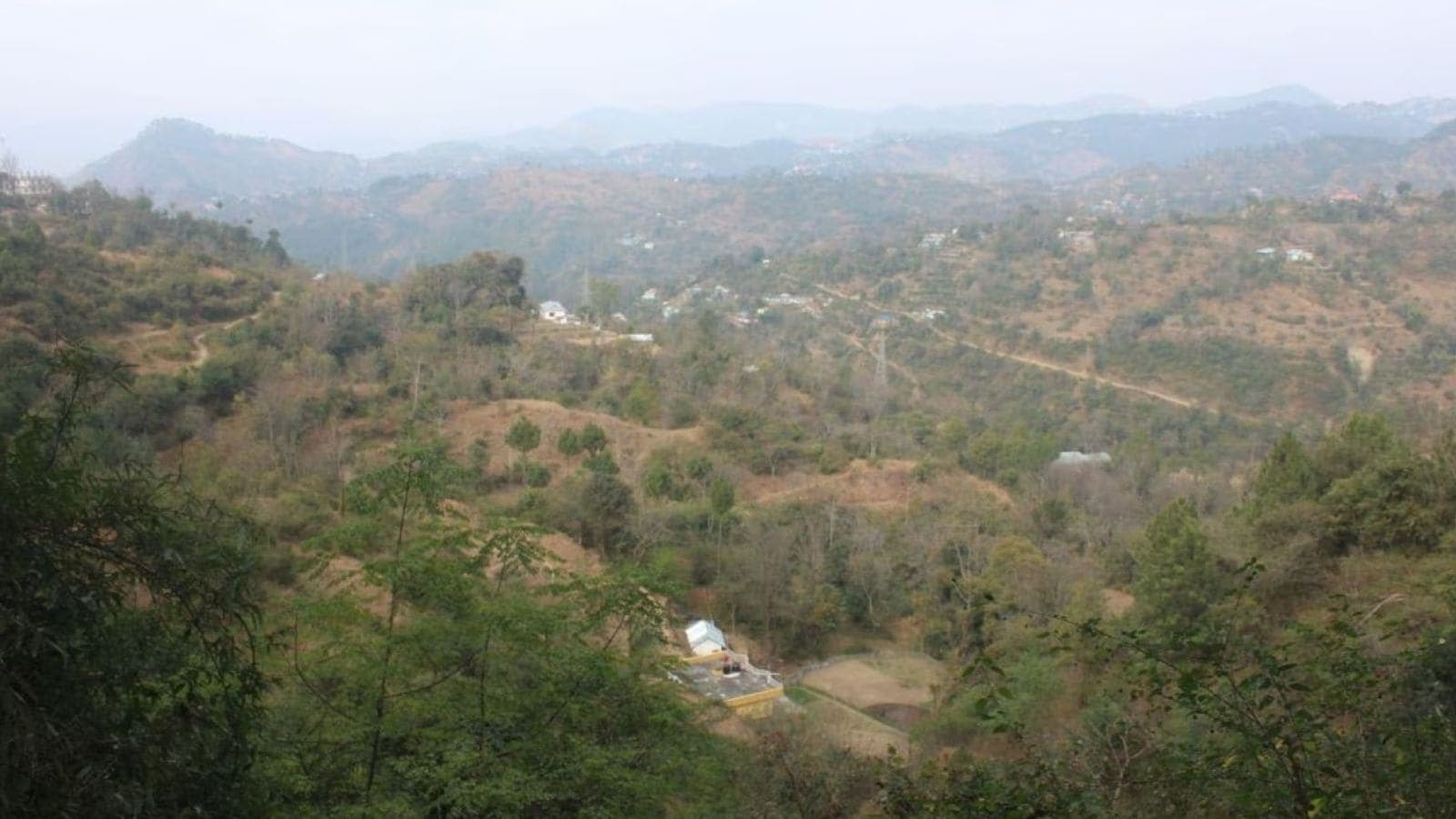
Himachal Pradesh reveals alarming forest loss due to encroachment, with 0.11% of land illegally occupied. What’s next for the state's environmental future?
Indian Express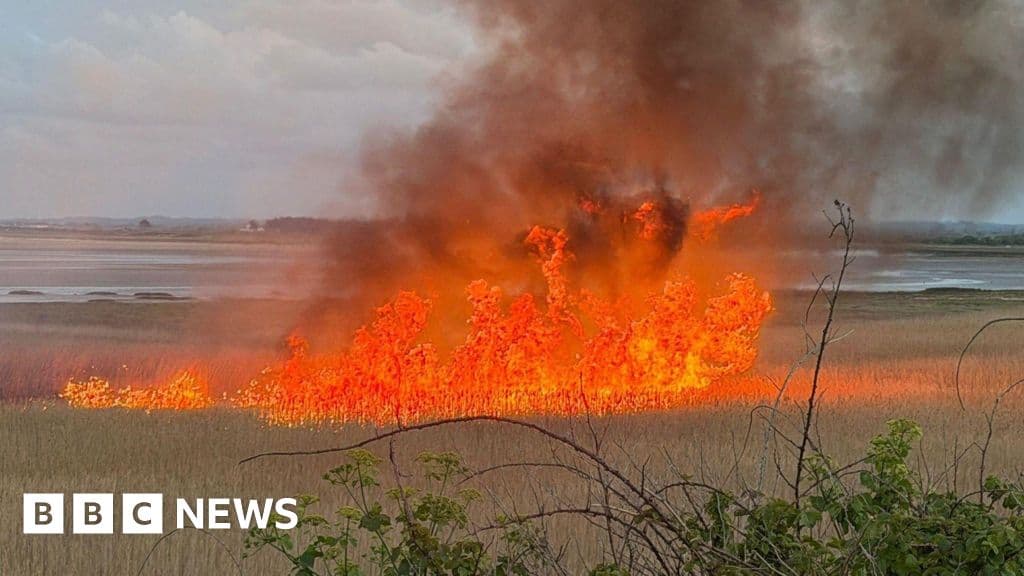
A fire at Pegwell Bay SSSI in Kent, believed to be arson, devastates critical wildlife habitat. Read about its impact and ongoing investigation.
BBC Science