
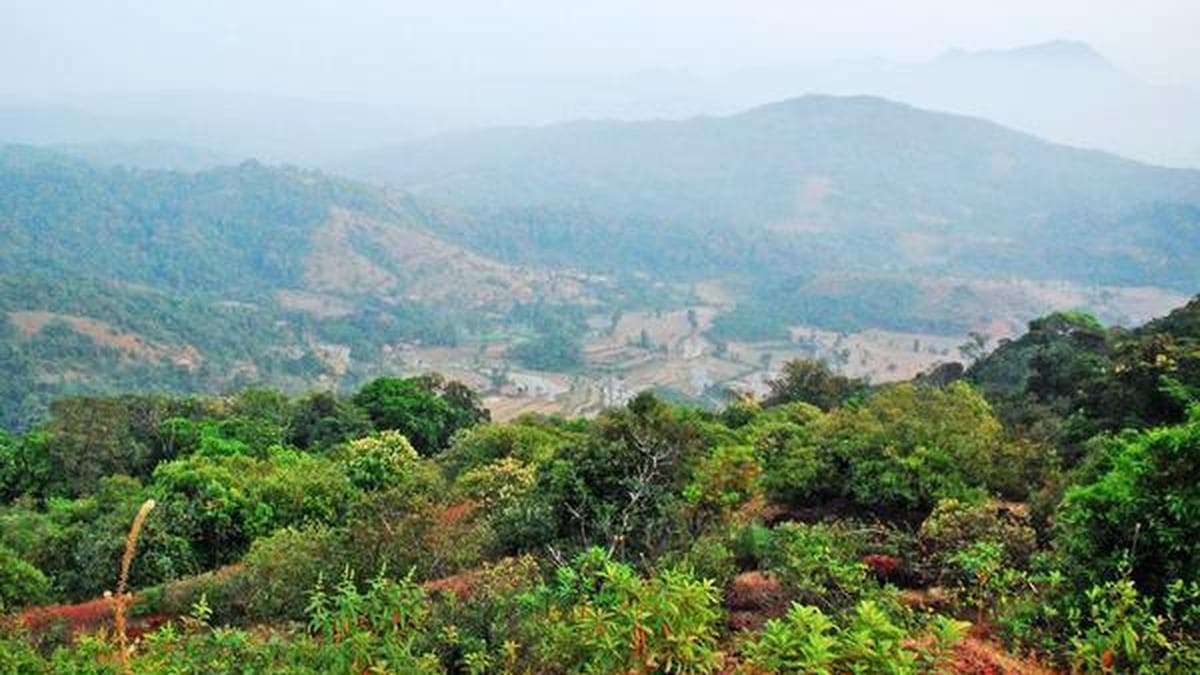
Image: The Hindu
The Karnataka High Court halts the controversial Sharavathi Hydroelectric Project, raising significant ecological concerns as environmentalists celebrate a legal victory.
GlipzoA recent ruling from the Karnataka High Court has temporarily halted the controversial Sharavathi Pumped Storage Hydroelectric Project, a decision welcomed by environmental activists concerned about its potential impact on a vital wildlife sanctuary. This ruling, issued earlier this month, comes as part of a legal challenge against the project located in the Sharavathi Lion-Tailed Macaque Wildlife Sanctuary, a significant ecological area in the Western Ghats, known for its rich biodiversity.
The court's directive to cease all construction activities in the forested area is a significant win for environmentalists who have been vocal opponents of the project since it was first proposed in 2017. Activists argue that the project threatens the delicate ecosystem of the Western Ghats, a UNESCO World Heritage site and one of the world’s eight “hottest hotspots” of biological diversity. This ruling underscores the ongoing tension between energy development and environmental conservation in India.
The Karnataka Power Corporation Limited (KPCL) had initiated the project with the intention of generating 2,000 MW of power to address peak-hour energy needs, which can soar to 18,000 MW daily. This ambitious initiative was positioned as a critical step towards meeting the Central Electricity Authority's goal of achieving 50% non-fossil fuel capacity by 2030. However, the initial cost estimates of around ₹4,800 crore have ballooned to approximately ₹10,240 crore, raising concerns about financial viability and environmental impact.
The Sharavathi River, which flows for about 130 km through the Western Ghats before emptying into the Arabian Sea, serves as the backbone of Karnataka’s hydropower infrastructure, already hosting four major power stations. The KPCL’s plan to expand this network has ignited fierce opposition from various stakeholders, including environmentalists, local residents, farmers' groups, and religious leaders across Shivamogga and Uttara Kannada districts.
Key concerns raised by opponents include: - Deforestation: The initial plan required the felling of over 16,000 trees, later revised to 7,000 to 8,000 under pressure from the State Wildlife Board. - Biodiversity Threats: The project could endanger the habitat of the lion-tailed macaque, a species endemic to the region. - Increased Landslide Risks: Local residents fear that the construction of tunnels and access roads could exacerbate landslide risks, particularly during the monsoon season. - Legal and Regulatory Challenges: Accusations have emerged regarding potential violations of laws prohibiting non-forest activities in protected areas.
Despite receiving the go-ahead from the State Wildlife Board in January 2025, the project still lacks critical forest and environmental clearances. The National Board of Wildlife (NBWL) has granted an in-principle approval, but significant hurdles remain. A recent site inspection report from Praneetha Paul, Deputy Inspector General of Forests, has further complicated matters by not recommending the project. Paul highlighted that the proposed construction activities would lead to the destruction of wet evergreen forests and the fragmentation of habitats crucial for the survival of endangered species.
The findings from this inspection have been pivotal for environmentalists, bolstering their case against the project and calling attention to the need for a thorough evaluation of its ecological implications.
The opposition to the Sharavathi project is not limited to environmental groups; it extends to local communities who have organized protests and raised awareness about the potential risks associated with the hydroelectric project. Meetings held by various stakeholders have focused on the environmental degradation anticipated from the project, emphasizing the need to protect the region's unique flora and fauna.
Local farmer and activist Akhilesh Chipli has been particularly vocal, asserting that the project violates regulations set forth to protect forested areas. The collective action by diverse community groups showcases a growing awareness and commitment to environmental stewardship in the face of developmental pressures.
As the Karnataka High Court's order remains in effect, all eyes will be on the state government and the KPCL to see how they respond to the growing public and legal pressures. The future of the Sharavathi Pumped Storage project now hinges on: - Further Legal Proceedings: The court's next steps could determine whether the project proceeds or faces further delays. - Regulatory Approvals: The pending environmental clearances from both state and national bodies will be crucial in shaping the project's viability. - Public Sentiment: Continued community engagement and opposition may influence political decisions, potentially steering the focus towards more sustainable energy solutions that do not compromise ecological integrity.
In conclusion, the fate of the Sharavathi Pumped Storage Hydroelectric Project embodies the broader conflict between energy development and environmental preservation. As the situation develops, stakeholders must carefully weigh the implications of energy transition efforts against the need to safeguard our planet's vital ecosystems.
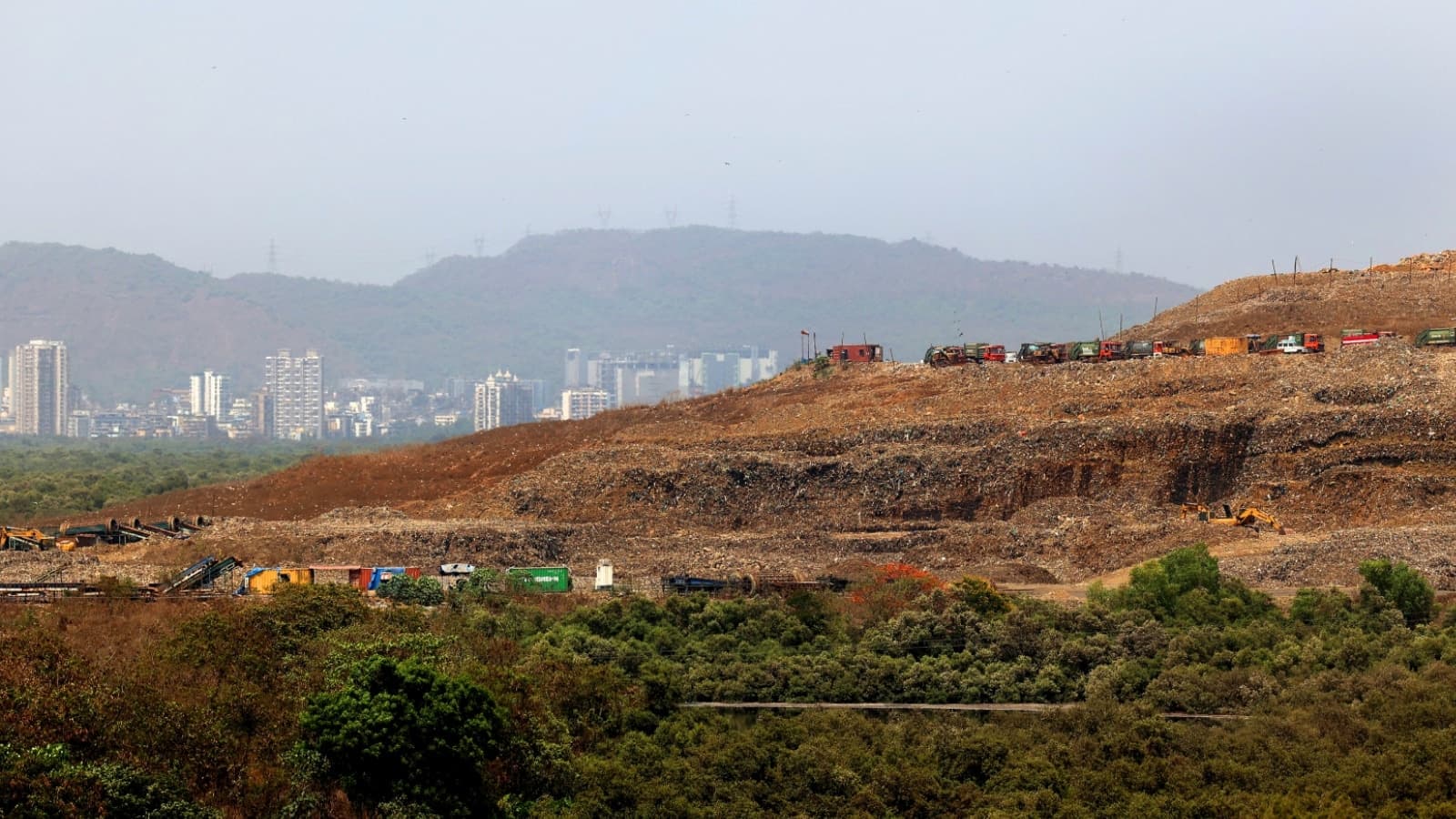
Discover how Mumbai's Kanjurmarg landfill poses a serious health risk to nearby residents, drawing international attention to a growing environmental crisis.
Indian Express
Discover the implications of white-tailed eagles' return to Exmoor. Farmers voice concerns over livestock safety amidst conservation efforts. What’s next?
BBC Science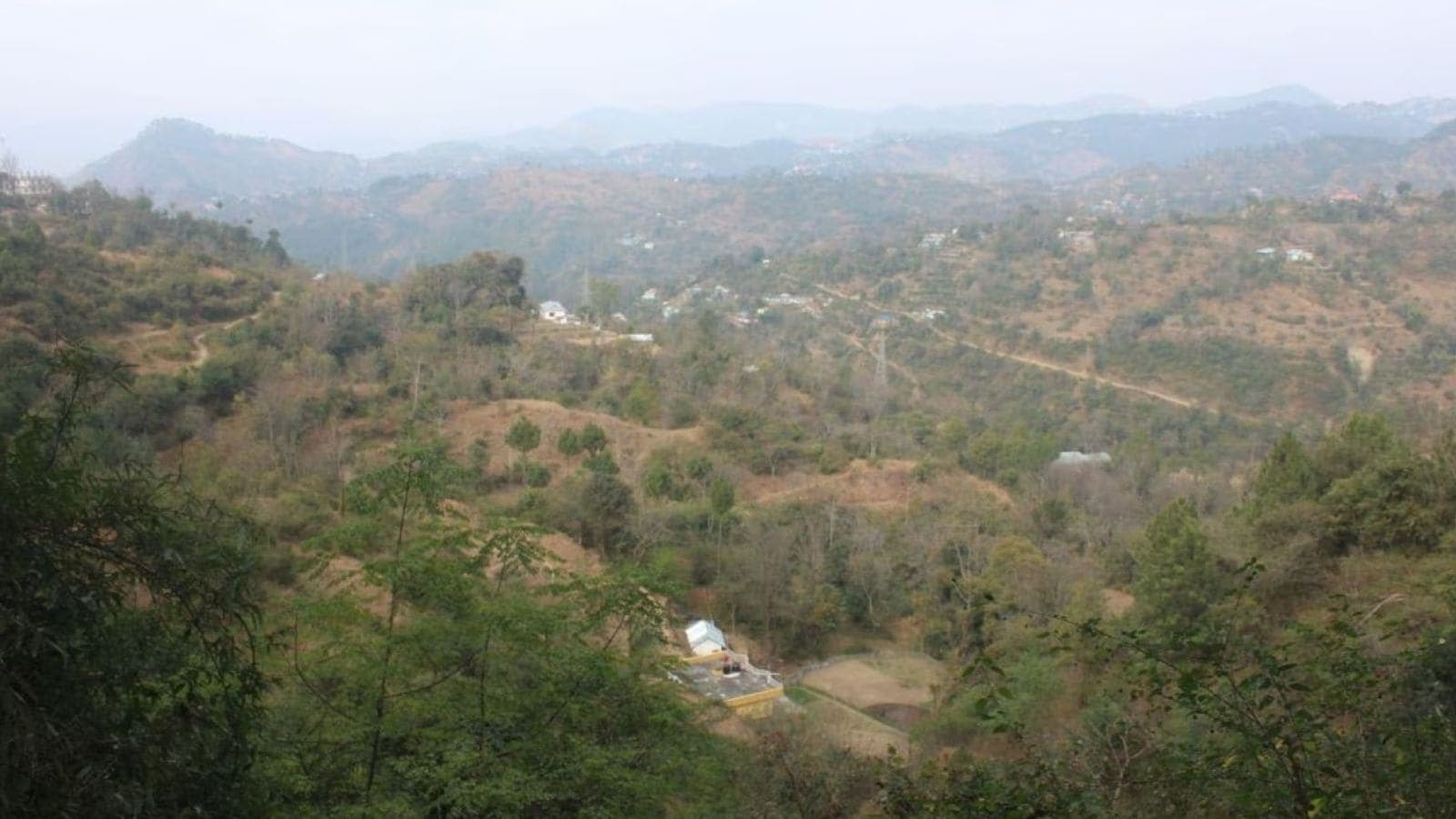
Himachal Pradesh reveals alarming forest loss due to encroachment, with 0.11% of land illegally occupied. What’s next for the state's environmental future?
Indian Express