
Image: BBC World
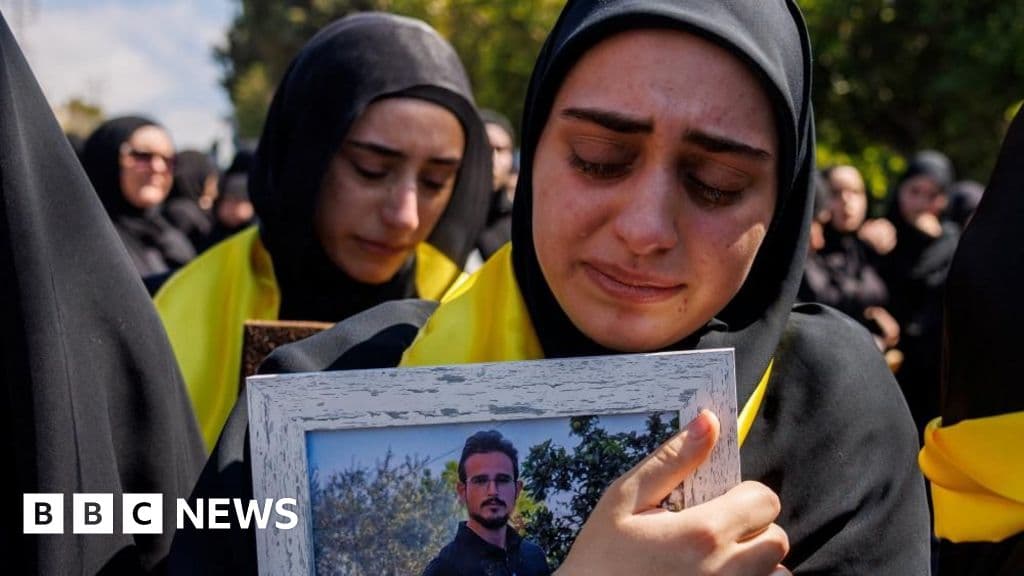
The death toll in Lebanon from Israeli strikes has exceeded 3,000 amid ongoing conflict with Hezbollah. What does this mean for regional stability? Read more.
GlipzoAs the conflict between Israel and Hezbollah intensifies, Lebanon's health ministry reports an alarming rise in fatalities, with the death toll surpassing 3,000. As of Monday, the count stands at 3,020, marking a devastating moment in a war that shows little sign of resolution. The crisis escalated dramatically in early March, triggered by a series of violent exchanges that have left the region on edge.
Lebanon was drawn into the conflict on March 2, when Hezbollah, an Iran-backed Shia Islamist militant group, launched rockets into Israeli territory. This attack was a direct response to an Israeli airstrike that resulted in the death of Iran’s supreme leader, escalating tensions between the two nations. Despite a fragile ceasefire brokered by the United States, the violence continues to claim lives and disrupt communities.
The ceasefire, which took effect on April 17, was supposed to provide a respite; however, it has been marred by continuous violations from both sides. The Lebanese health ministry has noted that over 400 deaths have occurred since this temporary truce was implemented. The ongoing hostilities are particularly concerning, as they indicate a lack of commitment to peace from either side.
This latest extension of the ceasefire, announced on Friday, grants an additional 45 days of negotiation opportunities, yet the violence has not abated. Israel continues to conduct airstrikes, claiming they are necessary to counteract Hezbollah's military activities. In stark contrast, Lebanese officials have condemned these actions, asserting that they impede efforts to regain control over armed groups operating within their borders.
Since the ceasefire extension, Israeli airstrikes have targeted multiple towns and villages in southern Lebanon and the Bekaa Valley, resulting in dozens of civilian casualties. A significant escalation was recorded on Saturday, as Israeli forces executed a series of strikes across more than two dozen villages. Alarmingly, only nine of these strikes were preceded by evacuation warnings, leaving many civilians vulnerable to the violence.
Hezbollah, in retaliation, announced that its fighters had launched a swarm of attack drones targeting Israeli military positions, specifically the Yaara barracks in northern Israel. This act of defiance highlights the ongoing cycle of retaliation that continues to plague the region. Israel's military announced that one of its soldiers was killed during clashes on the same day, raising its military death toll to 20 since the conflict reignited in March, alongside four civilian deaths.
The ongoing conflict not only affects Lebanon and Israel but also has broader implications for regional stability. As tensions rise, the risks of a wider conflict increase, drawing in other nations and complicating an already volatile situation. Lebanon's government has expressed its commitment to restoring control over armed militias, but the continuous strikes undermine these efforts, leading to questions about the state’s authority and the potential for civil unrest.
As the situation unfolds, all eyes will be on the upcoming negotiations scheduled for early June. The outcome of these talks will be critical in determining whether the fragile ceasefire can be transformed into a lasting peace or if the region will continue to spiral into deeper conflict. Analysts will closely monitor the actions of both Israel and Hezbollah, as further military engagements could lead to a complete breakdown of any diplomatic resolutions.
In summary, the dire circumstances in Lebanon serve as a stark reminder of the fragility of peace in the region. The international community must remain engaged and proactive in seeking a resolution to prevent further loss of life and to stabilize a region that has seen too much conflict already.
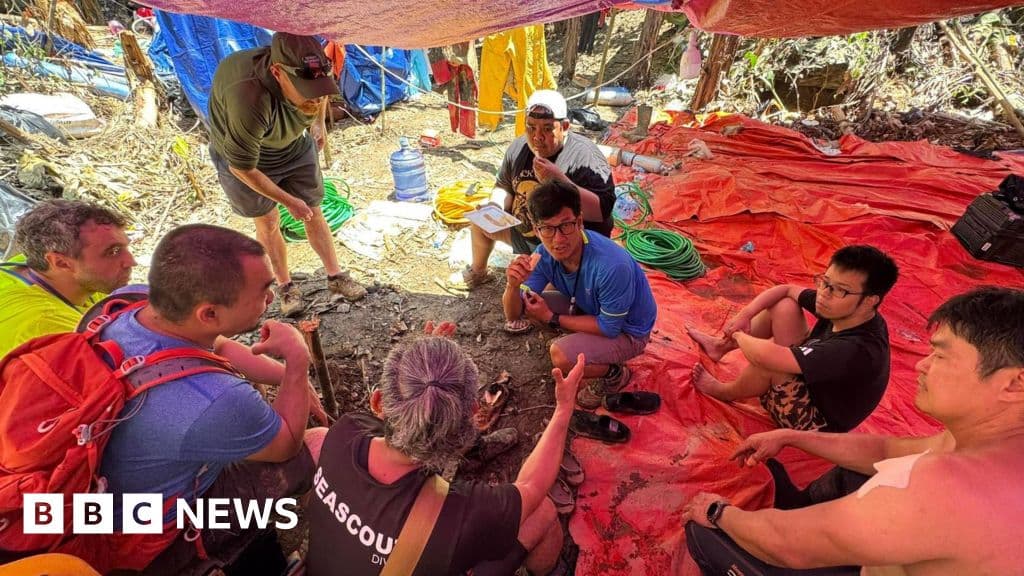
Survivors of the Laos cave rescue are aiding efforts to find the last two missing men trapped inside, sharing crucial insights for the search operation.
BBC World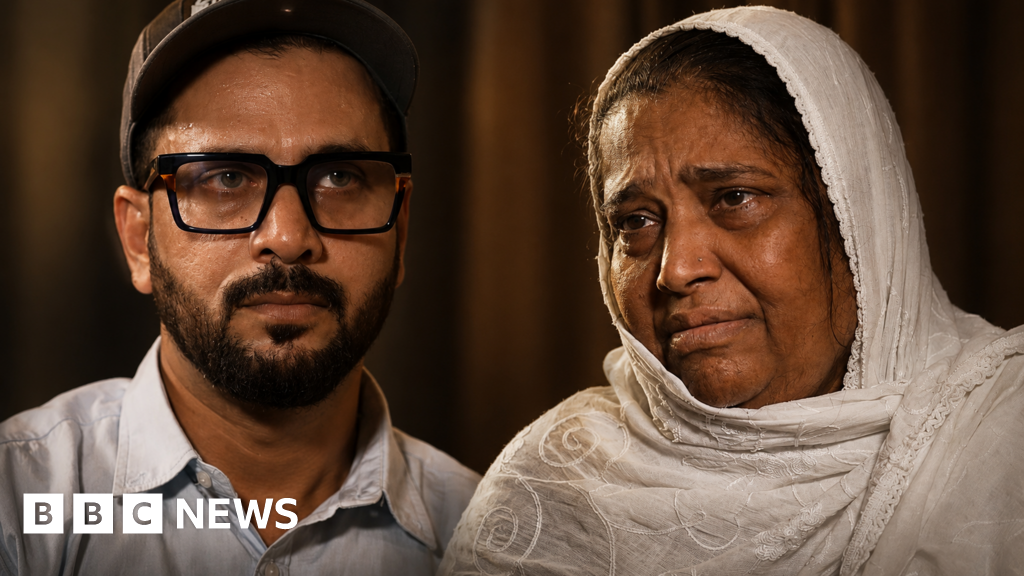
A year after the tragic Air India crash, the Ali family reflects on grief, unanswered questions, and the enduring bonds of love in the face of loss.
BBC Business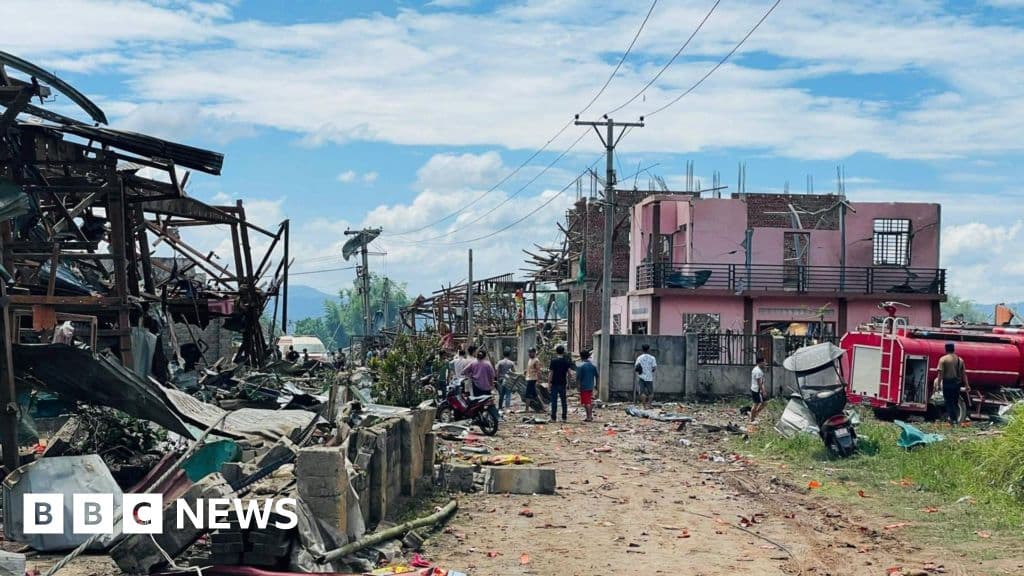
A devastating explosion in Myanmar's Kaung Tat village has killed at least 55 people, raising serious safety concerns and questions about civilian protection in conflict zones.
BBC World