

Image: TechCrunch
A cyberattack on Intoxalock breathalyzer systems has stranded drivers nationwide, raising concerns over technology vulnerabilities in public safety.
GlipzoA cyberattack on Intoxalock, a prominent vehicle breathalyzer company, has left countless drivers stranded across the United States, unable to start their cars. This unsettling incident, which occurred on March 14, has raised significant concerns about the vulnerabilities of technology that governs essential transportation services.
The company’s breathalyzer devices, designed to prevent individuals from operating vehicles under the influence, integrate directly into vehicle ignition systems. Users are mandated to provide a negative breath sample to initiate their vehicle. However, in light of the recent attack, Intoxalock reported on its website that it is currently facing downtime, creating a ripple effect of frustration among drivers who rely on these devices.
According to Rachael Larson, a spokesperson for Intoxalock, the company took immediate action by temporarily pausing certain systems as a safeguard against the attack. This precautionary measure has resulted in the inability to perform necessary calibrations on breathalyzer devices.
Local news outlets across Maine reported that numerous drivers found themselves stranded, unable to start their vehicles due to the malfunctioning breathalyzer systems. One auto shop in Middleboro even mentioned to WCVB 5 in Boston that several cars have been stuck in their lot throughout the week due to this ongoing crisis.
The implications of this cyberattack extend far beyond a single state, as reports have surfaced from New York to Minnesota, indicating that numerous drivers across the nation are grappling with similar issues. The inability to calibrate breathalyzer devices has rendered many vehicles inoperable, affecting the daily lives of countless individuals.
Intoxalock’s technology is utilized in 46 states, serving approximately 150,000 drivers annually, making this situation particularly alarming. Unfortunately, the company has remained tight-lipped about the specifics of the cyberattack, leaving many questions unanswered. They have not disclosed whether it was a case of ransomware, a data breach, or if they have received any demands from the attackers.
This incident underscores a crucial point about the intersection of technology and public safety. The reliance on digital tools for critical services, such as vehicle ignition systems, poses a risk when those systems become compromised. The fact that a cyberattack can immobilize vehicles essential for the safety and mobility of drivers raises numerous concerns.
As Intoxalock continues to address the fallout from this cyberattack, many are left wondering about the timeline for recovery. The company has yet to provide a clear estimate for when its systems will be fully operational again, leaving drivers in limbo.
In conclusion, this cyberattack serves as a stark reminder of the vulnerabilities inherent in our increasingly digital world. As we await further updates, it’s crucial to understand the implications of such events on public safety and the need for robust security measures to protect critical infrastructure.
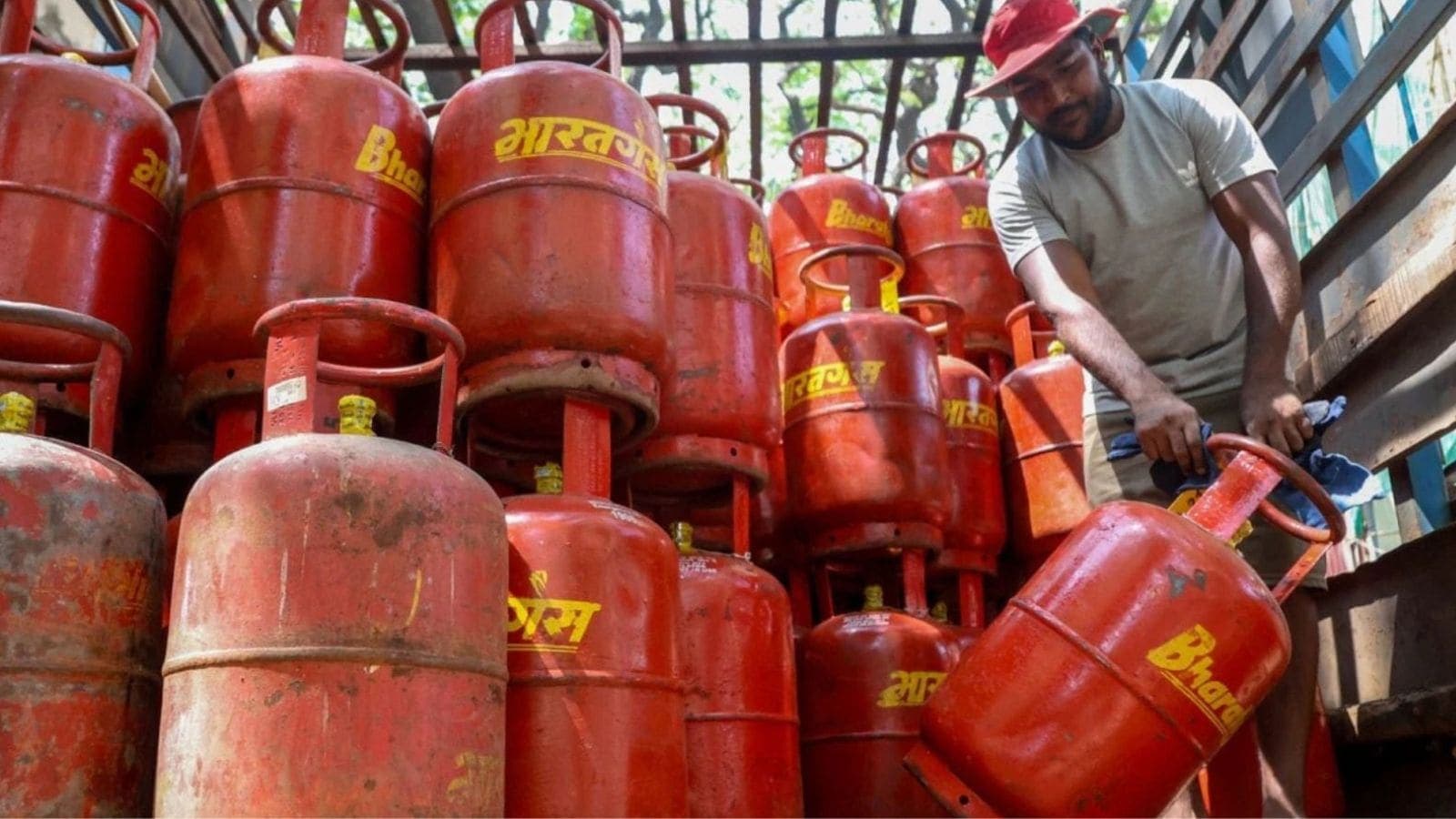
Commercial LPG prices have risen again, with increases of ₹42 in Delhi and ₹53.50 in Kolkata impacting businesses and consumers alike. Find out more.
Indian Express
Discover how a tragic coal mine explosion in Shanxi, China, reveals ongoing safety concerns in the industry amidst a push for green energy.
BBC Business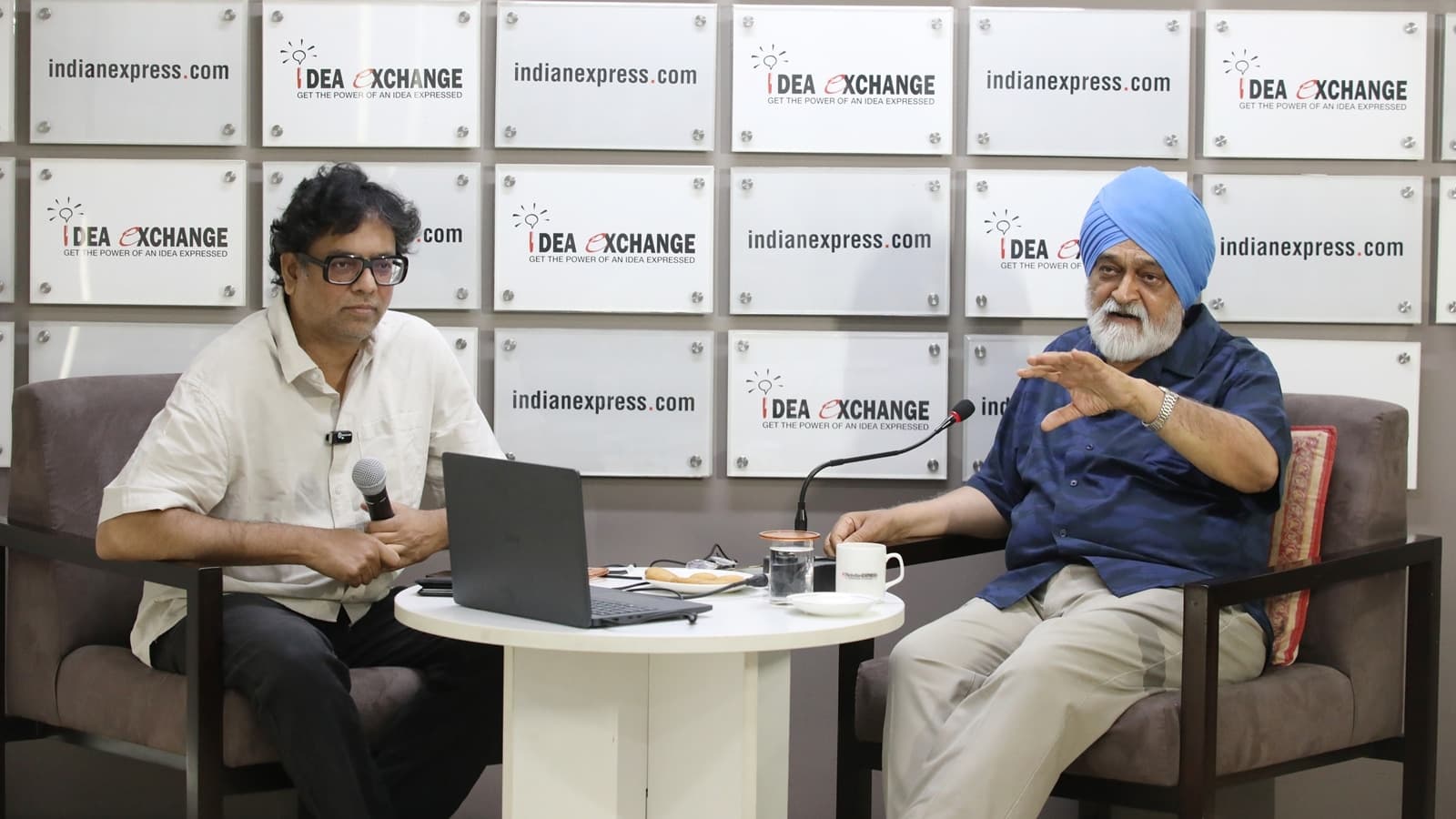
Montek Singh Ahluwalia highlights key economic challenges for India, emphasizing the need for a strategic approach to balance payments and investment.
Indian Express