
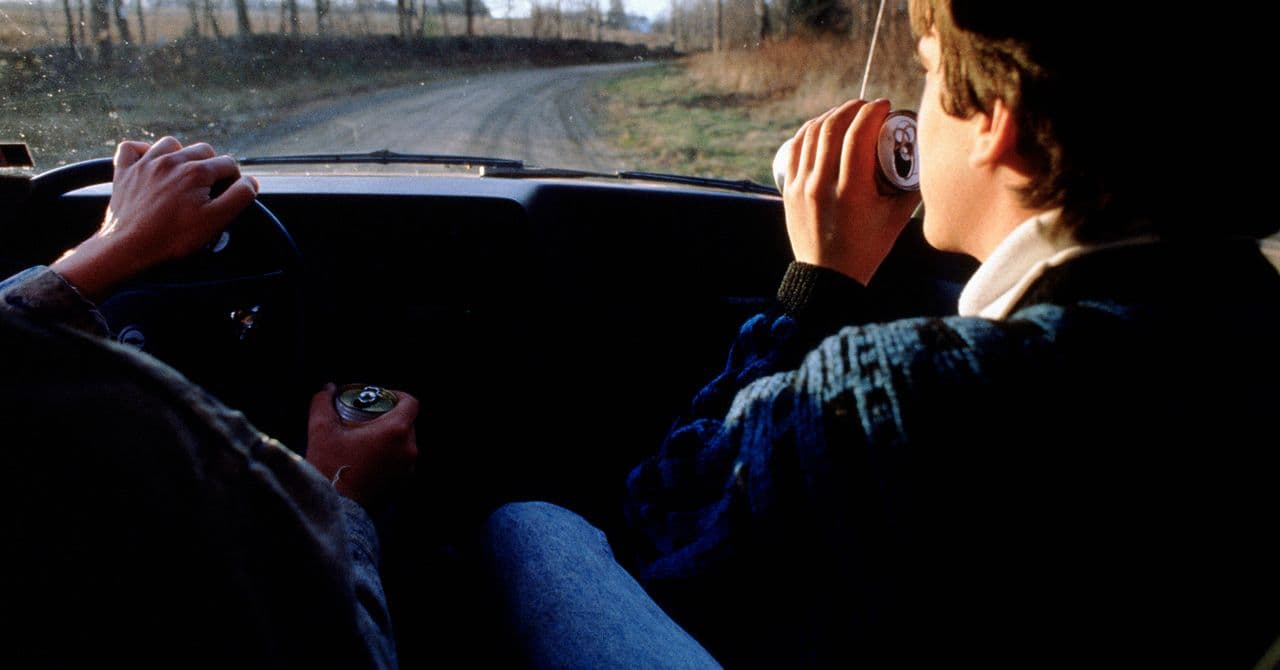
Image: Wired
A major cyberattack on Intoxalock leaves breathalyzer users stranded, raising concerns over cybersecurity in automotive technology. What are the implications?
GlipzoIn a shocking turn of events, Intoxalock, a prominent provider of automotive breathalyzers, has fallen victim to a significant cyberattack, leaving countless drivers stranded. The incident, reported earlier this week, has disrupted the systems that support these vital devices, affecting approximately 150,000 users across the United States. Many drivers are now unable to start their vehicles, not due to any substance impairment, but because the breathalyzers can no longer connect to the necessary company servers.
This situation has created a dilemma for many individuals who are court-mandated to use these breathalyzers. Imagine explaining to your boss that you can't get to work not because of a failure on your part, but due to a technical glitch that has rendered your vehicle inoperable. One frustrated driver took to Reddit to express their helplessness: "Our vehicles are giant paperweights right now through no fault of ours. I’m being held accountable at work and feel completely helpless."
The root of the problem lies in the breathalyzers requiring periodic calibrations, which necessitate a connection to Intoxalock’s servers. With the company’s systems currently down, many drivers who are past due for calibration find themselves unable to complete this essential task. In response to the unprecedented disruption, Intoxalock has announced that it will provide 10-day extensions for calibrations and is offering towing services in certain cases to mitigate the inconvenience.
However, the details surrounding the cyberattack remain unclear. Intoxalock has yet to disclose the nature of the attack or whether any sensitive user data has been compromised. As concerns mount, users are left wondering about the security of their personal information and what measures the company will take to prevent similar incidents in the future.
This incident at Intoxalock is just one example of a growing trend in cybersecurity threats. Just last week, U.S. law enforcement agencies dismantled major botnets—Aisuru, Kimwolf, JackSkid, and Mossad—that had infiltrated over 3 million devices worldwide. These cybercriminal networks have been linked to record-breaking cyberattacks, raising alarms about the security of connected devices in our homes and workplaces.
Moreover, the vulnerability of personal devices has become a pressing issue, especially with the emergence of new tools like DarkSword, which Russian hackers are reportedly using to exploit iPhone vulnerabilities. The intertwining of these two incidents underscores the escalating risk that individuals and organizations face in a digital landscape increasingly marked by cyber threats.
The fallout from the Intoxalock cyberattack is significant not just for the affected drivers but also for the broader conversation about cybersecurity in the automotive sector. As more vehicles become equipped with digital technologies, the potential for cyberattacks increases. This raises crucial questions about how companies protect sensitive data and maintain the functionality of their services.
Furthermore, the implications extend beyond individual inconvenience. For many, being forced to miss work or court appointments because of a cyberattack can have serious repercussions. This incident serves as a stark reminder of the fragility of technology we often take for granted.
Looking forward, it will be essential for Intoxalock to communicate transparently about the nature of the attack and the steps being taken to resolve the issues at hand. Users will be keenly awaiting updates regarding the security of their data and the expected timeline for restoring normal operations.
As the landscape of cybersecurity continues to evolve, it is likely that more regulatory measures will be implemented to ensure the safety of consumer devices. Stakeholders across various sectors must remain vigilant and proactive in addressing vulnerabilities to prevent similar incidents in the future.
In the coming weeks, keep an eye on updates from Intoxalock and other companies in the tech and automotive industries as they navigate this complex landscape. As we embrace an increasingly digital world, understanding the implications of cybersecurity breaches will be vital for consumers and businesses alike.
In conclusion, the recent cyberattack on Intoxalock shines a light on the vulnerabilities inherent in our technology-driven lives. As drivers grapple with the repercussions, it becomes crucial for both companies and consumers to prioritize cybersecurity measures. The integration of cutting-edge technology in our vehicles must not come at the expense of safety and reliability.
In the face of this growing threat landscape, staying informed and advocating for stronger cybersecurity practices is more important than ever.
---

Nvidia's new RTX Spark chip aims to transform personal computing with AI, marking a significant shift in technology. Discover what this means for consumers.
BBC Business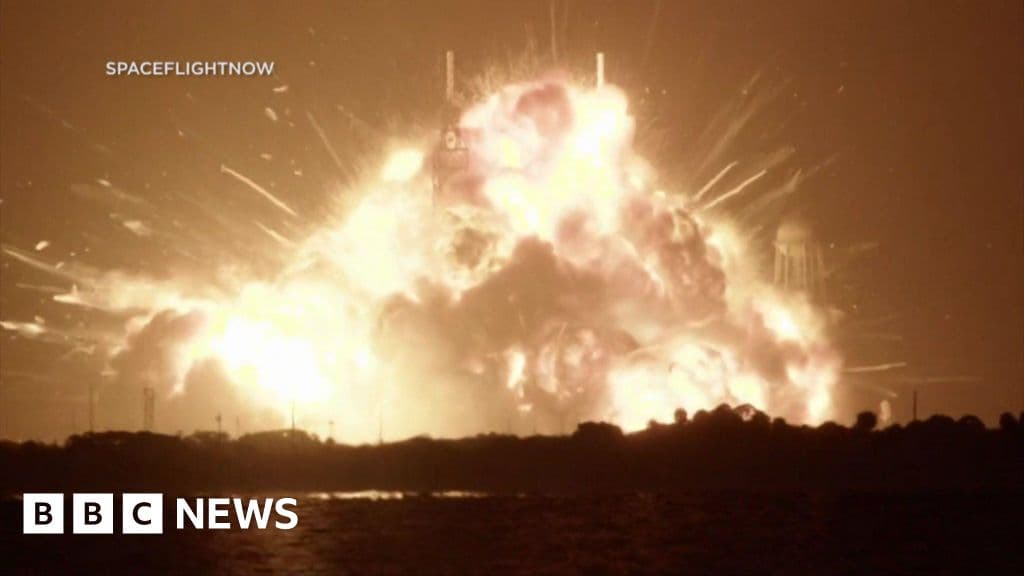
The explosion of Blue Origin's New Glenn rocket raises significant concerns over NASA's lunar ambitions and the future of Amazon's satellite projects. Discover the implications.
BBC Science
Discover how Meta's lack of engagement on user bans raises critical concerns about accountability and transparency in social media governance.
BBC Technology