

Image: Indian Express
CNG prices rise again amid US-Iran tensions. Discover how these developments affect fuel costs and global oil supply in this in-depth analysis.
GlipzoCNG prices in India have surged once again, marking a Rs 2 increase per kilogram as of May 26, following a similar rise on May 15, 18, and 23. This marks the fourth consecutive increase within a fortnight, pushing the cost of CNG in the national capital to Rs 83.09 per kg. In neighboring regions such as Noida, Greater Noida, and Ghaziabad, the prices have risen to Rs 89.70 per kg, while consumers in Mumbai are now paying Rs 84 per kg.
This relentless upward trend in fuel prices has left many consumers feeling the weight of rising living costs. As petrol and diesel also saw hikes for the fourth time recently, the adjustments are beginning to feel like an unfortunate new reality for residents. The backdrop to these increases is a troubling rise in global crude prices coupled with escalating tensions between the United States and Iran, particularly concerning potential supply disruptions through the Strait of Hormuz.
In a significant development, the United States conducted airstrikes targeting missile launch sites and vessels associated with Iranian forces in southern Iran. This military action, characterized by U.S. officials as necessary for self-defense, aims to protect American troops and deter potential threats in the strategically critical Strait of Hormuz, a vital route for international oil transport.
Despite ongoing ceasefire negotiations between the U.S. and Iran in Qatar, these strikes highlight the precarious state of diplomacy. U.S. President Donald Trump has claimed that discussions are moving forward positively, and Secretary of State Marco Rubio described the proposed agreement as “pretty solid.” However, Iranian officials have pushed back against such claims, stating that while there is progress on certain matters, there remains a considerable distance before a final agreement can be reached. The current climate of uncertainty continues to generate anxiety within global oil markets, given the critical nature of the Strait of Hormuz for worldwide energy supply.
Iran has been vocal in disputing reports that suggest a ceasefire deal with the United States is imminent. Iranian officials have confirmed that while conversations have progressed on maritime security and the reopening of the Strait of Hormuz, premature conclusions about a breakthrough are unfounded. While Washington maintains an optimistic outlook regarding negotiations, Tehran emphasizes that the primary focus remains on resolving the ongoing conflict rather than broader nuclear concerns.
This ongoing uncertainty not only affects diplomatic relations but also keeps the global oil market on edge. Investors and analysts are closely monitoring developments, as any shifts in the geopolitical landscape could have immediate repercussions on oil prices and supply chains worldwide.
In the midst of rising fuel prices, economic experts like Arvind Subramanian have pointed to the lack of robust private investment in India, arguing that the issue is rooted in low investor confidence rather than a deficiency of reforms. Although there have been changes in taxation, labor laws, and trade policy, businesses remain cautious due to perceived high risks, including erratic regulation and inconsistent enforcement.
Subramanian posits that the true barrier to investment is not merely the cost of doing business but the inherent risk associated with it. He suggests that to foster a more favorable environment for investment, a fundamental shift in the leadership of key institutions is necessary. This change could help restore trust and signal a departure from outdated practices that have hampered growth.
In related news, Abhijeet Dipke, the founder of the satirical platform Cockroach Janta Party, has filed a petition with the Delhi High Court challenging the government’s decision to block the group’s account on X (formerly known as Twitter) under Section 69A of the IT Act on national security grounds. Dipke alleges that this action forms part of a broader crackdown on free expression, claiming that their website and other social media accounts have also faced restrictions.
The case raises significant questions about the government’s use of power to regulate online content and its implications for freedom of speech in the digital realm. Observers and advocates for digital rights are keenly watching how the court will address these concerns, as it could set a precedent for future cases involving online expression.
As the situation unfolds, the implications of rising CNG prices and geopolitical tensions will be critical to monitor. Consumers may need to brace for further increases in fuel costs as global oil prices fluctuate in response to ongoing conflicts. Additionally, the outcome of U.S.-Iran negotiations could reshape not only regional stability but also the landscape of global energy supplies.
In terms of investment within India, the proposed changes to institutional leadership may take time to implement, but they are crucial for restoring investor confidence. Stakeholders will be looking for signs of progress in both diplomatic negotiations and domestic economic reforms that could signal a more stable future. The next few weeks will be pivotal in determining how these intertwined issues evolve and affect both consumers and investors alike.
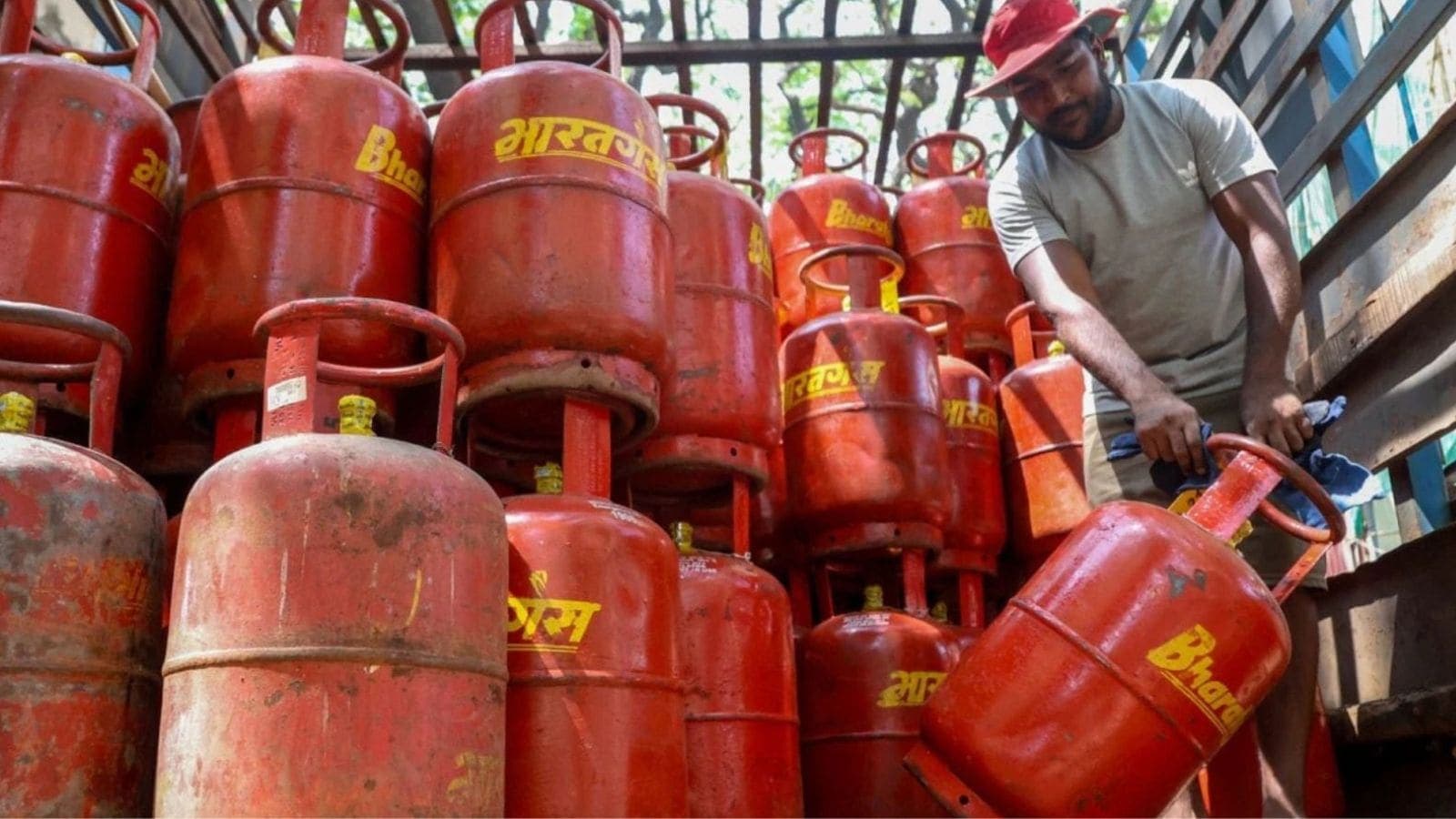
Commercial LPG prices have risen again, with increases of ₹42 in Delhi and ₹53.50 in Kolkata impacting businesses and consumers alike. Find out more.
Indian Express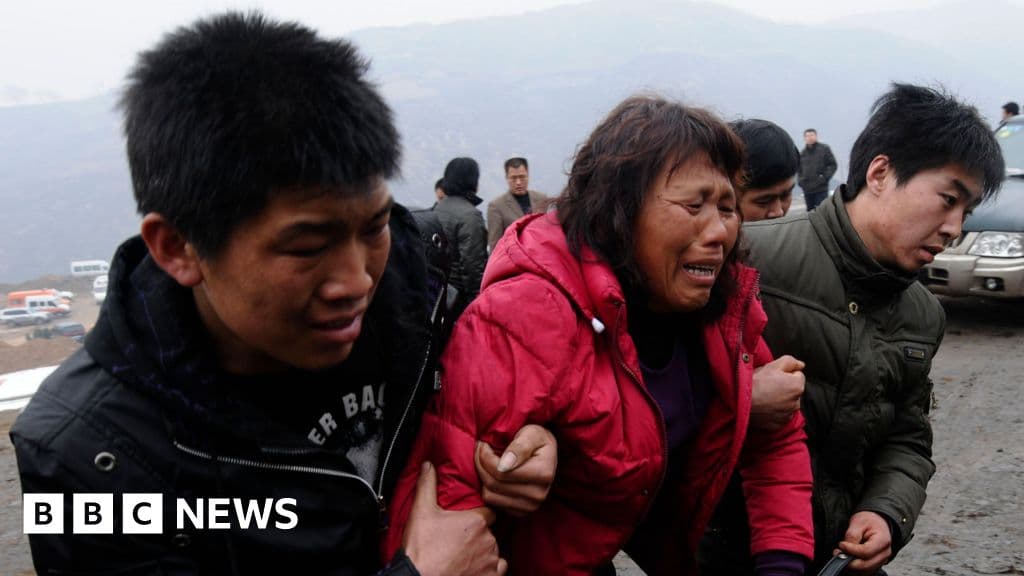
Discover how a tragic coal mine explosion in Shanxi, China, reveals ongoing safety concerns in the industry amidst a push for green energy.
BBC Business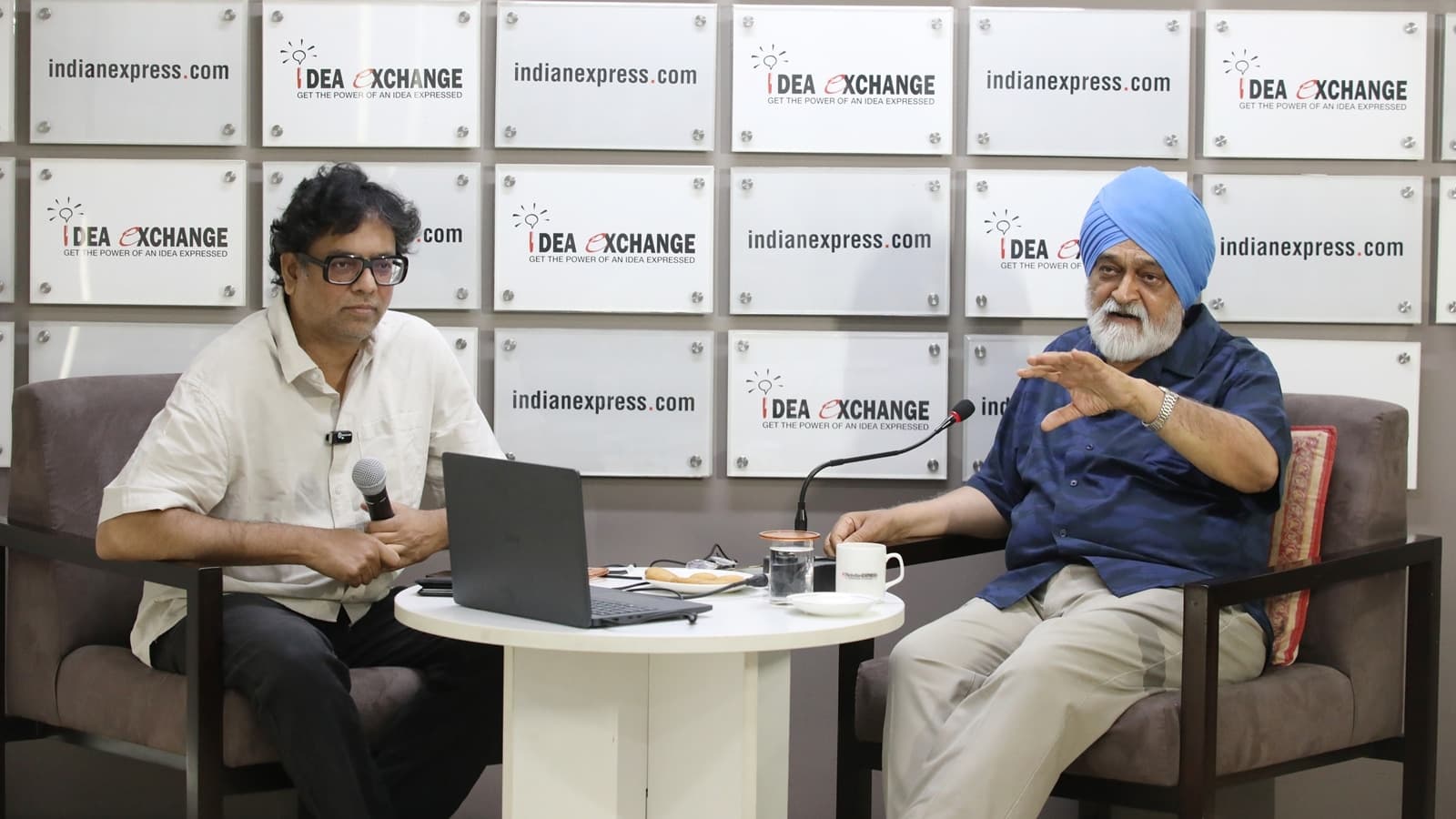
Montek Singh Ahluwalia highlights key economic challenges for India, emphasizing the need for a strategic approach to balance payments and investment.
Indian Express