
Image: Indian Express
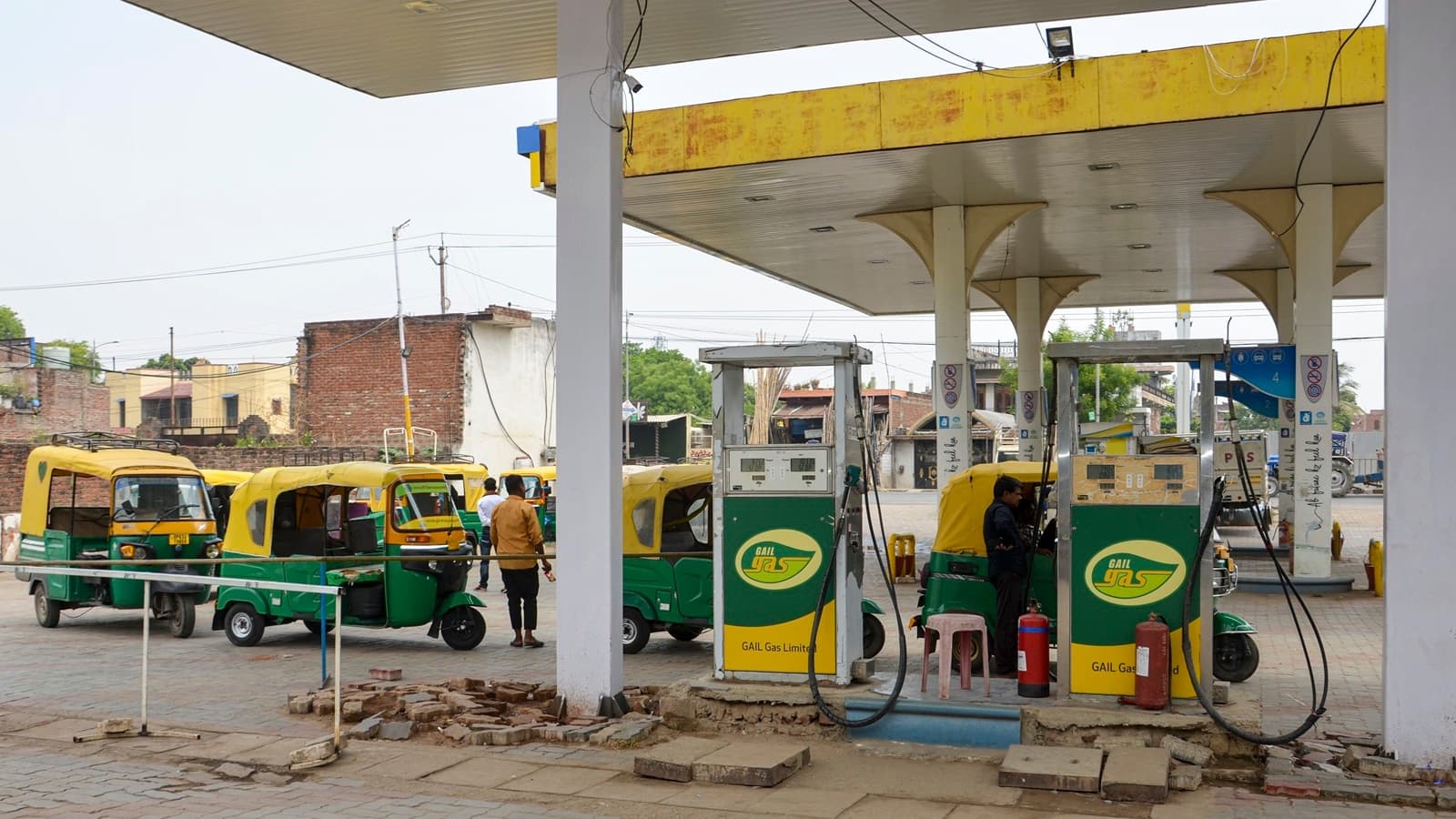
CNG prices in Delhi rise by ₹1/kg, marking the third hike in nine days. Find out what this means for consumers and the economy.
GlipzoIn a notable shift for consumers, Compressed Natural Gas (CNG) prices in Delhi have increased by ₹1 per kg, effective Saturday, May 23. This latest adjustment marks the third price hike in just nine days, following similar increases in petrol and diesel prices, which have been a source of concern for many in the region. The current retail price for CNG in Delhi now stands at ₹81.09 per kg, while residents of Noida and Ghaziabad will pay ₹89.70 per kg. This raises questions about the ongoing stability of fuel prices in an economy already grappling with inflation.
The recent surge in prices is attributed to escalating energy costs, primarily influenced by the current crisis in the Middle East. As global energy prices rise, state-owned oil companies are compelled to adjust domestic fuel prices to reflect these changes. Two previous hikes occurred on May 15 and May 18, with respective increases of ₹2 and ₹1.
In response to the escalating fuel prices, the Ministry of Petroleum and Natural Gas has stepped in to assure the public that India maintains a stable supply of petrol and diesel. The ministry urged citizens to refrain from panic buying, emphasizing that fuel should only be purchased as needed. A statement released on X confirmed:
> “India has adequate availability of petrol and diesel supplies across the country. Temporary pressure at some retail outlets is being addressed through continuous supply monitoring and coordinated distribution efforts by Oil Marketing Companies.”
This statement aims to calm public anxiety as many fear that rising prices might lead to shortages. The ministry highlighted that responsible consumption and public cooperation are critical for ensuring a steady supply during this period of heightened demand.
The ramifications of the latest CNG price hike extend beyond the fuel market. With a significant portion of public transport vehicles, including buses and auto-rickshaws, relying on CNG, operators are likely to pass on these increased costs to passengers through fare hikes. This could lead to a surge in transportation costs, further contributing to retail inflation and impacting daily commuters, especially in urban areas.
The backdrop of rising fuel prices is compounded by international events, particularly the closure of the Strait of Hormuz, a crucial shipping route for oil trade. This closure has disrupted global fuel supplies, further exacerbating price increases. As of Saturday morning, benchmark Brent crude was trading at $103 per barrel, while West Texas Intermediate (WTI) crude exceeded $96 per barrel. These rising crude prices make it increasingly difficult for domestic oil marketing companies to maintain their pricing structures without revisions.
As fuel prices continue to fluctuate, consumers and industry stakeholders are advised to remain vigilant. The trajectory of CNG and fuel prices will likely depend on various factors including: - Global Oil Market Trends: Monitoring crude oil prices and geopolitical developments. - Domestic Consumption Patterns: How public response to fare increases may influence demand. - Government Policies: Potential interventions or subsidies to stabilize prices.
With the ongoing turmoil in the Middle East and the resulting impact on global supply chains, consumers should prepare for continued volatility in fuel costs in the short term. The situation underscores the necessity for both consumers and policymakers to adapt to changing economic conditions, ensuring stability and accessibility in fuel availability.
Stay informed and engaged as we continue to monitor the developments in fuel pricing and its implications for public transport and consumer costs.
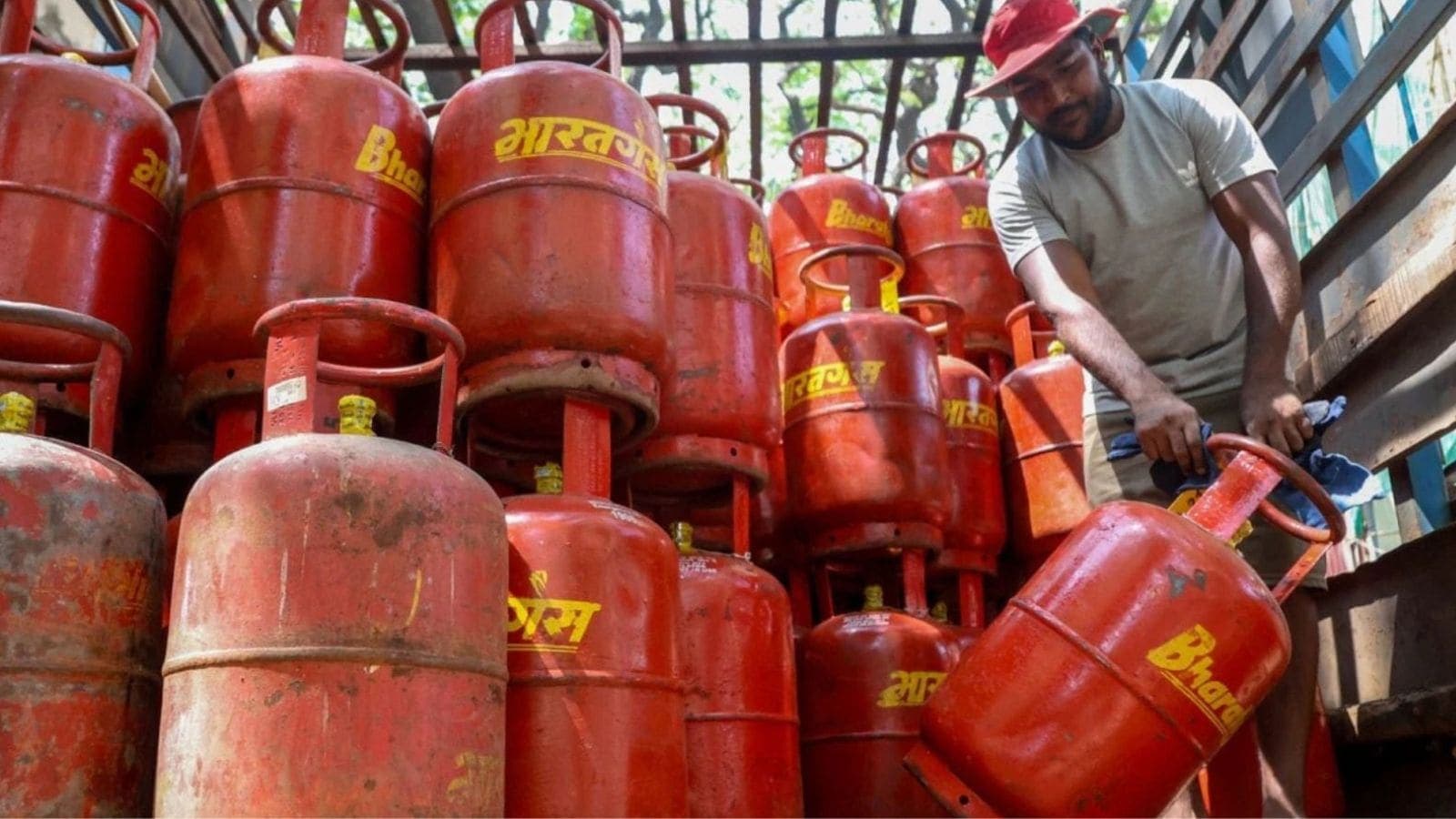
Commercial LPG prices have risen again, with increases of ₹42 in Delhi and ₹53.50 in Kolkata impacting businesses and consumers alike. Find out more.
Indian Express
Discover how a tragic coal mine explosion in Shanxi, China, reveals ongoing safety concerns in the industry amidst a push for green energy.
BBC Business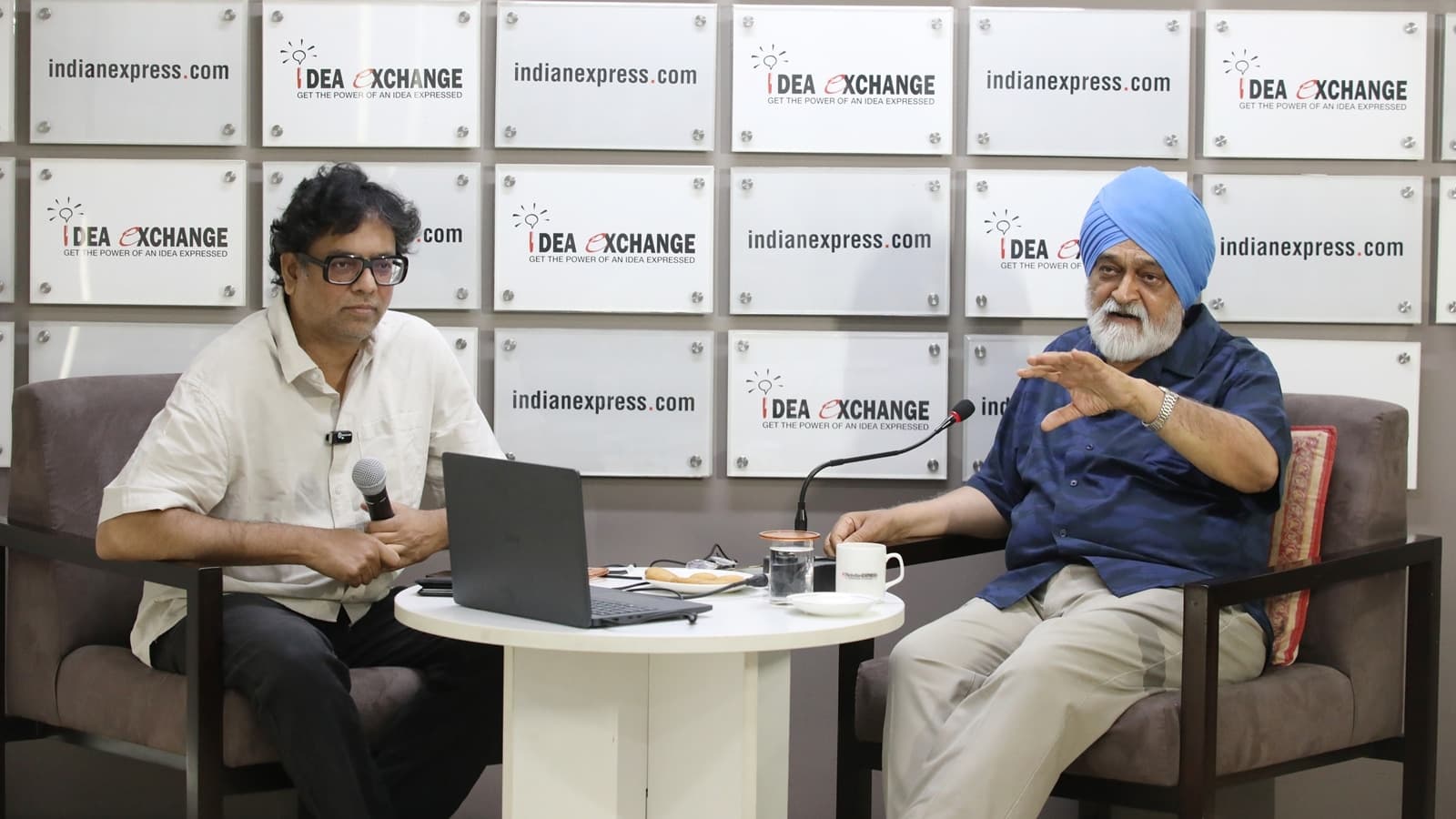
Montek Singh Ahluwalia highlights key economic challenges for India, emphasizing the need for a strategic approach to balance payments and investment.
Indian Express