

Image: Mint (Business)
Iran's missile strike on Qatar's Ras Laffan raises global energy concerns, potentially crippling LNG supplies to India and other South Asian nations.
GlipzoIn a shocking escalation of tensions, Iran launched a missile attack on Ras Laffan Industrial City in Qatar early on Thursday, March 19, 2026. This strategic facility is crucial to global energy supplies, housing the world's largest liquefied natural gas (LNG) export plant. As the conflict between Iran and the US intensifies, this incident sends ripples across international markets and raises alarms about energy security.
The attack, confirmed by Qatar Energy, targeted several LNG facilities within Ras Laffan, compounding the damage from a previous assault just a day earlier. The repercussions of these actions could be dire, particularly for countries like India, Pakistan, and Bangladesh, which rely heavily on Qatari LNG.
Ras Laffan Industrial City is not just an industrial hub; it is the backbone of Qatar's energy production. Spanning 295 square kilometers (about 114 square miles), it is home to the Pearl Gas-to-Liquids (GTL) plant and other vital facilities, including multiple LNG storage units and an oil refinery. The site is strategically located 80 kilometers north of Doha and features the largest artificial harbor globally, making it a key player in international energy trade.
The importance of Ras Laffan extends beyond Qatar. It accounts for approximately 20% of the world's LNG supply, making it a pivotal point in energy distribution. The recent attacks have raised fears of significant supply disruptions that could have a cascading effect on energy prices and availability worldwide.
The missile strikes on Ras Laffan were severe, with reports indicating that four missiles were launched, and a fifth struck successfully, leading to extensive damage and fires at several facilities. QatarEnergy reported that they were actively addressing the fires caused by the attacks, a critical response to prevent further escalation of damages. The extent of the destruction is expected to have immediate implications for LNG production and export capabilities.
Qatar's condemnation of the attack was swift, labeling it a "blatant violation of international law" and a serious risk to global energy security. As the situation unfolds, it has become increasingly clear that the world could face a significant energy crisis if the conflict between Iran and the US continues to escalate.
As the dust settles from the missile attacks, analysts are turning their attention to the potential fallout for South Asian countries heavily dependent on Qatari LNG. According to insights from S&P Global, India imports about 40% of its LNG from Qatar, a statistic that underscores the vulnerability of its energy supply chain.
With Kpler predicting an imminent supply shock, the region's power infrastructure could be severely tested in the coming weeks. The ramifications could extend further, affecting not only the economies of these nations but also global energy markets as a whole.
The attack on Ras Laffan is not just a localized incident; it is a significant event in the larger context of the ongoing US-Iran conflict. With geopolitical tensions running high, the risk of further escalations in the region could lead to more attacks on critical infrastructure, destabilizing energy supplies and affecting economies worldwide.
As industries brace for possible gas supply reductions, the situation calls for a close watch on future developments. The international community must consider diplomatic measures to alleviate tensions and protect vital energy infrastructure from further attacks.
In the wake of these attacks, stakeholders in the energy sector should prepare for potential volatility in LNG prices and availability. Businesses and governments alike must strategize on alternative energy sources and supply routes to mitigate risks.
With a significant portion of the world’s energy supply at stake, the world watches closely as the situation unfolds, hoping for stability in a volatile geopolitical landscape. The implications of this conflict extend far beyond the borders of the Middle East, touching economies and lives across continents. The coming weeks will be pivotal in determining how the energy crisis evolves and what solutions can be implemented to avert disaster.
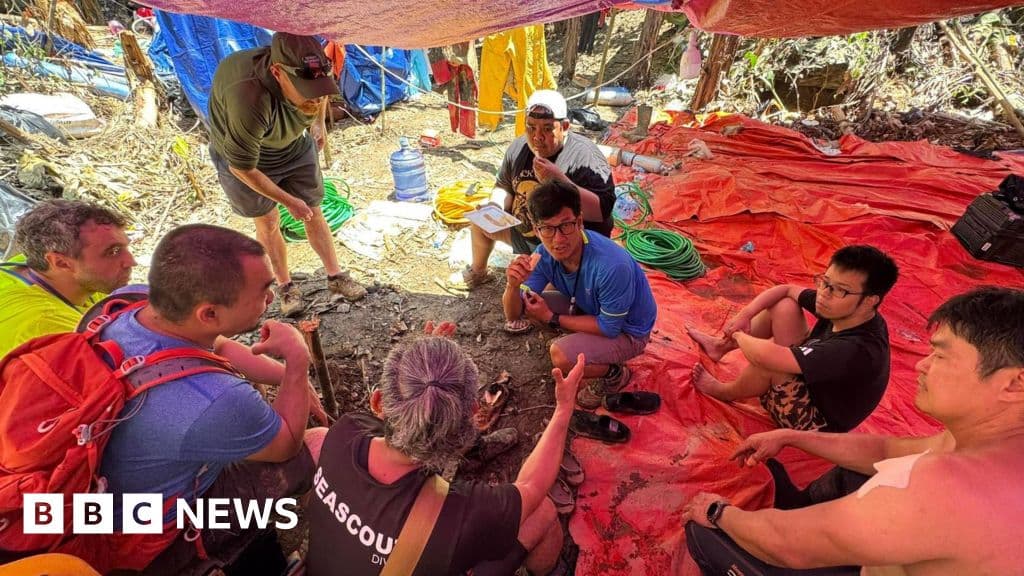
Survivors of the Laos cave rescue are aiding efforts to find the last two missing men trapped inside, sharing crucial insights for the search operation.
BBC World
A year after the tragic Air India crash, the Ali family reflects on grief, unanswered questions, and the enduring bonds of love in the face of loss.
BBC Business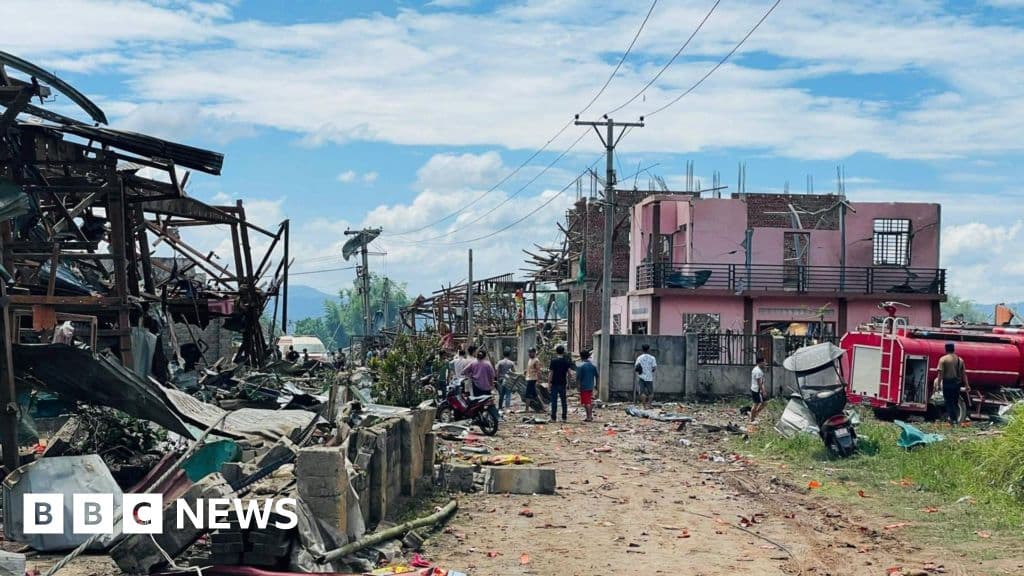
A devastating explosion in Myanmar's Kaung Tat village has killed at least 55 people, raising serious safety concerns and questions about civilian protection in conflict zones.
BBC World