

Image: The Hindu
Air India flight AI185 returned to Delhi after deploying the wrong aircraft for Vancouver. Investigation reveals critical operational lapses. What’s next?
GlipzoIn a startling incident, Air India’s flight AI185, bound for Vancouver, had to make an unexpected return to New Delhi on March 19, 2026, after being airborne for over seven hours. The Boeing 777-200 LR, which was not approved for the route, triggered alarms that led to the flight’s abrupt turnaround while it was still in Chinese airspace. The situation has raised serious questions about the airline's operational protocols and adherence to aviation regulations, sparking concern among passengers and industry experts alike.
Sources indicate that a failure to update the operational requirements for flights to Canada resulted in deploying an incorrect aircraft type for the journey. According to regulations, only the Boeing 777-300 ER was authorized for the flight, leaving the Boeing 777-200 LR ineligible for this particular service. This operational oversight has highlighted potential gaps in Air India’s operational procedures and communication regarding aircraft eligibility.
In a brief statement, Air India confirmed that the aircraft had landed safely back in Delhi, with all passengers and crew unharmed. The airline stated, "Air India flight AI185, operating from Delhi to Vancouver on 19 March, returned to Delhi due to an operational issue and in line with established standard operating procedures. The aircraft landed safely, and all passengers and crew had disembarked."
This incident underscores the critical nature of compliance with aviation regulations, especially for international flights. Each destination country has specific approvals and requirements that must be met, which vary significantly. Failing to adhere to these protocols can not only disrupt travel plans but can also pose risks to passenger safety and operational integrity.
For Air India, this incident raises significant concerns about the effectiveness of its internal checks and balances. As the airline works to maintain its reputation and ensure passenger confidence, it must address the lapse that led to this debacle. The return of the flight not only inconvenienced passengers but also called into question the reliability of Air India’s operational management.
In the aftermath of the incident, Air India resumed its service to Vancouver the following morning, on March 20, with the correct aircraft. This swift action aims to reassure passengers that despite the mishap, the airline is committed to providing safe and reliable travel options.
As this incident unfolds, the aviation industry will be closely monitoring Air India’s response and any potential systemic changes that may be implemented. The need for robust operational protocols in airlines is more critical than ever, especially as international travel becomes increasingly complex due to varying regulations across countries.
This incident serves as a vital reminder of the importance of rigorous compliance within the aviation sector. As Air India navigates the aftermath, the industry will be keenly aware of how it addresses these challenges moving forward. The focus will be on transparency and ensuring that all operational procedures are followed meticulously to enhance safety and reliability for travelers.
In conclusion, while Air India has taken steps to rectify the situation, the implications of this incident will likely resonate within the airline and the broader aviation landscape for some time. Stakeholders and travelers alike will be watching closely as the airline implements necessary changes to bolster its operational integrity.
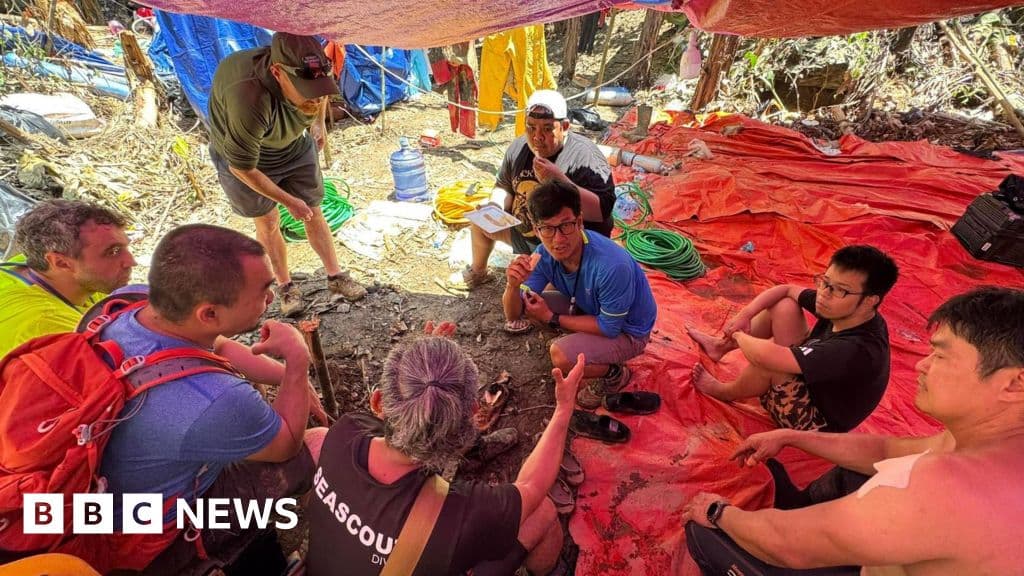
Survivors of the Laos cave rescue are aiding efforts to find the last two missing men trapped inside, sharing crucial insights for the search operation.
BBC World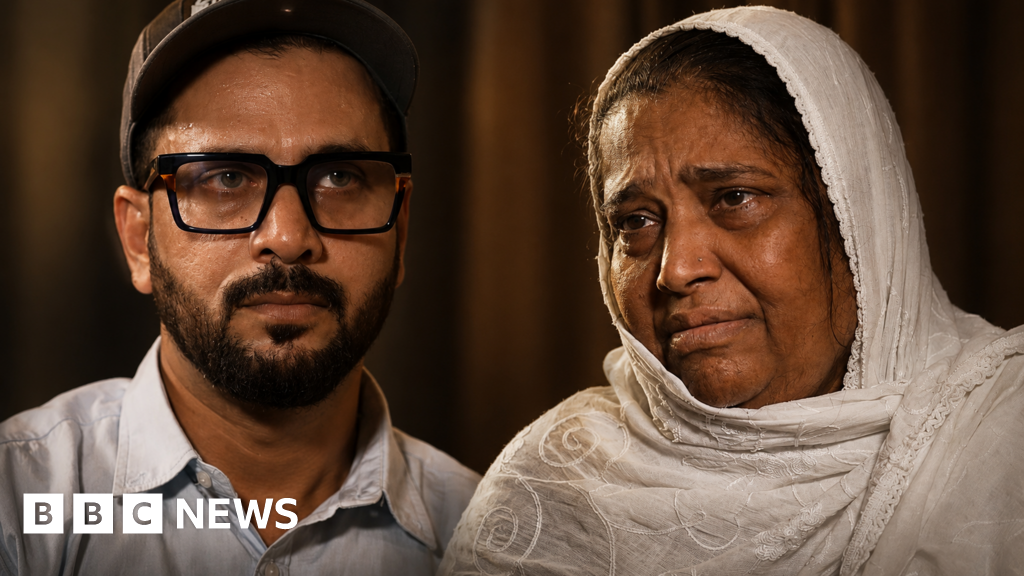
A year after the tragic Air India crash, the Ali family reflects on grief, unanswered questions, and the enduring bonds of love in the face of loss.
BBC Business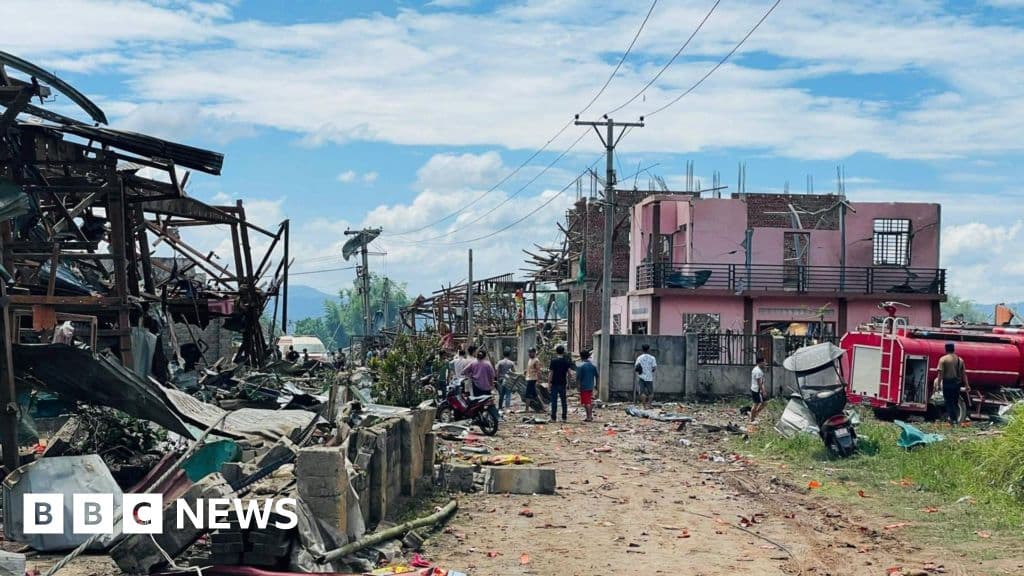
A devastating explosion in Myanmar's Kaung Tat village has killed at least 55 people, raising serious safety concerns and questions about civilian protection in conflict zones.
BBC World