
Image: BBC World
Nicolás Maduro's legal battle intensifies as U.S. prosecutors argue against funding from Venezuelan government. What’s at stake? Click to learn more!
GlipzoIn a gripping courtroom scene on Thursday, Nicolás Maduro, the former leader of Venezuela, found himself embroiled in a legal battle that could reshape his future. Alongside his wife, Cilia Flores, Maduro is attempting to secure funding for their defense against serious charges of narco-terrorism and other criminal allegations. The hearing took place in New York, following their dramatic capture by U.S. forces on January 3. The couple was brought to the United States under allegations of serious criminal activities, which they vehemently deny.
During the proceedings, the Maduros' attorneys argued for the dismissal of the case, stating that they are unable to access funds from the Venezuelan government due to ongoing U.S. sanctions. The defense claims that this financial blockade infringes upon their right to a fair trial, a sentiment echoed by Judge Alvin Hellerstein, who has indicated sympathy towards their plight. However, prosecutors countered that allowing the Maduros to utilize Venezuelan government funds would be unjust, given the accusations that they have “plundered” the nation’s wealth for personal gain.
The central issue at hand is whether Maduro and Flores can utilize government resources to finance their defense. The U.S. Office of Foreign Assets Control (OFAC) initially permitted the use of these funds but later revoked this license, forcing the couple into a precarious legal position. Prosecutors argued that the Maduros should not benefit from Venezuelan treasury funds, citing national security concerns and their alleged past actions against the Venezuelan populace.
Judge Hellerstein, however, highlighted the complexity of the case. He remarked on the unique circumstances of Maduro’s situation, suggesting that the defense’s arguments warrant careful consideration. According to his statements, “the right to defense is paramount,” indicating that the court acknowledges the possible need for adequate legal representation in light of the serious charges faced by the former president.
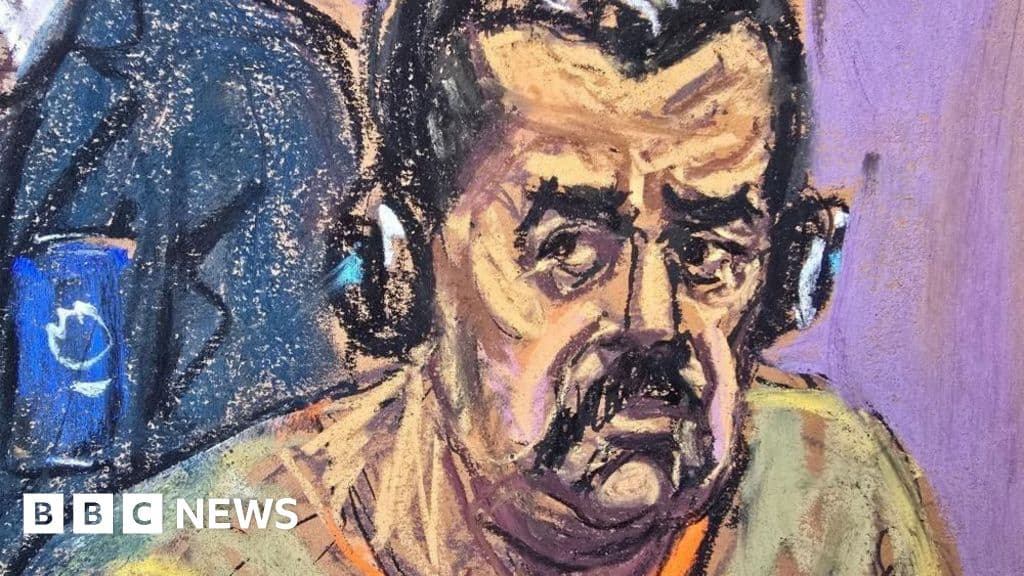
The courtroom atmosphere contrasted sharply with the Maduros' previous appearances, where Maduro had passionately proclaimed his innocence. This time, the couple sat quietly, donning green khaki prison jumpsuits, as they listened to the translation of legal arguments through headphones. The stark difference in demeanor underscores the gravity of their situation.
Interestingly, Judge Hellerstein pointed out that the geopolitical landscape has changed since their capture. He noted that “we are doing business with Venezuela,” implying that the new political dynamics could influence the case's proceedings. Following Maduro’s arrest, Venezuela appointed former Vice-President Delcy Rodríguez to lead the country, and diplomatic ties with the U.S. have reportedly resumed, further complicating the legal context.
As the court deliberates on the delicate balance between legal rights and national security, the Maduros remain in custody at Brooklyn’s Metropolitan Detention Center. They have yet to apply for bail, and a trial date remains undetermined. The outcome of these proceedings could set a precedent for how international legal cases involving foreign leaders are handled in U.S. courts.
The potential for additional charges against Maduro looms large, as President Donald Trump hinted at the possibility of pursuing more cases during a cabinet meeting. This ongoing saga captivates both Venezuelans and international observers alike, as they await the judge’s ruling on the legal funding issue and further developments in the case.
Ana Patricia, a retired lawyer from Caracas, expressed the sentiments of many when she stated, “Despite government censorship, everyone is trying to follow the process.” This reflects a broader desire for transparency and justice among Venezuelans who feel the weight of their country’s struggles.
As this dramatic legal battle unfolds, all eyes will be on the courtroom to see how the judge navigates these complex issues. The final ruling on whether Maduro and Flores can access legal funds could significantly impact their defense strategy and the overall trajectory of this high-profile case. With potential ramifications for U.S.-Venezuela relations and the future of governance in Venezuela, this is a story that continues to develop, promising to capture attention on both national and international stages.

Tensions soar as the US and Iran engage in air strikes near the Strait of Hormuz, raising concerns over global oil supply and regional stability.
BBC World
Trump's international interventions face serious stalemates. What will this mean for U.S. foreign policy? Explore the critical challenges ahead.
Indian Express
Tehran denies resignation of President Masoud Pezeshkian amid claims of IRGC influence. What does this mean for Iran's political stability? Click to learn more!
Indian Express